






What Should Pet Birds Eat? A Complete Guide to Bird Food

Many bird owners unknowingly feed diets that are too high in seeds and too low in essential nutrients. In fact, avian experts report that poor nutrition is one of the leading causes of health problems in pet birds, including feather plucking, obesity, and vitamin deficiencies. If you have ever wondered what should pet birds eat, the answer starts with balance, variety, and species-specific nutrition.
A healthy pet bird diet includes high-quality pellets, fresh vegetables, fruits, grains, and controlled seed portions. Proper nutrition supports stronger immunity, brighter feathers, better energy, and longer lifespan, especially in hot regions like Qatar where hydration is critical for parrots and companion birds.
- Pellets should make up most of the diet
- Fresh vegetables support vitamins and hydration
- Seeds should be limited, not the main food source
- Clean water must always be available
From cockatiels and budgies to African greys and macaws, every bird has different dietary needs. Choosing the right parrot food Qatar pet owners can trust helps prevent nutritional deficiencies and improves overall well-being.
World of Birds helps bird owners choose premium bird food, healthy treats, and balanced nutrition plans tailored to different species and Qatar’s climate. In this article, we’ll cover the best foods for pet birds, feeding schedules, unsafe foods to avoid, and expert bird nutrition tips to keep your feathered companion healthy and active.
What Should Pet Birds Eat for a Healthy Life?
A bird owner once shared with us, ‘My cockatiel eats seeds all day, so I thought that was enough. A few months later, the bird started losing feather quality and energy. This is actually very common. According to avian veterinarians, seed-only diets can lead to serious health problems like calcium deficiency, vitamin A deficiency, and even fatty liver disease in parrots and companion birds.
So, what should pet birds eat for a healthy life? The answer is a balanced bird diet that includes:
- High-quality pelleted bird food
- Fresh vegetables for birds
- Safe fruits for parrots
- Healthy seeds in moderation
- Clean water for proper bird hydration
A proper pet bird diet should contain around 60–70% pellets, 20–25% fresh vegetables, and smaller portions of fruits and seeds. Birds like cockatiels, budgies, African grey parrots, macaws, and lovebirds all benefit from balanced nutrition that supports immunity, feather growth, and healthy bird metabolism.
In Qatar’s hot climate, hydration-rich foods such as cucumber, leafy greens, carrots, apples, and watermelon can help birds stay active and healthy. At World of Birds, we often recommend combining premium parrot food Qatar bird owners trust with fresh foods to create a complete daily bird feeding routine.
Why Proper Bird Nutrition Matters
Good nutrition directly affects your bird’s lifespan, energy, feather condition, and immune system. Birds fed only sunflower seeds often miss essential nutrients and healthy fats like omega-3 fatty acids. Over time, poor feeding habits may lead to obesity, weak immunity, and dull feathers.
A healthy bird diet supports:
- Strong feathers and brighter colors
- Better digestion and bird metabolism
- Improved energy and mental stimulation
- Reduced risk of illness and nutritional deficiencies
This is why avian experts recommend balanced meals instead of seed-heavy diets.
Common Feeding Mistakes Bird Owners Make
Many beginners unknowingly make feeding mistakes that affect long-term bird health. Some of the most common issues include:
- Feeding only seeds every day
- Giving too much fruit with high sugar
- Ignoring fresh vegetables
- Using poor-quality or artificial treats
- Forgetting clean water replacement in hot weather
At World of Birds, we also see bird owners giving human snacks like chips or chocolate, which can be dangerous for parrots and conures. Following proper bird nutrition tips and using high-quality healthy bird food helps keep your bird active, social, and healthy for years.
Seeds vs Pellets: Which Bird Food Is Better?
One of the biggest questions bird owners ask is whether seeds or pellets are healthier. Years ago, many people believed seeds were the perfect food for parrots because birds naturally enjoy them. But avian veterinarians now warn that a seed-only diet can cause serious health issues over time.
Seeds are high in fat and low in important nutrients like calcium, vitamin A, and essential minerals. Birds that eat mostly seeds are more likely to develop obesity, weak immunity, feather problems, and even fatty liver disease. This is especially important in indoor birds like cockatiels, budgies, and African grey parrots that get less physical activity.
Pellets are designed to provide a more complete and balanced bird diet. High-quality pellets contain controlled amounts of protein, vitamins, minerals, and healthy fats that support strong feathers, healthy digestion, and better energy levels.
Many avian experts recommend a diet that includes:
- 60–70% pelleted bird food
- 20–25% fresh vegetables and fruits
- Limited healthy seeds and treats
At World of Birds, we usually suggest combining premium pellets with fresh foods for the best long-term results, especially in Qatar’s hot climate where proper bird hydration and nutrition are essential.
Benefits of Pelleted Bird Food
Pelleted bird food helps prevent selective eating because every bite contains balanced nutrients. Unlike seed mixes, birds cannot pick only their favorite ingredients. Pellets support healthy bird metabolism, feather quality, immune strength, and long-term wellness.
Benefits of pellets include:
- Better vitamin and mineral balance
- Reduced risk of obesity
- Improved feather condition
- Easier portion control
- Support for healthy digestion
Premium pellets are especially helpful for macaws, cockatoos, and parrots with sensitive nutritional needs.
When Seeds Should Be Included in a Pet Bird Diet
Seeds are not completely bad for birds. In moderation, they provide healthy fats, energy, and mental stimulation. The key is balance. Seeds should work as a supplement, not the main meal.
Seeds can be included:
- As training treats
- For active birds needing extra energy
- During molting seasons
- In small daily portions alongside pellets and vegetables
A healthy pet bird diet still requires fresh foods and quality pellets to avoid nutritional deficiencies.
What Different Pet Birds Should Eat?
Every bird species has unique nutritional needs. Feeding the same diet to all birds can lead to deficiencies or health problems over time. Here is a quick guide to help you match food choices to your bird’s species:
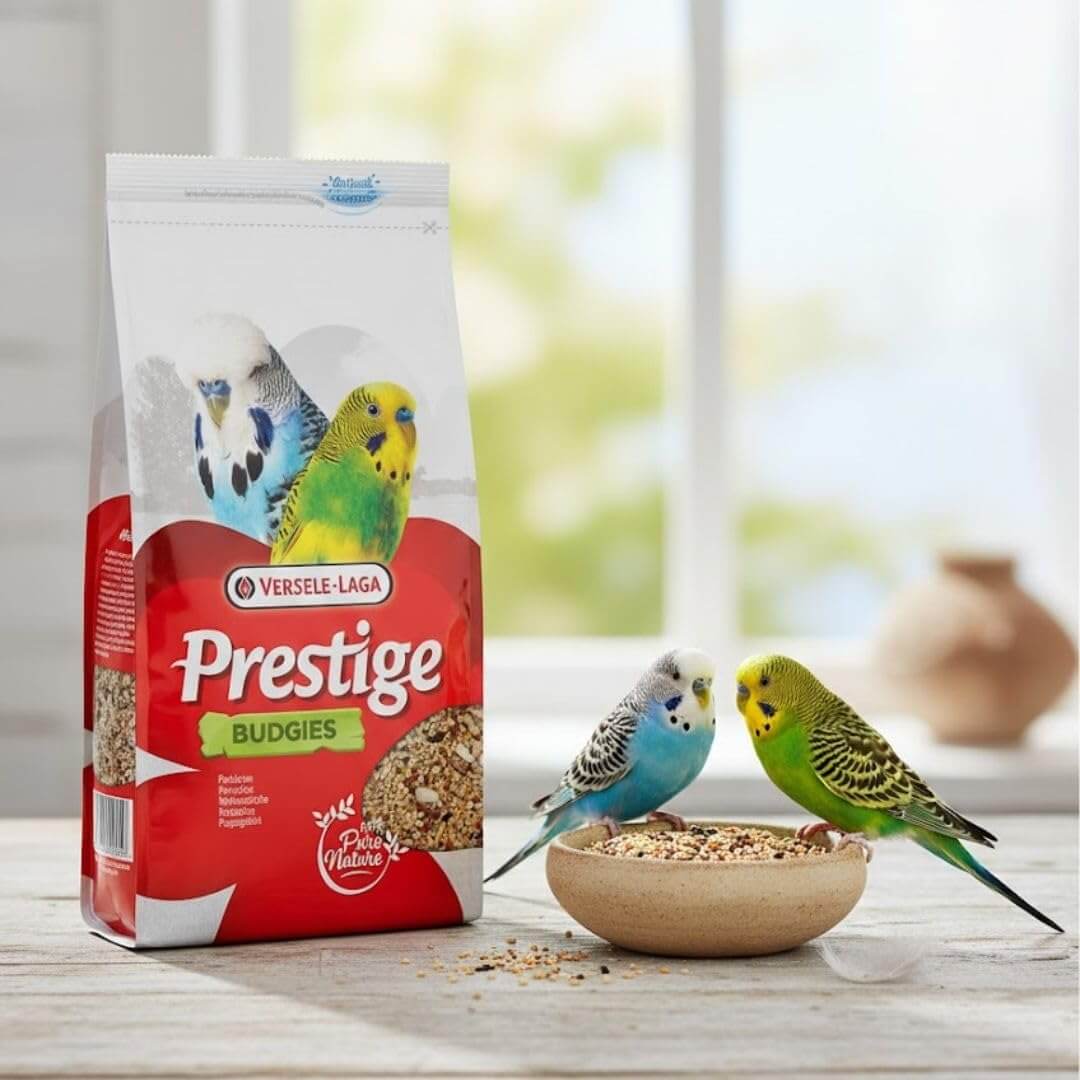
Budgies and Cockatiels: These small birds do well on high-quality pellets as their main food source, combined with leafy greens like spinach and kale, grated carrots, apple slices, and limited millet as an occasional treat.
African Grey Parrots: African greys need calcium-rich foods to support brain and bone health. A good diet includes pellets, dark leafy greens, cooked legumes, moderate portions of nuts, and occasional egg food for added protein.
Macaws: Macaws are larger birds with higher energy needs. They benefit from specially formulated high-nutrient pellets, a variety of tropical fruits, mixed vegetables, and moderate amounts of nuts like almonds and walnuts.
Lovebirds and Conures: These active birds thrive on pellets, fresh bell peppers, berries, sprouts, and leafy greens. Their diet should stay low in fat and high in fresh produce for best energy and feather condition.
Always transition birds to new foods gradually to avoid digestive upset or food rejection.
Daily Feeding Schedule for Different Pet Birds
Many bird owners are surprised to learn that feeding timing matters almost as much as food quality. Birds have fast metabolisms and need regular meals throughout the day to stay active and healthy. A proper feeding schedule also prevents overeating and nutrient imbalance.
Most pet birds should receive fresh food twice daily:
- Morning: pellets, vegetables, and fresh water
- Evening: smaller portions of seeds or healthy treats
A healthy daily bird feeding routine should include:
- Fresh clean water at all times
- Controlled seed portions
- Daily vegetables
- Quality pellets as the main food source
At World of Birds, we recommend removing uneaten fresh food after a few hours in Qatar’s warm weather to prevent bacterial growth and spoilage.
Hydration and Bird Nutrition Tips for Qatar’s Climate
Qatar’s high temperatures can increase dehydration risks for pet birds, especially during summer. Birds lose moisture quickly through breathing and daily activity, making hydration a critical part of bird care.
Fresh fruits, vegetables, and clean water help support proper bird hydration and healthy digestion. In hot weather, food can spoil faster, so fresh items should never stay in cages for long periods.
Important hydration tips include:
- Replace drinking water at least twice daily
- Serve moisture-rich foods
- Keep cages away from direct sunlight
- Remove spoiled fruits quickly
At World of Birds, we often advise bird owners to monitor water intake closely during hotter months because dehydration can quickly affect energy and feather quality.
How to Store Bird Food Safely in Hot Weather
Heat and humidity can spoil bird food quickly, especially seeds and fresh produce. Store dry food in airtight containers away from sunlight and moisture.
Important storage tips:
- Refrigerate cut fruits and vegetables
- Avoid leaving fresh food in cages for more than 2–3 hours
- Keep pellets sealed tightly
- Check seeds regularly for mold or unusual smell
Proper storage helps maintain nutrition quality and protects birds from harmful bacteria.
Best Parrot Food Qatar Bird Owners Should Choose
Choosing the right bird food can directly affect your parrot’s lifespan, feather condition, and energy levels. Many bird owners in Qatar ask us why some parrots stay active and colorful while others develop dull feathers or low energy. In many cases, nutrition is the difference.
The best parrot food Qatar bird owners should choose contains balanced protein, calcium, vitamins, and healthy fats like omega-3 fatty acids. High-quality pellets combined with fresh vegetables and fruits help support immunity, healthy bird metabolism, and strong feathers.
When shopping for healthy bird food, look for:
- Natural ingredients with no artificial colors
- Balanced vitamin and mineral support
- Calcium for bone and feather health
- Protein for muscle maintenance
- Omega-3 support for skin and feather quality
At World of Birds, we also recommend nutritious protein treats like SISO Mealworm Food for parrots, cockatiels, lovebirds, and other active birds. Mealworms are a natural protein source that can help support feather growth, energy levels, and healthy bird metabolism when offered in moderation as part of a balanced diet.
Popular options available include:
These treats are especially useful during molting seasons or for birds needing extra nutritional support. Premium bird food is particularly important for species like African grey parrots, cockatoos, and macaws that have more complex dietary requirements.
Premium vs Cheap Bird Food: What Changes?
Cheap bird food often contains excessive fillers, poor-quality seeds, artificial coloring, and low nutritional value. Birds may eat it happily but still develop nutrient deficiencies over time.
Premium bird food provides:
- Better nutrient balance
- Cleaner ingredients
- Improved feather quality
- Stronger immunity
- Better digestion and energy
Higher-quality food may cost more initially, but it often reduces long-term health problems and veterinary expenses. Combining quality pellets with nutritious supplements and treats like SISO Mealworm Food can help maintain a healthier and more active bird over time.
Bird Nutrition Tips for Better Health and Longer Lifespan
A balanced diet does much more than prevent hunger. Proper nutrition helps birds maintain healthy feathers, strong immunity, stable energy, and mental stimulation. Birds that receive proper nutrients are often more active, social, and emotionally balanced.
Important bird nutrition tips include:
- Rotate vegetables regularly
- Limit fatty seeds
- Offer fresh clean water daily
- Use pellets as the primary food source
- Add healthy enrichment foods occasionally
Birds like conures, cockatiels, and lovebirds also benefit from feeding activities that encourage natural foraging behavior. Good nutrition combined with enrichment helps reduce boredom and stress-related behaviors.
At World of Birds, we often remind owners that healthy birds usually show the results through brighter feathers, better mood, and stronger activity levels.
Where to Buy Quality Bird Food in Qatar
Buying quality bird food is one of the most important parts of keeping parrots and companion birds healthy. In Qatar, bird owners can choose from local pet shops, specialty bird stores, and online platforms offering pellets, seeds, treats, and supplements for different bird species.
Local stores allow you to check freshness, ingredient quality, and product variety directly. Online shopping is also becoming popular because it offers:
- Home delivery convenience
- Access to premium imported brands
- Better stock availability
- Easy product comparison and repeat ordering
Choosing trusted suppliers matters because low-quality food may contain artificial additives, poor seed mixes, or expired ingredients. At World of Birds, we always recommend selecting premium parrot food Qatar bird owners can trust for balanced nutrition and long-term health support.
Why Bird Owners Choose World of Birds
At World of Birds, we provide carefully selected bird food, pellets, healthy treats, and nutrition support for species like cockatiels, budgies, African greys, macaws, and lovebirds. Our team helps bird owners choose the right food based on age, activity level, and dietary needs.
Bird owners choose us for:
- Premium bird food brands
- Expert feeding guidance
- Fresh product availability
- Convenient shopping experience
- Personalized bird nutrition support
We focus on helping birds stay healthy, active, and properly nourished in Qatar’s climate.
Final Thoughts on Building a Healthy Pet Bird Diet
A healthy bird starts with a balanced diet. Proper nutrition supports feather quality, immunity, digestion, hydration, and long-term energy levels for birds like cockatiels, budgies, parrots, macaws, and African greys. Feeding only seeds may seem simple, but birds need pellets, vegetables, fruits, and clean water to stay truly healthy.
Creating a consistent feeding routine and choosing high-quality bird food can prevent many common health problems and improve your bird’s overall well-being. Small changes in diet often lead to noticeable improvements in energy, mood, and feather condition.
At World of Birds, we help bird owners choose premium bird food, healthy treats, and personalized nutrition solutions suited for Qatar’s climate and different bird species. Visit us today for expert guidance and quality products that support a healthier, happier bird.
FAQs About Pet Bird Diet and Nutrition
Question: Can Birds Eat Rice or Bread?
Yes, birds can eat small amounts of cooked plain rice (preferably brown rice) occasionally. Raw rice is not harmful but cooked rice is easier to digest. Bread should only be offered very rarely as it has minimal nutritional value and often contains excess salt or sugar.
Question: How Often Should I Feed My Bird?
Most pet birds should receive fresh food twice daily with clean water always available. Pellets, vegetables, and healthy treats should be balanced based on species and activity level.
Question: Is Fruit Enough for Pet Birds?
No, fruit alone does not provide complete nutrition. Birds also need pellets, vegetables, protein, minerals, and healthy fats for a balanced diet.
Question: What Foods Are Toxic to Parrots?
Dangerous foods include chocolate, avocado, caffeine, alcohol, onion, garlic, apple seeds, and heavily salted snacks. These can seriously harm parrots and companion birds.
Question: Do Birds Need Supplements?
Some birds may require supplements if they have nutritional deficiencies or special health needs. However, birds eating high-quality pellets and fresh foods often receive enough nutrients naturally.

3 thoughts on “What Should Pet Birds Eat? A Complete Guide to Bird Food”