







Lovebird Care in Qatar: Cage, Food, Lifespan & Daily Care

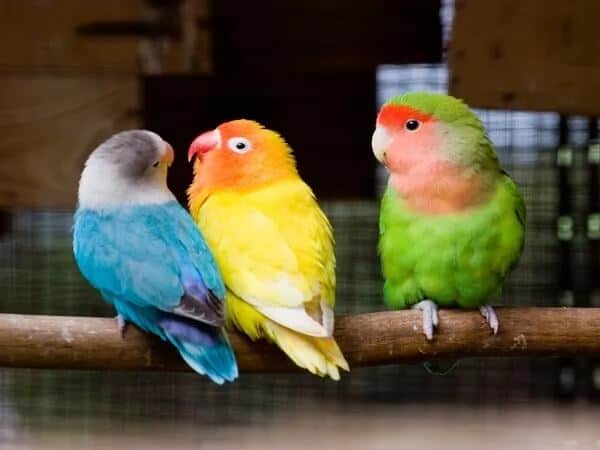
Lovebird care in Qatar requires a suitable cage, balanced nutrition, fresh water, daily interaction and protection from heat and household fumes. Proper care can help these active small parrots remain healthy and engaged throughout their lives. PetMD lists an average lovebird lifespan of 15+ years with proper care.
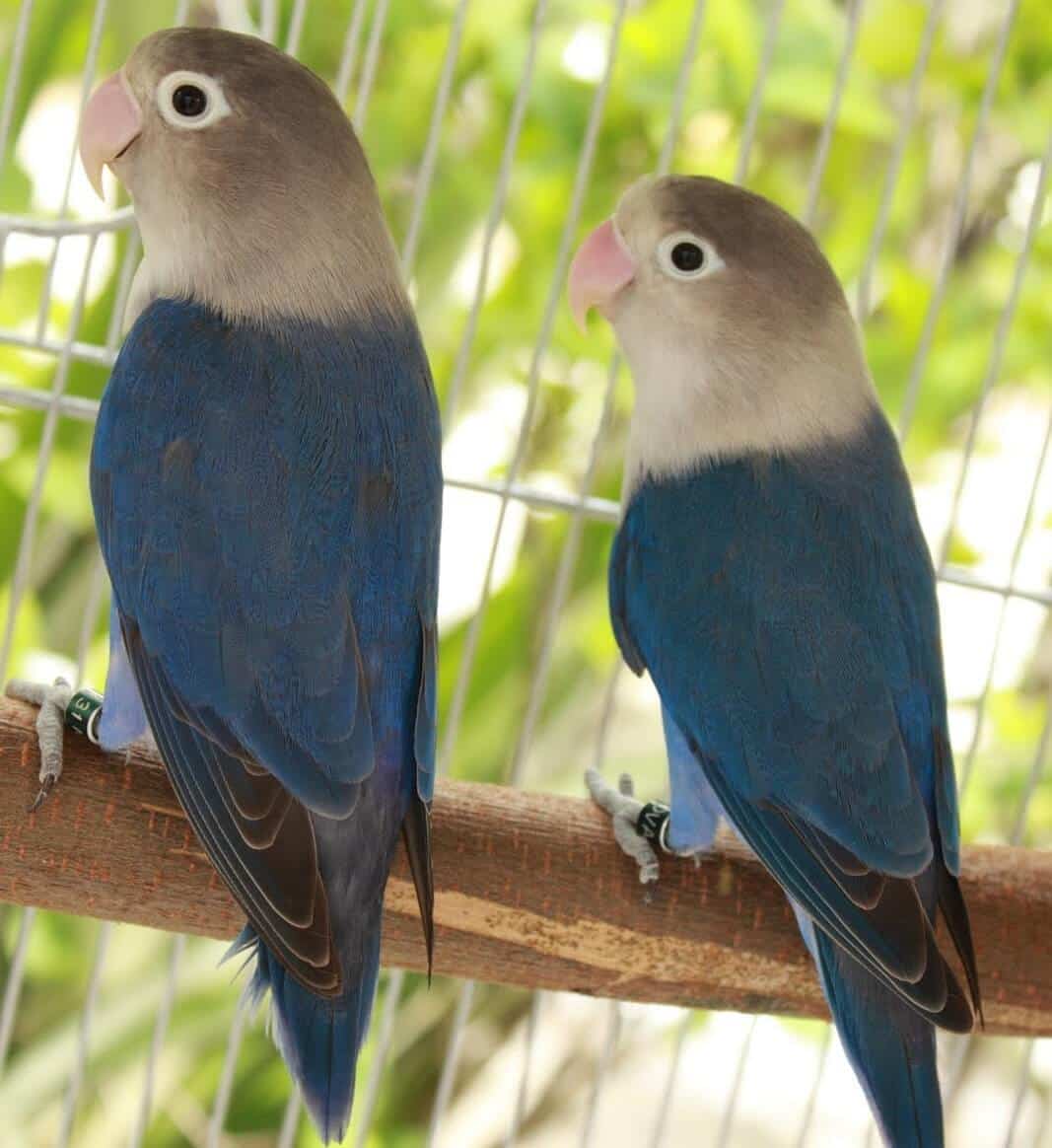
At World of Birds in Souq Al Ali, Doha, we keep Fischer and Rosy-Faced Lovebirds alongside bird food, cages and care supplies. Our current live-bird range includes Blue Fischer Lovebirds, Green Fischer Lovebirds and Rosy-Faced Lovebirds, although individual availability can change.
This guide explains lovebird care, including cage setup, food, water, Qatar’s indoor climate, sleep, enrichment, cleaning and signs that need veterinary attention.
Quick answer: Good lovebird care means providing enough cage space, a balanced diet, clean water, safe perches, enrichment, daily social interaction and a stable indoor environment. Lovebirds also need protection from kitchen fumes, direct heat and strong temperature changes.
Key Takeaways
- Lovebirds are active and social small parrots.
- A spacious, secure cage is essential for daily movement.
- Pelleted food should form the main part of a balanced diet.
- Seeds should not become the only food source.
- Fresh vegetables can provide variety and important nutrients.
- Clean drinking water should be available every day.
- Lovebirds need toys, perches and regular interaction.
- Qatar homes require careful cage placement around air conditioning and heat.
- Daily cleaning helps maintain good cage hygiene.
- Veterinary checks are important because birds can hide early illness.
Are Lovebirds Good Pets?
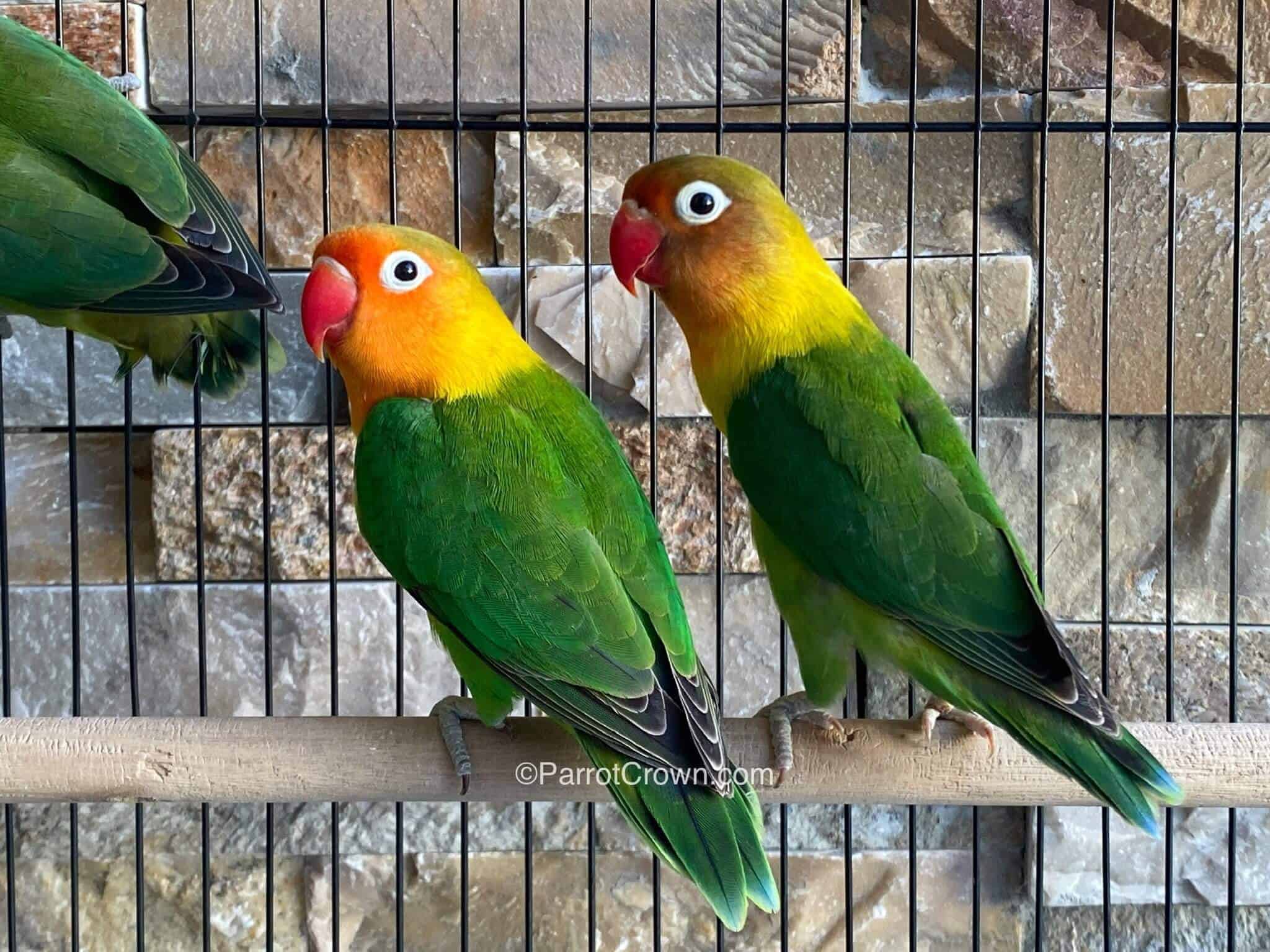
Lovebirds can make engaging companion birds for owners who can provide daily interaction, enrichment and consistent care. They are active, social and intelligent, so their small size should not be mistaken for low maintenance. PetMD describes lovebirds as intermediate-care pets that need daily interaction and stimulation.
Lovebirds communicate through chirping and other vocalisations. They also enjoy climbing, chewing, exploring and interacting with their surroundings.
At World of Birds, our Pet Birds in Qatar guide explains how lovebirds compare with budgies, cockatiels and finches for different households.
Single Lovebird or Pair?
A single lovebird can form a strong relationship with its owner. However, it needs regular human interaction and enrichment.
A bonded pair can provide social companionship, but the birds may focus more attention on each other.
Your choice should therefore depend on your available time, cage space and expectations.
What Cage Does a Lovebird Need?
A lovebird needs a secure cage with enough space to stretch its wings, move between perches and interact with enrichment. PetMD gives 18 × 18 × 24 inches as a minimum habitat size for one lovebird and recommends more space for a pair.
Choose a cage based on usable space rather than appearance alone.
The cage should have:
- Safe bar spacing
- Strong construction
- Secure doors
- Multiple suitable perches
- Separate food and water areas
- Enough room for toys
- A removable or easy-clean base
Cage Placement
Place the cage in a bright, calm area where normal household activity occurs. Avoid kitchens because smoke and cooking fumes can harm birds.
Keep the cage away from direct air-conditioning airflow, strong drafts and direct heat.
Our Bird Cage Qatar guide covers cage dimensions, bar spacing, placement and cleaning in more detail.
Cage Options at World of Birds
Our current Bird Cages & Accessories range includes several cage options. For example, Birds Cage Round Golden is listed for lovebirds and similar small birds.
Always check usable space and bar spacing before selecting a cage for your individual bird.
What Should Lovebirds Eat?
A balanced lovebird diet should contain formulated food as its main component, with suitable fresh vegetables, limited fruit and controlled treats. Vca recommends pelleted food as the primary diet and warns that seed-only diets can be nutritionally incomplete.
A practical feeding structure can include:
| Food type | Role |
| Formulated pellets | Main balanced food |
| Quality seed mix | Limited part of the diet |
| Vegetables | Fresh nutritional variety |
| Fruit | Small, limited portions |
| Treats | Occasional reward |
| Fresh water | Available every day |
The exact amount should follow the food manufacturer’s guidance. An avian veterinarian can also provide individual dietary advice.
For owners looking for seed-based options, World of Birds also stocks Jana Parakeet Love Birds Mix Food, a natural seed mixture made for parakeets and lovebirds. Jana Parakeet Love Birds Mix Food. It can be included as part of a varied feeding routine rather than used as the bird’s only food.
Can Lovebirds Eat Only Seeds?
No, a seed-only diet is not considered nutritionally complete for lovebirds. VCA explains that commercial seed mixes can be high in fat and limited in important nutrients when used as the sole food source.
Lovebirds may selectively eat favourite seeds.
This can make an apparently full bowl nutritionally unbalanced. A gradual transition to formulated food is usually more appropriate than suddenly removing familiar foods.
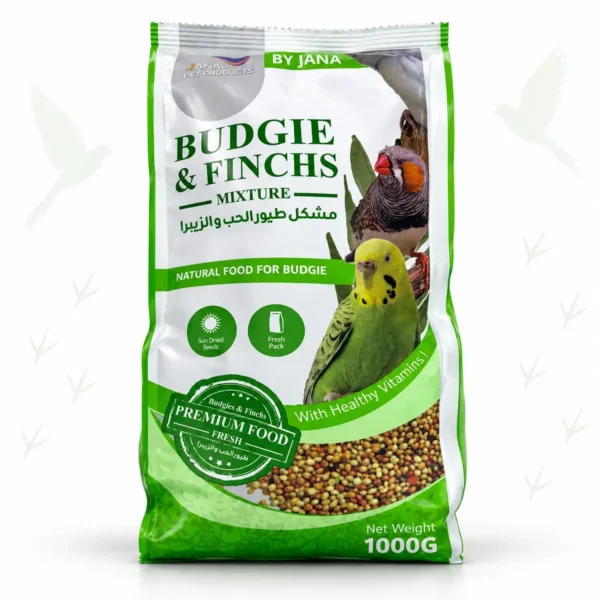
For households keeping budgies or finches alongside lovebirds, Jana Budgie Finch Mix Bird Food is another seed-mix option available from World of Birds. Jana Budgie Finch Mix Bird Food For additional feeding information, see our Bird Food & Treats Qatar range.
What Vegetables and Fruits Can Lovebirds Eat?
Lovebirds can eat suitable fresh vegetables and small amounts of bird-safe fruit as part of a balanced diet. PetMD lists foods such as broccoli, bell peppers, sweet potatoes, melons and papaya among suitable options.
Fresh foods should be:
- Washed thoroughly
- Cut into small pieces
- Served in a clean dish
- Removed before spoilage
- Offered alongside the normal diet
VCA recommends removing fresh fruits and vegetables after a limited period, especially in warm conditions.
Foods to Avoid
Never give lovebirds:
- Avocado
- Chocolate
- Caffeine
- Alcohol
- Onion
- Garlic
- Fruit pits
- Fruit seeds
- Salty processed foods
These foods can cause serious health problems. If your lovebird eats a potentially toxic food, contact an avian veterinarian promptly.
How Much Water Does a Lovebird Need?
Lovebirds should have continuous access to fresh, clean drinking water. Water bowls should be cleaned regularly because food particles, droppings and debris can contaminate drinking water.
Change the water every day. In warm indoor conditions, check the bowl more frequently.
Keep water away from perches where droppings can fall directly into it.
Should Lovebirds Have Grit?
Lovebirds do not need insoluble grit to digest seeds because they remove the seed hull before consuming the kernel. VCA advises against offering grit to lovebirds because excessive consumption can create gastrointestinal problems.
This is an important difference between lovebirds and some other bird species. Do not add grit simply because the bird eats seeds.
How Much Daily Interaction Do Lovebirds Need?
Lovebirds need regular social interaction and mental stimulation every day. PetMD recommends daily interaction and playtime because insufficient stimulation can contribute to unwanted behaviours such as feather plucking.
Give your lovebird opportunities to:
- Climb
- Chew safe toys
- Explore
- Forage
- Interact with you
- Exercise outside the cage safely
Toys and Enrichment
Rotate toys regularly. Use safe materials that cannot easily break into dangerous pieces.
Foraging activities can make the bird work for small food portions.
This provides both physical activity and mental stimulation.
How Much Sleep Does a Lovebird Need?
Lovebirds need a consistent period of quiet, uninterrupted sleep each night. VCA and avian-care guidance generally recommends around 10–12 hours of darkness and rest for pet birds.
Keep the cage in a location where nighttime activity is limited.
Avoid leaving bright lights on throughout the night. A predictable sleep routine can also help reduce unnecessary disturbance and hormonal behaviour.
Qatar Air Conditioning
Air conditioning is common in Doha homes. However, the cage should not sit directly under an AC vent. Sudden cold airflow can create an uncomfortable environment.
Choose a stable indoor position away from direct airflow.
How Do You Clean a Lovebird Cage?
Lovebird cage cleaning should include daily spot cleaning, fresh water and food-bowl hygiene, with deeper cage cleaning performed regularly. PetMD recommends daily removal of soiled material and discarded food, while cage liners and substrate should be replaced at least weekly.
Daily Cleaning
Check every day for:
- Dirty water
- Leftover fresh food
- Droppings
- Wet cage material
- Damaged toys
- Dirty food bowls
Wash food and water dishes regularly.
Weekly Cleaning
Replace cage liners or suitable substrate. Clean the cage base and removable components.
Use bird-safe cleaning methods and rinse surfaces thoroughly. Birds have sensitive respiratory systems, so avoid exposing them to strong fumes.
Our Bird Cage Qatar guide also covers routine cage maintenance.
How Long Do Lovebirds Live?
Lovebirds can live around 10–15 years, with some sources reporting 15 years or more when they receive appropriate care. PetMD lists an average lifespan of 15+ years with proper care, while VCA gives an average of 10–15 years and notes that some can reach around 20 years. Lifespan depends on several factors.
These include:
- Nutrition
- Genetics
- Housing
- Exercise
- Hygiene
- Veterinary care
- Environmental safety
Good lovebird care therefore needs to remain consistent throughout the bird’s life.
What Are Signs of a Sick Lovebird?
Signs of illness can include reduced appetite, unusual inactivity, breathing difficulty, changes in droppings, abnormal feather condition and behavioural changes. Birds can hide illness, so noticeable changes should be taken seriously. VCA recommends regular veterinary care and preventive health assessments for pet birds.
Contact an avian veterinarian if you notice:
- Difficulty breathing
- Persistent weakness
- Sudden appetite loss
- Major weight change
- Abnormal droppings
- Persistent sitting at the cage bottom
- Feather-plucking
- Balance problems
- Unusual discharge
Do not rely on home treatment for serious symptoms. A qualified avian veterinarian can assess the bird and recommend appropriate care.
Lovebird Care in Qatar: Daily Routine
A simple daily routine makes lovebird care in Qatar easier to manage and helps owners notice changes early. The routine should cover food, water, cage hygiene, interaction and environmental checks.
Morning
- Replace drinking water.
- Provide the daily food portion.
- Remove spoiled fresh food.
- Check droppings and activity.
- Inspect the cage for damage.
During the Day
Provide safe interaction and enrichment. Offer suitable fresh vegetables according to the bird’s diet.
Check that the cage remains comfortable and away from direct AC airflow.
Evening
Remove leftover fresh foods. Check food and water again. Allow the bird to settle before its normal sleep period.
This routine takes only a few minutes but creates useful daily observations.
Where to Find Lovebirds in Qatar
World of Birds in Souq Al Ali, Doha, currently lists Fischer Lovebirds and Rosy-Faced Lovebirds in its live-bird range. Individual bird availability, colour, sex, size and condition can vary.
Our current listings include:
Our live-bird policy recommends visiting the store when you want to select an individual bird. Actual birds can differ in colour shade, size, feather condition, behaviour and sex.
Photos or videos of available birds can also be shared before delivery, subject to the applicable live-bird terms.
Frequently Asked Questions
Are lovebirds easy to take care of?
Lovebirds are manageable pets when owners provide proper housing, nutrition, enrichment and daily interaction. They are active social parrots and need more than food and water. Their cage, diet, toys, hygiene and environmental safety all require regular attention.
What should lovebirds eat daily?
Lovebirds should receive a balanced diet based mainly on appropriately formulated food, supported by suitable vegetables and limited fruit or treats. Seed should not become the sole food source because seed-only diets can lack important nutrients. Fresh water should always be available.
How long do lovebirds live?
Lovebirds commonly live around 10–15 years, while some may live 15 years or longer with appropriate care. VCA reports a maximum of around 20 years, although lifespan varies between individual birds. Nutrition, housing, genetics and veterinary care all influence longevity.
Can lovebirds live alone?
Yes, a single lovebird can live as a companion bird when it receives substantial daily interaction and enrichment. A pair can provide social companionship, but bonded birds may focus more attention on each other. The appropriate choice depends on the owner’s available time and expectations.
How big should a lovebird cage be?
A single lovebird should have a habitat of at least 18 × 18 × 24 inches, according to PetMD. A pair needs more space, and the cage should allow comfortable movement after perches, bowls and toys are installed. Bar spacing must also be appropriate.
Can lovebirds eat only seeds?
No, seed-only feeding is not considered a balanced long-term diet for lovebirds. Seeds can be part of the diet, but formulated food and suitable fresh foods provide broader nutritional coverage. VCA recommends a primarily pelleted diet for lovebirds.
How many hours should a lovebird sleep?
Lovebirds generally need around 10–12 hours of quiet, dark sleep each night. A consistent sleep schedule helps provide adequate rest. The cage should be positioned away from late-night household activity and direct air-conditioning airflow.
Lovebird Care in Qatar: Final Answer
Good lovebird care in Qatar starts with five essentials: suitable housing, balanced nutrition, clean water, daily enrichment and a stable indoor environment. Lovebirds are social and active parrots, so their daily needs extend beyond feeding and cage cleaning.
At World of Birds in Souq Al Ali, Doha, we currently keep Fischer and Rosy-Faced Lovebirds alongside bird food and cage-care supplies. Browse our Live Birds in Qatar range and check current availability before visiting.
Visit World of Birds in Souq Al Ali, Doha or contact our team about available lovebirds, cages and bird-care supplies.
