







Balloon Molly and Platy Fish Care : Best Community Fish for Qatar Beginners

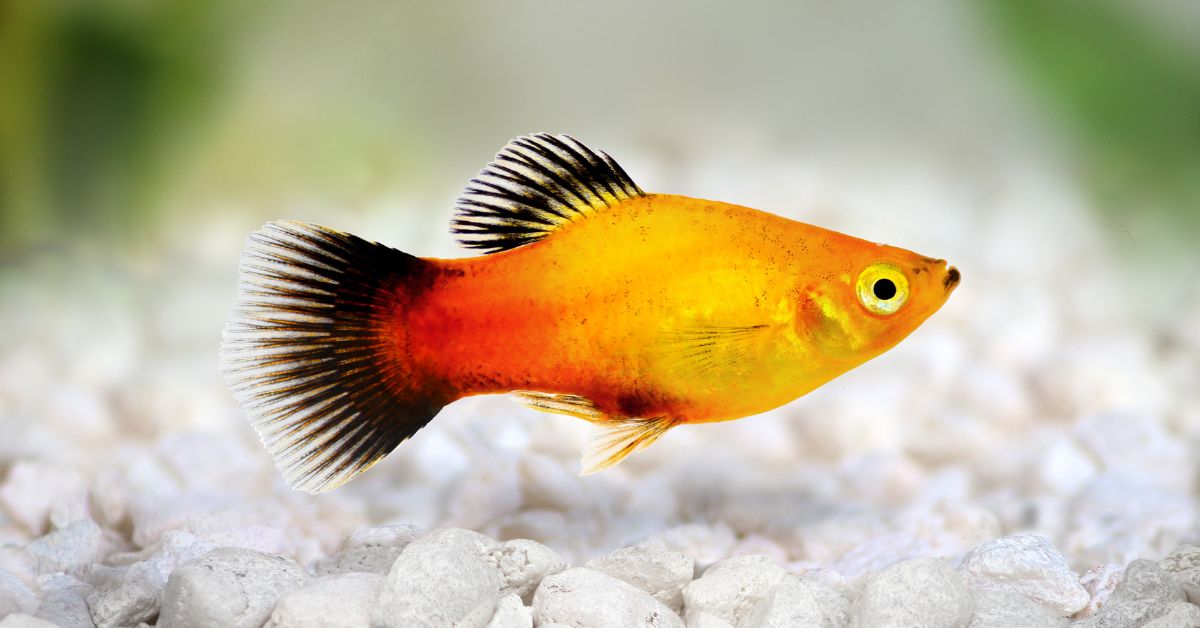
Qatar’s aquarium hobby has a gap between two worlds. On one side: Guppies – the most beginner-friendly fish available, small, cheap, and endlessly forgiving. On the other: Angelfish, Flowerhorn, and Arowana – impressive, demanding, and built for intermediate to advanced keepers.
In the middle sits a category most Qatar beginners overlook entirely: peaceful livebearers that are larger and more visually varied than Guppies, require no specialist care, and create the kind of active, colourful, multi-species display that makes a planted community tank worth sitting in front of.
Community fish Qatar hobbyists most consistently underuse are Balloon Mollies and Platies. Both are peaceful, breed readily and also tolerate Qatar’s AC-cooled room temperatures of 20 to 24°C without a heater in most conditions. And both prefer the slightly hard, slightly alkaline water that Doha’s desalination tap water provides naturally.
At World of Birds Qatar – Doha’s oldest aquatic store, open since 1985 – we stock both species year-round. Browse our live freshwater fish collection to check current availability.
In this blog, we’ll cover care guides for both species, how to combine them in Qatar’s ideal livebearer community tank, and everything beginners need to build a thriving setup.
Why Balloon Mollies and Platies Are Qatar’s Best Community Fish for Beginners
Three reasons Balloon Mollies and Platies are ideal community fish Qatar hobbyists can rely on:
Temperature compatibility. Both species tolerate 22 to 26°C – the exact range Qatar’s AC-cooled indoor rooms maintain year-round. No heater required in most Qatar conditions.
Water chemistry match. Both prefer slightly hard, slightly alkaline water (pH 7.0 to 8.0). Doha’s desalination tap water naturally falls within this range after conditioning – no pH adjustment, no mineral supplements needed.
Peaceful livebearer temperament. Both are social, active, and completely peaceful with similarly-sized fish. They establish lively mid-water activity that makes a community fish Qatar tank feel genuinely alive without aggression management.
At World of Birds, we have been stocking both Balloon Mollies and Platies since 1985. Both are featured in our beginner aquarium fish guide for Qatar as consistent year-round stock.
Browse our live freshwater fish collection to check current availability before visiting.
Balloon Molly at a Glance – Quick Care Profile
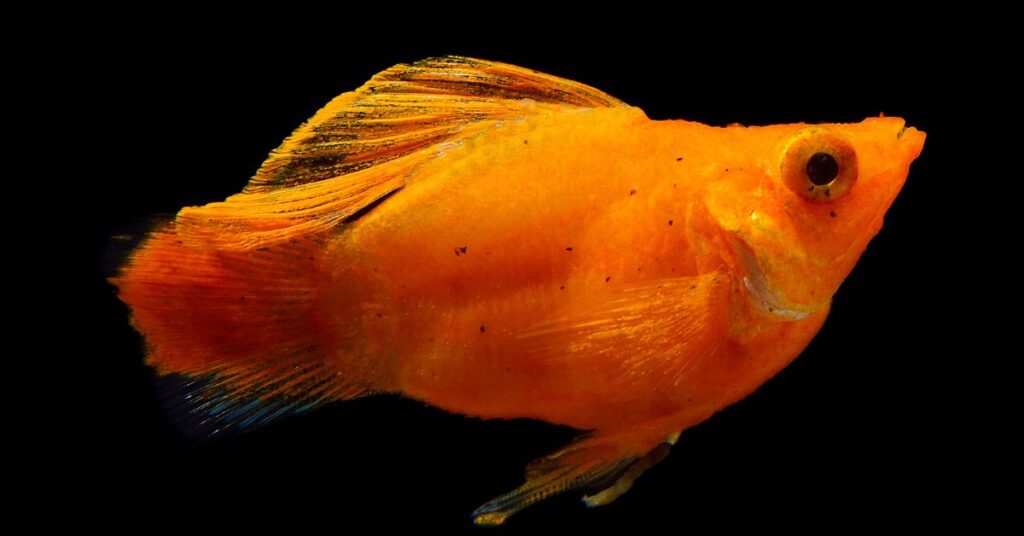
The Balloon Molly is a selectively bred form of Poecilia sphenops – its distinctive round, compressed body is the result of decades of selective breeding for the curved spine and enlarged abdomen that gives it its balloon-like silhouette.
| Scientific Name | Poecilia sphenops (balloon body form) |
| Origin | Central America – Mexico, Colombia |
| Adult Size | 5 to 8 cm |
| Care Level | Easy |
| Minimum Tank Size | 75 litres (group of 6) |
| Temperature | 22 to 26°C (suits Qatar AC rooms) |
| pH | 7.0 to 8.0 |
| Lifespan | 3 to 5 years |
| Temperament | Peaceful |
| Diet | Omnivore – algae preference |
| Breeding | Livebearer – fry every 28 to 40 days |
Browse Balloon Mollies at World of Birds to see current colour varieties at our Souq Al Ali store.
Balloon Molly Care Guide for Qatar Aquariums
Balloon Mollies are easy to keep – but they have one specific vulnerability Qatar beginners must understand: their round, compressed body makes them significantly more sensitive to water quality and overfeeding than their hardiness reputation suggests.
Tank size: 75 litres minimum for a group of 6. Balloon Mollies are active mid-water swimmers despite their round shape – they need horizontal swimming space.
Filter: Moderate flow with gentle output. Balloon Mollies’ compressed bodies make them less tolerant of strong filter currents than standard Mollies. A hang-on-back filter with adjustable flow or a sponge filter is the right choice.
Substrate: Dark gravel or sand enhances the colour contrast of gold, dalmatian, and black Balloon Molly varieties.
Plants: Balloon Mollies graze on algae that grows naturally on live plant surfaces. Anubias and Water Wisteria create both grazing surfaces and mid-water structure.
Water changes: 25% weekly minimum. Because of their compressed body shape, Balloon Mollies accumulate the negative effects of poor water quality faster than more streamlined fish.
Browse Aquariums and Stands at World of Birds and aquarium filters for setup options suited to a Qatar Balloon Molly tank.
What to Feed Balloon Mollies in Qatar
Staple food: Quality tropical fish flakes or micro-pellets. Essential supplement: Algae wafers and blanched vegetables (spinach, zucchini). Protein treats (twice weekly): Frozen bloodworms or frozen brine shrimp.
Critical Qatar-specific note: Balloon Mollies’ compressed round bodies make them highly susceptible to digestive problems from overfeeding. Feed small amounts twice daily – only what is consumed in 2 minutes. Fast one day per week to prevent the constipation and swim bladder problems that are the most common health issue in this species.
Browse fish food at World of Birds for flakes, algae wafers, and frozen food options available in Doha.
Platy Fish at a Glance – Quick Care Profile
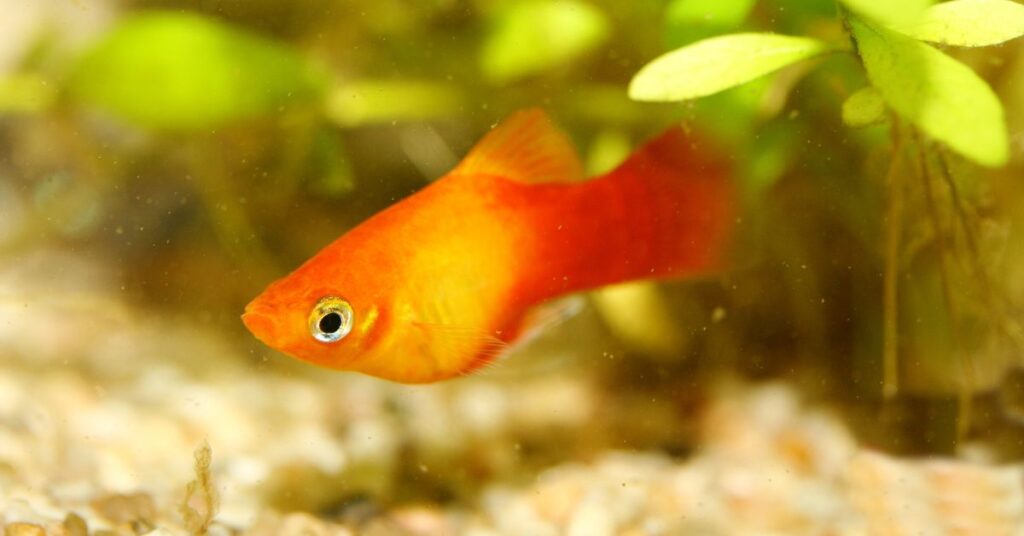
The Platy (Xiphophorus maculatus) is globally recognised as one of the most robust, most colourful, and most beginner-forgiving livebearers in the freshwater aquarium hobby.
| Scientific Name | Xiphophorus maculatus |
| Origin | Mexico, Guatemala, Belize – Central America |
| Adult Size | 4 to 6cm |
| Care Level | Very Easy |
| Minimum Tank Size | 75 litres (group of 4 to 6) |
| Temperature | 20 to 26°C (wider tolerance than Balloon Mollies) |
| pH | 7.0 to 8.0 |
| Lifespan | 3 to 5 years |
| Temperament | Peaceful, active |
| Diet | Omnivore |
| Breeding | Livebearer – fry every 28 to 35 days |
Platy Fish Care Guide for Qatar Aquariums
Platies are the more forgiving of the two species – and the better starting point for the absolute beginner in Qatar. They tolerate minor water quality fluctuations that would stress Balloon Mollies, accept virtually any food readily, and maintain active, visible behaviour across a wide range of tank conditions.
Tank size: 75 litres for a group of 4 to 6.
Filter: Any moderate-flow filter. Platies are more tolerant of filter current than Balloon Mollies – hang-on-back, canister, or sponge filter all work equally well.
Substrate: Dark substrate – black or dark brown gravel – enhances the vivid colours of Red Wag, Sunset, Blue, and Mickey Mouse Platy varieties.
Plants: Platies benefit from planted setups with both background plants (Water Wisteria) and midground structure (Anubias). Dense planting provides fry-hiding cover.
Temperature advantage: Platies tolerate 20 to 26°C – a slightly wider and cooler range than Balloon Mollies. This makes them one of the most naturally suited freshwater community fish Qatar AC rooms can support without a heater.
For a complete planted tank setup that suits a Platy community, read our planted aquarium guide for Qatar.
What to Feed Platy Fish in Qatar
Staple food: Quality tropical fish flakes or micro-pellets. Supplement: Algae wafers, blanched spinach or zucchini. Protein treats twice weekly: Frozen bloodworms or brine shrimp. Feed twice daily, only what is consumed in 2 minutes. Remove uneaten food within 2 minutes in Qatar’s warm rooms where food decomposes quickly.
Balloon Molly vs Platy – Which Is Better for Qatar Beginners?
Qatar beginner verdict: Platies for hardiness, Balloon Mollies for visual impact, both together for the best community fish Qatar tank.
Choose Platies if:
- You are setting up your first community tank and want maximum hardiness
- Colour variety – Platies come in more named colour forms than any other livebearer
- You want a fish that tolerates minor beginner mistakes without consequences
Balloon Mollies if:
- You want the most visually distinctive body shape in the community tank
- then you can commit to the careful feeding routine their digestive sensitivity requires
- You want a fish that immediately attracts attention from visitors
Both together: A 75 to 100-litre community tank with both species creates a visually layered display with two different body shapes, colour palettes, and swimming styles. The Balloon Mollies’ round, deliberate swimming contrasts directly with the Platies’ more streamlined, active movement – creating a display more engaging than either species alone.
The Livebearer Community Tank – Mollies, Platies, and Guppies Together in Qatar
The setup: 100-litre planted tank. 6 to 8 Guppies (upper water zone). 4 to 6 Platies (mid-water). 4 to 6 Balloon Mollies (mid-water, slower-swimming). 4 to 6 Corydoras Catfish (bottom zone).
Why this combination works:
- Every water zone is covered – the tank is active at every visible level simultaneously
- Four species tolerate 22 to 24°C without a heater in most Qatar conditions
- They prefer the same slightly hard, slightly alkaline water that Doha’s tap water provides naturally
- All four species breed in the tank – the community naturally manages fry population through predation without keeper intervention
Read our Guppy care guide for Qatar for the complete Guppy setup that completes this combination.
Browse live aquatic plants for your community tank – Water Wisteria and Anubias create the background structure and fry cover this community needs.
Community Tank Mates for Balloon Mollies and Platies in Qatar
Safe companions from WOB’s Qatar stock:
- Guppies – the most natural companion. Same livebearer family, identical water parameters, complementary upper-water swimming zone.
- Corydoras Catfish – ideal bottom dwellers. Clean substrate and completely ignore Mollies and Platies.
- Zebra Danios – fast, peaceful, same temperature range.
- Glo Tetras – large enough not to be eaten by adult Mollies, peaceful.
For shrimp compatibility, read our aquarium shrimp guide for Qatar – adult Mollies eat baby shrimp, so the combination requires careful planning.
Browse community freshwater fish at World of Birds to see which compatible species are currently in stock.
Can Balloon Mollies and Platies Live Together in Qatar?
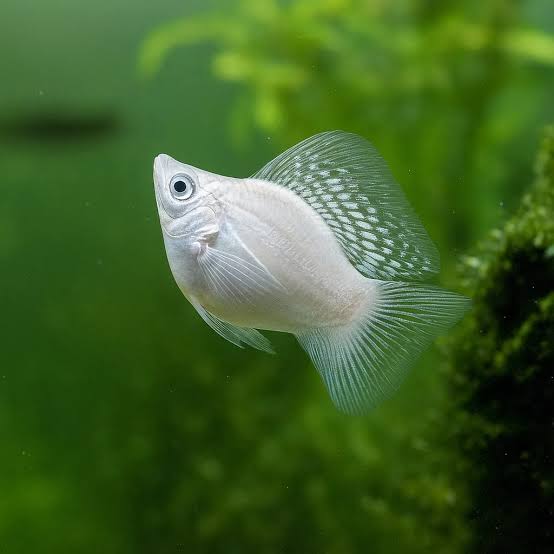
Yes – one of the most reliable community fish Qatar combinations available. Both are peaceful livebearers with identical water parameter requirements and the same temperature tolerance. Neither dominates the other, and no territorial conflict arises under normal community tank conditions.
Keep equal numbers or a slight Platy majority – Platies are slightly more active and bold, which balances the Balloon Molly’s more deliberate mid-water swimming style.
Breeding – What Happens When Balloon Mollies and Platies Have Fry in Qatar
Both species breed without any deliberate intervention – buying a mixed male-female group means fry appear within 4 to 6 weeks in any stable Qatar tank.
How to sex both species:
- Males: smaller, slimmer body, narrow pointed gonopodium (anal fin)
- Females: larger, rounder body when mature, fan-shaped anal fin, prominent dark gravid spot when pregnant
Breeding cycle:
- Balloon Mollies: fry every 28 to 40 days, 10 to 40 fry per birth
- Platies: fry every 28 to 35 days, 20 to 50 fry per birth
Fry in the community tank: Adults eat fry – the natural population management mechanism. In a planted tank with Water Wisteria and Anubias cover, some fry survive to adulthood. In a bare tank, most fry are consumed within hours.
Qatar note: Mixed Balloon Molly and Platy tanks do not produce hybrid fry. Poecilia (Mollies) and Xiphophorus (Platies) cannot interbreed – offspring are purebred from their respective parents.
Common Health Problems for Community Fish in Qatar
Most health problems are preventable with correct feeding and weekly water changes.
Find fish health and water care products at World of Birds for treatment and preventative options.
Swim Bladder Problems in Balloon Mollies – The Most Common Qatar Issue
Balloon Mollies floating sideways, tilting, or unable to maintain depth. Caused by overfeeding dry food that expands in the compressed body cavity.
Feed small amounts twice daily, include algae wafers and vegetables, fast one day per week. Treatment: 3-day fast, then blanched deshelled pea.
Ich (White Spot) – Temperature Drop Risk in Qatar
White spots on body and fins, fish scratches against surfaces. Triggered by temperature drops when AC rooms cool overnight below 20°C.
Heater set to 24°C. Treatment: Raise temperature to 28°C gradually over 48 hours, treat with ich medication.
Fin Rot – Water Quality Problem
Ragged, discoloured fin edges. Caused by overfeeding or infrequent water changes.
Weekly 25% water changes, remove uneaten food within 2 minutes. Treatment: Improve water quality immediately before medication.
Wasting in Platies – Internal Parasites
Platies becoming progressively thinner despite eating. Caused by internal parasites common in imported fish.
Quarantine all new fish for 2 weeks. Treatment: Antiparasitic medication – available at World of Birds.
Where to Buy Balloon Mollies and Platies in Qatar – World of Birds, Souq Al Ali
World of Birds has been supplying Balloon Mollies and Platies to Qatar customers since 1985. Both species are among our most consistently available freshwater fish at Souq Al Ali – year-round, from regular shipment arrivals, in multiple colour varieties.
Before visiting, read our guide to buying healthy fish in Qatar.
Message us on 33311542 via WhatsApp to check current stock and colour variety availability.
Browse our live freshwater fish collection at World of Birds online to see current stock.
Find us on Google Maps – Souq Al Ali, Doha, Qatar.
Store details: Location: Souq Al Ali, Doha, Qatar WhatsApp: 33311542 Phone: +974 33311542
Frequently Asked Questions About Community Fish in Qatar
Do Balloon Mollies need a heater in Qatar?
Usually not. Balloon Mollies tolerate 22 to 26°C – Qatar’s AC-cooled rooms maintain 20 to 24°C year-round. This makes Balloon Mollies one of the most naturally suited community fish Qatar conditions support without specialist equipment. A heater set to 24°C is recommended for temperature stability but not strictly essential in most Qatar apartments.
What fish can live with Balloon Mollies and Platies in Qatar?
Safe tank mates include Guppies (same livebearer family, same water parameters), Corydoras Catfish (ideal bottom dwellers), Zebra Danios (fast, peaceful, same temperature range), and Glo Tetras. Never keep Balloon Mollies or Platies with Betta Fish, Tiger Barbs, or large aggressive cichlids. Read our Betta Fish care guide for Qatar for full compatibility guidance.
How many Platies should I keep together?
Keep a minimum of 4 to 6 Platies. Keep 1 male to 2 to 3 females – males chase females persistently and a higher female ratio distributes attention across multiple individuals, reducing stress.
Do Balloon Mollies and Platies breed easily in Qatar?
Yes – both breed without any deliberate intervention. Buy a mixed group and fry appear within 4 to 6 weeks. Adults eat most fry, naturally controlling population. Dense plant cover allows some fry to survive to adulthood. Mixed Balloon Molly and Platy tanks do not produce hybrids – both produce purebred offspring.
Where can I buy Balloon Mollies and Platies in Qatar?
World of Birds at Souq Al Ali, Doha stocks Balloon Mollies and Platies year-round in multiple colour varieties. Both are among our most consistently available community fish Qatar buyers request. We have been supplying community fish in Qatar since 1985. Contact us on WhatsApp at 33311542 to check current stock before visiting.
Ready to Build Your Qatar Community Tank? Visit World of Birds Today
Balloon Mollies and Platies together – with Guppies and Corydoras – form Qatar’s most naturally suited, most energy-efficient, and most colourful beginner community fish Qatar setup. No heater required in most Qatar conditions also no specialist water chemistry and No aggression management.
World of Birds has all four species available at Souq Al Ali – alongside tanks, filters, live plants, food, and 41 years of Qatar community tank expertise in one visit. Browse Balloon Mollies, Platies, and community fish at World of Birds, or message us on WhatsApp at 33311542 to check current stock before visiting.
