







Aquarium Water Conditioner: What It Does and When You Need It

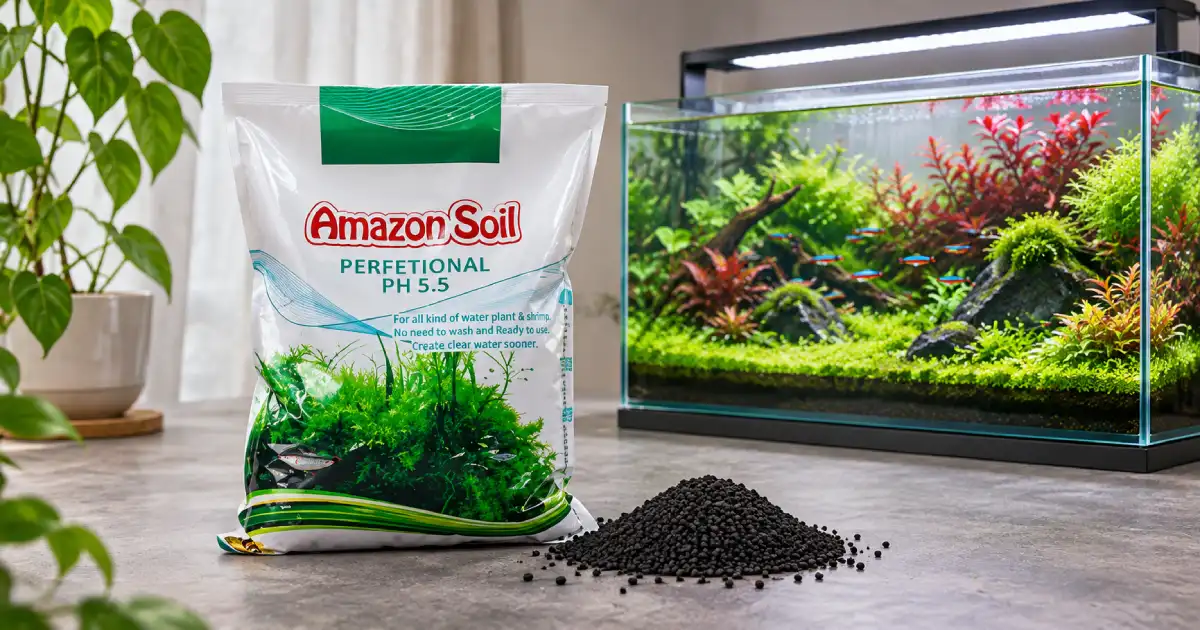
Aquarium water conditioner makes tap water safer for fish by neutralising harmful chlorine and, in suitable formulas, chloramine. Use it whenever adding untreated tap water to a new aquarium, performing water changes, or replacing evaporated water. Always follow the manufacturer’s dosage instructions and treat replacement water before adding it to the tank.
According to the Merck Veterinary Manual, chlorine can harm aquatic animals at concentrations as low as 0.02 mg/L. Even clear drinking water may contain disinfectants harmful to fish.
At World of Birds- Pet & Aquatic Pet Store in Doha, Qatar, aquarium owners can explore water treatment and maintenance supplies.
This guide explains how water conditioner works, when you need it, correct dosage, and common mistakes to avoid.
What Is Aquarium Water Conditioner?
Aquarium water conditioner is a water treatment product that neutralises harmful disinfectants before water enters a fish tank. Most products target chlorine, while suitable formulas also treat chloramine.
Water conditioners usually come in concentrated liquid form. Fishkeepers measure the required amount according to the water volume and manufacturer’s instructions.
A water conditioner is particularly useful when preparing municipal tap water. Drinking water treatment protects human health, but aquatic animals have different requirements.
The Merck Veterinary Manual’s guide to fish housing recommends treating new aquarium water containing chlorine or chloramine.
Why Is Tap Water Different?
Water suppliers use disinfectants to control harmful microorganisms. These treatments make drinking water safer for people.
However, fish live in direct contact with water throughout their lives. Harmful chemicals can damage their sensitive gills and interfere with normal breathing.
This makes proper water preparation essential for freshwater and marine aquariums.
What Does Water Conditioner Do?
An aquarium water conditioner primarily neutralises chlorine and chloramine. Some specialised formulas also claim to bind certain metals or temporarily reduce ammonia toxicity.
Check the individual product label because conditioners offer different treatment capabilities.
1. Neutralises Chlorine
Chlorine is commonly used to disinfect drinking water. However, it can damage fish gills and other sensitive tissues.
The Merck Veterinary Manual reports harmful effects at chlorine concentrations as low as 0.02 mg/L.
A suitable dechlorinator reacts with chlorine, reducing its harmful effects before fish encounter the treated water.
2. Treats Chloramine
Chloramine combines chlorine with ammonia to create a longer-lasting disinfectant. Unlike free chlorine, chloramine does not reliably disappear when water sits overnight.
The CDC’s water disinfection guidance confirms that both disinfectants can harm aquatic animals.
Choose a conditioner specifically labelled for chloramine treatment. Remember that breaking down chloramine can release ammonia, which still requires appropriate management.
3. Protects Beneficial Bacteria
Beneficial bacteria help process ammonia and nitrite within an established aquarium filter. Chlorine and chloramine can disrupt these important bacterial colonies.
Treating new water reduces disinfectant exposure during aquarium maintenance. This helps preserve the biological filtration system.
Find more about maintaining these conditions in our aquarium water quality guide for Qatar.
4. Addresses Additional Water Concerns
Some water conditioners include ingredients designed to bind certain heavy metals. Others offer additional ammonia-related or slime-coat support.
These features vary considerably between products. A standard dechlorinator should not be assumed to remove every contaminant.
When Do You Need Water Conditioner?
Use aquarium water conditioner whenever adding water containing harmful disinfectants to your tank. This includes initial setup, partial water changes, and untreated tap-water top-ups.
Setting Up a New Aquarium
Condition tap water before introducing fish or beneficial bacteria. Then establish the biological filtration system through proper aquarium cycling.
Water conditioner prepares the water chemically. It does not establish a complete nitrogen cycle.
Follow our beginner fish tank setup guide for the remaining setup steps.
Performing Water Changes
Add the appropriate conditioner dose to fresh replacement water before pouring it into an established tank.
A partial water change removes some accumulated waste. Conditioned replacement water helps maintain safer conditions without exposing fish to harmful disinfectants.
Replacing Evaporated Water
Aquarium water evaporates over time, especially in warmer environments. If you use tap water for top-ups, condition it before adding it.
However, topping up does not remove accumulated nitrate or other dissolved substances. Continue performing appropriate partial water changes.
In marine aquariums, use suitable freshwater for evaporation replacement rather than adding more saltwater.
Preparing Water for a Quarantine Tank
New fish often benefit from a separate quarantine aquarium. The water must still meet the species’ temperature and chemistry requirements.
Treat chlorinated water before introducing fish. Ensure the quarantine tank also has appropriate filtration and water testing.
How to Use Aquarium Water Conditioner
The safest routine is to measure and condition replacement water separately. This reduces the chance of exposing fish directly to untreated tap water.
Follow these five steps.
Step 1: Measure Replacement Water
Fill a clean aquarium-only bucket with the required amount of tap water. Never use a bucket containing detergent or household cleaning chemicals.
Measure the water in litres before calculating the dose.
Step 2: Check the Product Instructions
Read the label for dosage, supported water types, and treatment time. Concentrated products may require much smaller quantities than standard formulas.
Use the supplied measuring cap or a suitable graduated syringe.
Step 3: Add the Conditioner
Measure the recommended dose for the replacement water volume. Mix it thoroughly so the treatment distributes evenly.
Follow any waiting period specified by the manufacturer.
Step 4: Match the Water Temperature
Check the replacement water temperature before adding it. Large temperature differences can stress aquarium fish.
This matters in Doha, where outdoor heat and indoor air conditioning can create significant temperature differences.
Step 5: Add Treated Water Slowly
Pour the prepared water gently into the aquarium. Avoid disturbing substrate, plants, and fish.
Restore normal equipment operation and observe your fish after the water change.
How Much Water Conditioner Should You Use?
The correct aquarium water conditioner dosage depends on the product’s concentration and the volume being treated. Always use the manufacturer’s instructions rather than copying another brand’s dosage.
Aquarium Water Conditioner Dosage Formula
Required dose = Water volume ÷ Label treatment volume × Label dose
For example, assume a product recommends 5 ml for every 40 litres of water.
| Water Volume | Example Conditioner Dose |
| 10 litres | 1.25 ml |
| 20 litres | 2.5 ml |
| 40 litres | 5 ml |
| 60 litres | 7.5 ml |
| 100 litres | 12.5 ml |
| 200 litres | 25 ml |
This table is a hypothetical calculation, not a universal conditioner dosage chart. Follow your actual product’s label.
Example: A 100-Litre Aquarium
Imagine performing a 25% water change in a 100-litre aquarium.
- Total water volume: 100 litres.
- Replacement water: 25 litres.
- Example product dosage: 5 ml per 40 litres.
- Required conditioner: 25 ÷ 40 × 5 = 3.125 ml.
You would measure approximately 3.1 ml when treating those 25 litres separately.
If adding conditioner directly to the aquarium, some manufacturers require a different dosing method. Always follow their specific instructions.
Water Conditioner vs Other Treatments
Water conditioners, biological supplements, and filters perform different tasks. Understanding these differences helps prevent unnecessary chemical use and incorrect maintenance.
| Aquarium Product | Main Purpose | Replaces Conditioner? |
| Water conditioner | Neutralises specified disinfectants | Yes, when suitable |
| Beneficial bacteria starter | Supports biological filter development | No |
| Aquarium filter | Removes particles and supports biological filtration | No |
| Activated carbon | Adsorbs certain dissolved substances | Not automatically |
| Water testing kit | Measures water conditions | No |
| Algae treatment | Targets specific algae problems | No |
Does Water Conditioner Remove Ammonia?
Standard dechlorinators do not necessarily remove ammonia. Some specialised conditioners claim temporary ammonia detoxification, but this does not replace biological filtration.
Test aquarium water regularly. Persistent ammonia indicates a problem requiring further investigation and appropriate corrective action.
Does Water Conditioner Cycle a Fish Tank?
No. Water conditioner does not establish beneficial bacteria or complete the nitrogen cycle.
A new aquarium needs an established biological filter capable of processing waste. Test ammonia and nitrite before introducing livestock.
Explore our aquarium filter guide to understand filtration options for different tank sizes.
Choosing Water Conditioner in Qatar
The best aquarium water conditioner should match your water source, tank type, and treatment requirements. Qatar fishkeepers should confirm local water conditions rather than assume every supply has identical chemistry.
Check Your Water Source
Municipal tap water, bottled water, and reverse-osmosis water have different properties. Test your water and confirm whether it contains disinfectants.
Even desalinated drinking water may undergo additional treatment before reaching homes. Building storage tanks and plumbing can also influence water quality.
Consider Your Aquarium Type
Check whether the conditioner suits freshwater, marine, shrimp, or planted aquariums. Some products have specific compatibility requirements.
Sensitive aquatic animals may require additional water preparation. Read our aquarium shrimp care guide for species-specific considerations.
Compare Concentration and Value
A larger bottle does not always treat more water. Compare the total litres treated using the manufacturer’s standard dosage.
For example, a 100 ml bottle dosing 5 ml per 40 litres treats 800 litres. A 100 ml bottle dosing 1 ml per 40 litres treats 4,000 litres.
These examples demonstrate why treatment capacity matters more than bottle size alone.
At World of Birds, you can browse the aquatic equipment and supplies collection for aquarium maintenance products.
Common Water Conditioner Mistakes
Water conditioner works best when used correctly. Incorrect dosing and preparation can undermine an otherwise effective aquarium maintenance routine.
Adding Untreated Water First
Avoid exposing fish to untreated tap water unnecessarily. Prepare replacement water separately whenever possible.
Assuming Overnight Water Is Safe
Leaving water uncovered may reduce free chlorine. However, this method does not reliably remove chloramine.
Use a suitable conditioner and verify water quality.
Overdosing the Conditioner
More conditioner does not automatically provide better protection. Excessive dosing may cause problems depending on the product and aquarium conditions.
Follow the recommended dosage and avoid unnecessary repeated treatments.
Using Conditioner Instead of Water Changes
Conditioner does not routinely remove accumulated nitrate, organic waste, or all dissolved contaminants.
Continue appropriate water changes and regular testing. Our aquarium cleaning guide for Qatar explains the wider maintenance process.
Ignoring Signs of Fish Stress
Gasping, rapid gill movement, lethargy, and unusual swimming can indicate water-quality problems. These symptoms do not necessarily confirm chlorine exposure.
Test the water and check temperature, oxygenation, ammonia, nitrite, and disinfectant levels. Seek aquatic veterinary assistance if serious symptoms persist.
Frequently Asked Questions
Q1. Do fish tanks need water conditioner?
Answer: Fish tanks need suitable treatment when incoming water contains chlorine or chloramine. Properly prepared, disinfectant-free water may not require a conventional dechlorinator.
Q2. How long does aquarium water conditioner take to work?
Answer: Many conditioners act quickly, but treatment times differ. Follow the manufacturer’s instructions and confirm the water is suitable before adding it.
Q3. Can I add water conditioner while fish are in the tank?
Answer: Some products permit direct aquarium dosing. However, treating replacement water separately reduces direct exposure to untreated water.
Follow the specific product instructions.
Q4. Should I use conditioner with every water change?
Answer: Yes, whenever replacement water contains harmful disinfectants. Calculate the correct dosage according to the water volume and product label.
Q5. Can too much water conditioner harm fish?
Answer: Excessive doses may create problems depending on the formulation. Always follow the label instead of assuming additional conditioner offers greater protection.
Q6. Does bottled water need aquarium conditioner?
Answer: Not necessarily. Bottled water varies in minerals, treatment methods, and suitability for aquatic animals.
Test it before use and confirm it meets your fish’s requirements.
Q7. Is aquarium water conditioner safe for live plants?
Answer: Many conditioners are suitable for planted aquariums. Check the product’s compatibility before using it with sensitive plants or aquatic invertebrates.
Find Aquarium Water Care Supplies at World of Birds
Aquarium water conditioner helps prepare tap water by neutralising harmful disinfectants before they reach fish and beneficial bacteria.
Use an appropriate formula, measure the correct dosage, and prepare replacement water before adding it. Regular testing, biological filtration, and water changes remain equally important.
Explore the World of Birds aquatic collection in Qatar for aquarium equipment, filters, and water maintenance supplies.
Visit World of Birds – Pet & Aquatic Pet Store at Souq Al Ali, Doha, Qatar, to discuss your aquarium setup and suitable water treatment options.
