







Aquarium pH Guide: What Level Is Safe for Freshwater Fish?

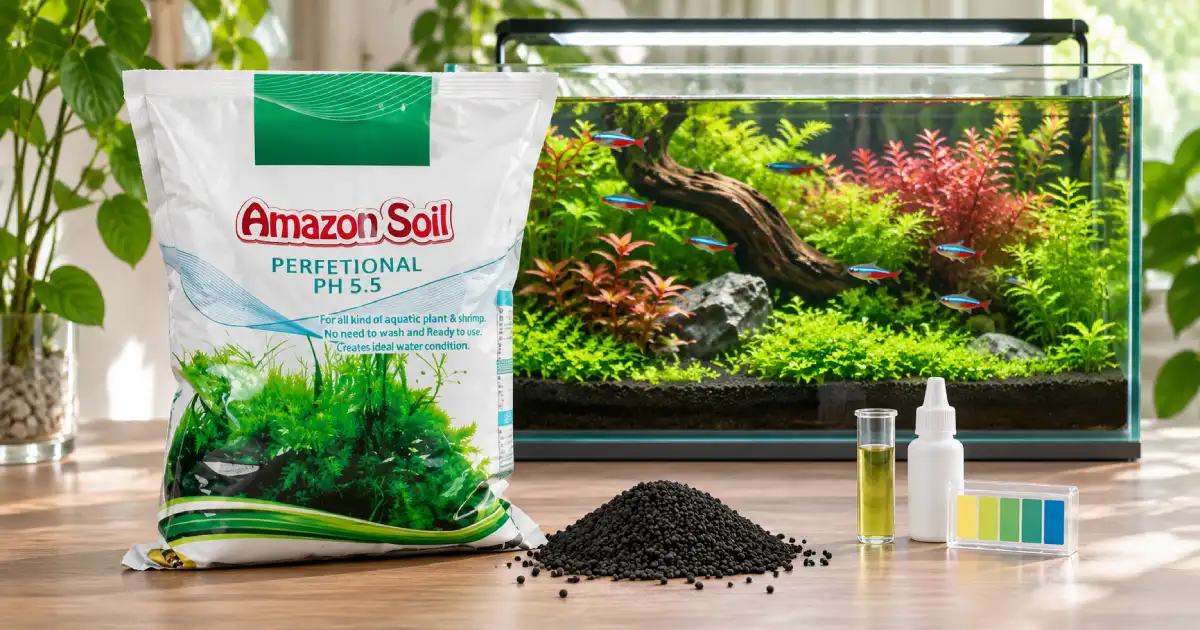
A safe aquarium pH for most freshwater tropical fish ranges from 6.8 to 7.6. However, the ideal level depends on your fish species. Bettas generally prefer slightly acidic to neutral water, while guppies and mollies tolerate more alkaline conditions. Maintaining a stable pH within your fish’s preferred range is more important than achieving exactly 7.0.
The Merck Veterinary Manual explains that pH uses a logarithmic scale. A change of one pH unit represents a tenfold difference in hydrogen ion concentration. This makes sudden pH changes particularly concerning for aquarium fish.
At World of Birds – Pet & Aquatic Pet Store in Doha, Qatar, fishkeepers can explore aquarium supplies and freshwater livestock.
This guide explains safe pH ranges, species requirements, testing methods, and practical ways to maintain stable aquarium water.
What Is Aquarium pH?
Aquarium pH measures how acidic or alkaline the water is. The pH scale generally ranges from 0 to 14, with 7 representing neutral water.
Understanding pH helps fishkeepers maintain water conditions suitable for their aquarium inhabitants.
| pH Level | Water Condition |
| Below 7.0 | Acidic |
| 7.0 | Neutral |
| Above 7.0 | Alkaline |
According to the Merck Veterinary Manual’s pH guide, pH is logarithmic rather than linear.
This means water at pH 6 has ten times the hydrogen ion concentration of water at pH 7.
Consequently, a seemingly small numerical change can represent a substantial chemical difference.
Safe pH Levels for Freshwater Fish
An aquarium pH between approximately 6.8 and 7.6 suits many freshwater tropical fish. However, some species prefer softer, acidic water, while others require harder, alkaline conditions.
The Merck Veterinary Manual’s freshwater water quality reference identifies 6.5–9.0 as a broad reference range.
This does not mean every freshwater fish can thrive throughout that entire range.
Is pH 7.0 Best for All Fish?
No. Neutral water may suit many aquarium fish, but it is not universally ideal.
Discus often prefer softer, more acidic conditions. Mollies generally benefit from harder, more alkaline water.
Choose fish with compatible water requirements rather than forcing every species into the same conditions.
Explore our freshwater aquarium fish guide for Qatar to compare different fish types.
Freshwater Aquarium pH Chart
The following chart provides approximate aquarium pH ranges for popular freshwater fish. Individual requirements may vary by species, captive-bred strain, and previous acclimation conditions.
| Freshwater Fish | Approximate pH Range | Preferred Water |
| Betta | 6.5–7.5 | Slightly acidic to neutral |
| Neon tetra | 6.0–7.0 | Slightly acidic |
| Guppy | 7.0–8.0 | Neutral to alkaline |
| Molly | 7.5–8.5 | Alkaline, mineral-rich |
| Platy | 7.0–8.2 | Neutral to alkaline |
| Goldfish | 7.0–8.0 | Neutral to alkaline |
| Angelfish | 6.5–7.5 | Slightly acidic to neutral |
| Discus | 6.0–7.0 | Soft, slightly acidic |
| Zebra danio | 6.5–7.5 | Slightly acidic to neutral |
These ranges provide general husbandry guidance rather than strict treatment targets. Confirm the requirements of your particular fish before changing water chemistry.
Example: Choosing a Community Tank pH
Suppose an aquarium contains captive-bred angelfish and suitable peaceful schooling fish.
A stable pH around 7.0 may fall within their overlapping requirements. However, temperature, hardness, adult size, and behaviour must also be compatible.
Conversely, combining fish that require very soft water with hard-water specialists can create unnecessary difficulties.
Our community fish guide for Qatar provides further guidance on compatible aquarium livestock.
What Causes Aquarium pH Changes?
Aquarium pH changes when dissolved carbon dioxide, mineral buffers, organic waste, or replacement water alter water chemistry. Identifying the cause helps prevent repeated fluctuations.
1. Low Carbonate Hardness
Carbonate hardness, commonly called KH, helps water resist sudden changes in pH.
Aquariums with low buffering capacity may experience significant fluctuations. This can become more noticeable as biological filtration processes fish waste.
Test KH alongside pH when aquarium acidity changes unexpectedly.
2. Fish Waste and Organic Matter
Fish waste, uneaten food, and decomposing plant material contribute to changes in aquarium chemistry.
Biological processes can consume alkalinity and gradually lower pH. Regular partial water changes help replenish minerals and remove accumulated waste.
Overstocking and excessive feeding can increase the maintenance burden.
3. Carbon Dioxide in Planted Tanks
Dissolved carbon dioxide affects aquarium acidity. As carbon dioxide increases, pH generally decreases.
Plants consume carbon dioxide during photosynthesis. At night, respiration can increase carbon dioxide concentrations.
Planted aquariums may therefore experience natural daily pH fluctuations. Low KH or supplemental carbon dioxide can increase these variations.
4. Aquarium Substrate and Decorations
Some substrates and rocks influence water chemistry. Active aquarium soils may lower pH and carbonate hardness.
Limestone and crushed coral can contribute minerals and increase buffering capacity.
For planted aquarium setups, World of Birds’ aquarium soil guide explains substrate selection and preparation.
Always research how a material affects your fish’s preferred water conditions.
5. Replacement Water
Tap water may have different pH and mineral levels from established aquarium water.
Large water changes can create noticeable shifts when these differences are substantial. Testing replacement water helps identify potential problems before maintenance begins.
How to Test Aquarium pH
Test aquarium pH using a suitable liquid test kit, aquarium test strips, or a calibrated electronic pH meter. Follow the equipment instructions and record results regularly.
Aquarium pH Testing Methods
| Testing Method | Main Advantage | Important Consideration |
| Liquid test kit | Useful colour-based readings | Requires correct sample and reagent quantities |
| Test strips | Quick routine checks | Colour interpretation can vary |
| Digital pH meter | Direct numerical reading | Requires calibration and maintenance |
Step-by-Step pH Testing
- Collect an aquarium water sample in a clean testing container.
- Follow the test kit’s sampling and measurement instructions.
- Compare the colour result or read the digital display.
- Record the pH, date, and testing time.
- Test replacement water when investigating unexpected changes.
Test at approximately the same time during routine monitoring. This helps distinguish long-term changes from normal daily fluctuations.
For a planted tank, compare morning and evening readings if you suspect carbon dioxide-related changes.
How Often Should You Test pH?
Test pH weekly in established aquariums. New tanks or unstable water conditions may require more frequent testing.
Test immediately if fish show unusual behaviour or after major aquarium changes.
How to Lower Aquarium pH
Lower aquarium pH only when it becomes unsuitable for your fish. Check carbonate hardness, source water, and aquarium materials before making adjustments.
Remove Alkalinity-Raising Materials
Limestone, crushed coral, and mineral-rich decorations can increase pH. Remove unnecessary materials that contribute to rising alkalinity.
Consider Suitable Aquarium Soil
Active aquarium substrates can help create softer, more acidic water. However, their effectiveness depends on water chemistry and fish requirements.
Use Prepared Reverse-Osmosis Water
Mixing RO water with tap water can help reduce hardness and buffering capacity. Ensure suitable mineral levels before use.
Never replace all aquarium water with unmineralised RO water.
Avoid Sudden Chemical Adjustments
Repeated use of pH-lowering chemicals can cause unstable water conditions. Adjust water chemistry gradually, test regularly, and follow product instructions.
How to Raise Aquarium pH
Raise aquarium pH when water becomes persistently too acidic for your fish. Check carbonate hardness first to identify insufficient buffering.
Improve Buffering Capacity
Suitable aquarium mineral buffers or crushed coral can gradually increase alkalinity and stabilise pH. Choose methods appropriate for your aquarium inhabitants.
Perform Appropriate Water Changes
Regular partial water changes can replenish mineral buffers and maintain stable pH. Test replacement water and avoid sudden changes in water chemistry.
Improve Gas Exchange
Excess dissolved carbon dioxide can lower aquarium pH. Appropriate surface movement and aeration can improve gas exchange.
Check whether filtration and circulation operate correctly. Our aquarium filter guide explains filtration options for different aquarium sizes.
Avoid treating aeration as a universal solution for acidic water. Identify the underlying cause first.
Can Incorrect pH Harm Fish?
Yes. Aquarium pH outside a fish’s suitable range can affect normal biological functions and contribute to stress. Rapid changes may also cause problems.
Possible warning signs include:
- Rapid breathing or gasping.
- Reduced appetite.
- Unusual swimming.
- Lethargy or hiding.
- Clamped fins.
These symptoms are not specific to pH problems. Ammonia, nitrite, temperature changes, disease, and low oxygen can produce similar signs.
Test the complete water conditions before assuming pH is responsible.
Why High pH Increases Ammonia Risk
Ammonia occurs in different chemical forms in aquarium water. As pH rises, a greater proportion can exist as toxic un-ionised ammonia.
A sudden pH increase can therefore worsen an existing ammonia problem.
Established aquariums should maintain ammonia and nitrite at undetectable levels through appropriate biological filtration.
Maintaining Aquarium pH in Qatar
Aquarium owners in Qatar should test their actual water supply rather than assume every source has identical mineral content. Municipal water, building storage tanks, bottled water, and reverse-osmosis water can differ.
Prepare Water Before Every Change
Check replacement water for pH, temperature, and hardness. Treat harmful disinfectants using a suitable aquarium water conditioner when required.
Remember that water conditioner does not automatically stabilise pH or replace biological filtration.
Keep a Water Chemistry Log
Record your aquarium’s pH, KH, ammonia, nitrite, and nitrate readings. A simple log helps identify gradual changes before they become serious.
| Test Day | Morning pH | Evening pH | KH |
| Monday | 7.0 | 7.2 | 4 dKH |
| Wednesday | 7.0 | 7.2 | 4 dKH |
| Friday | 6.9 | 7.1 | 4 dKH |
This example demonstrates how repeated measurements can reveal patterns rather than isolated readings.
Read our aquarium water quality guide for Qatar for wider water chemistry guidance.
Frequently Asked Questions
Q1. What is the best pH for a freshwater aquarium?
Answer: A pH around 6.8–7.6 suits many tropical freshwater fish. However, the ideal range depends on species-specific requirements.
Q2. Is pH 8.0 too high for freshwater fish?
Answer: Not necessarily. Guppies and mollies may tolerate this level well. However, some soft-water fish require more acidic conditions.
Q3. Is pH 6.0 safe for aquarium fish?
Answer: Some fish tolerate pH 6.0, particularly species adapted to acidic water. However, it may be unsuitable for hard-water species.
Q4. Why does my aquarium pH keep dropping?
Answer: Low carbonate hardness, biological filtration, and decomposing organic matter can contribute to declining pH. Test alkalinity before making adjustments.
Q5. Can aquarium water changes affect pH?
Answer: Yes. Replacement water with different mineral content or pH can change aquarium chemistry. Test and prepare new water before adding it.
Final Thoughts
The safest aquarium pH is a stable level within your freshwater fish’s preferred range.
Most tropical fish thrive around pH 6.8–7.6, but individual species have different requirements. Test pH alongside carbonate hardness and other water parameters before making changes.
Avoid sudden adjustments and select aquarium livestock with compatible water requirements.
Explore the World of Birds aquatic collection in Qatar for aquarium substrates, filtration equipment, and freshwater fish supplies.
Visit World of Birds – Pet & Aquatic Pet Store at Souq Al Ali, Doha, Qatar, for products suited to your aquarium setup.
