







Budgie Breeding Qatar: Budgie & Lovebird Care Guide

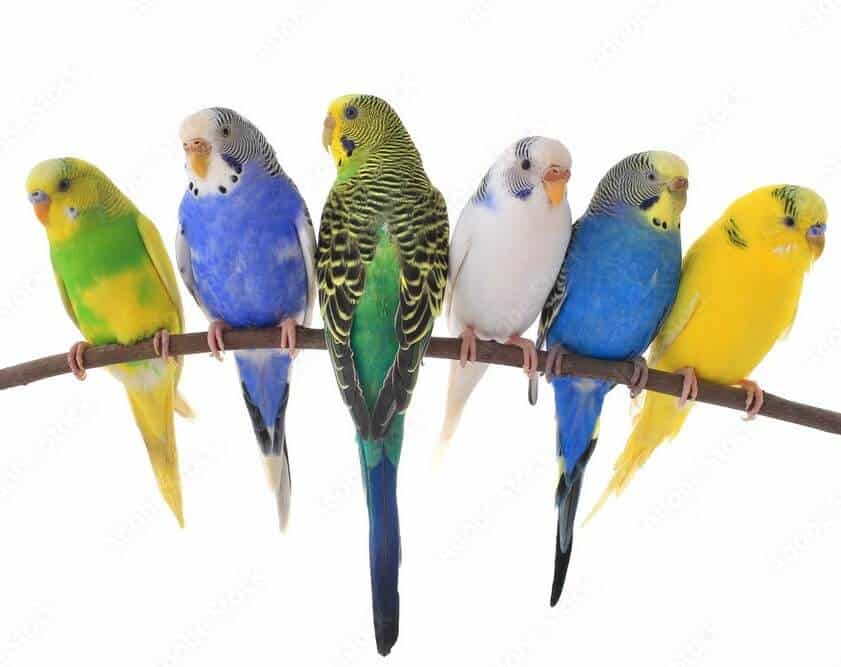
For budgie breeding in Qatar, responsible breeding should begin only with mature, healthy, unrelated birds that are correctly sexed and compatible. A nest box or mating behaviour does not mean a pair is ready to breed, and breeding too early can increase the risk of failed clutches and reproductive problems.
For budgies, Lafeber advises that females should be at least 18 months old, with closer to 2 years being safer, while males should be at least one year old. For lovebirds, around 2 years old is the safer breeding target.
At World of Birds in Souq Al Ali, Doha, we keep adult budgies and several lovebird species alongside bird food and care supplies. This guide explains breeding readiness, diet, cage and nest requirements, egg incubation, chick care, breeding rest and common problems for bird owners across Qatar.
Budgie vs Lovebird Breeding
Budgies and lovebirds share many basic breeding needs, but maturity, pair compatibility and species identity matter. Both need suitable housing, good nutrition, privacy and recovery time between clutches.
| Breeding Factor | Budgie | Lovebird |
| Safer breeding age | Female 18 months to 2 years; male at least 1 year | Around 2 years |
| Egg incubation | About 18 to 21 days | About 18 to 24 days |
| Housing | One breeding pair per suitable cage | One breeding pair per suitable cage |
| Nesting | Species-appropriate budgie nest box | Species-appropriate lovebird nest box |
| Diet | Balanced formulated food, greens, suitable seed and calcium support | Balanced formulated food, greens, suitable seed and calcium support |
| Main concerns | Immature breeding, related pairs, repeated clutches | Immature breeding, repeated laying, cross-species pairing |
Budgie eggs commonly require about 18 to 21 days of effective incubation, while lovebird eggs generally take about 18 to 24 days from the laying of each egg.
Are Budgies Ready to Breed?
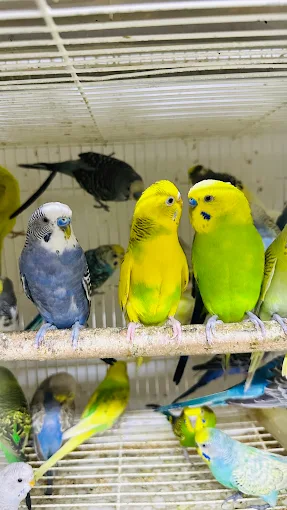
A budgie pair should only breed when both birds are mature, healthy, unrelated and correctly sexed. Pair bonding is also important because simply placing a male and female together does not create a reliable breeding pair.
Our Budgies (Budgerigars) – Adult, Assorted Colours & Size are sold as adult birds with assorted sex. Anyone planning breeding should confirm sex before setting up a pair.
Confirm Sex and Maturity
Male and female budgies can become sexually active before they are physically ready for responsible breeding.
Lafeber advises avoiding very young breeding hens because early breeding increases the risk of problems and failed clutches.
Avoid Related Budgies
Related budgies should not be deliberately bred.
If two birds came from the same family or their relationship cannot be established, breeding them introduces avoidable genetic risk. Lafeber specifically advises against allowing related budgies to reproduce.
Watch Pair Compatibility
A compatible pair may sit together, groom one another and feed each other.
Persistent chasing, biting or obvious stress suggests the pair may not be suitable for breeding.
Budgie Breeding in Qatar
Budgie breeding in Qatar works best in a calm indoor environment with stable conditions, good nutrition and minimal disturbance around the nest.
Keep breeding cages away from direct sunlight, strong heat, kitchen fumes and direct AC airflow. Air conditioning is common in Doha homes, so avoid placing the breeding cage directly beneath a cold vent.
What Should Breeding Budgies Eat?
Breeding budgies need more than a loose seed-only diet.
A suitable feeding plan should provide:
- Nutritionally balanced formulated food
- Species-appropriate seed as part of the diet
- Dark leafy greens and vegetables
- Clean drinking water
- Calcium support such as cuttlebone or mineral block
Lafeber warns that seed mix alone does not provide adequate nutrition for breeding parents and developing chicks.
For the broader daily diet, see our What Should Pet Birds Eat? guide. Our Bird Food & Treats range also contains bird feeding products for different dietary roles.
How Long Do Budgie Eggs Take to Hatch?
Budgie eggs normally hatch about 18 to 21 days after effective incubation starts.
Eggs in one clutch may hatch on different days because they are laid at intervals. The incubation period also applies to each egg separately.
Lovebird Breeding in Qatar
Lovebirds should be around two years old before being intentionally bred. Younger lovebirds may mate or lay eggs, but sexual activity does not mean the pair has reached safe breeding maturity.
We keep several lovebird types in our live-bird range.
Fischer Lovebirds
Our Blue Fischer Lovebirds are Agapornis fischeri. We also keep Green Fischer Lovebird – Adult . Blue and green Fischer Lovebirds are colour forms of the same species, so their core breeding-care requirements are similar.
Rosy-Faced Lovebirds
Our Rosy-Faced Lovebirds – Adult, Assorted Colours are Agapornis roseicollis. Rosy-Faced Lovebirds are a different species from Fischer Lovebirds.
Can Fischer and Rosy-Faced Lovebirds Breed Together?
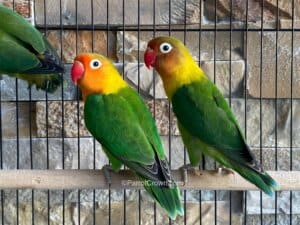
They can potentially produce hybrid offspring, but deliberate cross-species breeding is not recommended.
Lafeber advises against pairing Fischer Lovebirds with Peach-Faced or Rosy-Faced Lovebirds for breeding because they are separate lovebird species and their offspring would be hybrids.
What Cage and Nest Box Are Needed?
A breeding pair needs its own secure cage and a species-appropriate nest box. Multiple breeding pairs in one small enclosure can lead to territorial fighting, nest raids and chick losses.
Lafeber recommends one breeding pair per cage in typical captive breeding setups.
The enclosure should provide:
- Safe bar spacing
- Stable perches
- Clean food and water bowls
- Enough room for normal movement
- Easy cleaning access
- A quiet nest area
Our Bird Cage Qatar guide covers general cage size, shape and housing considerations.
We do not currently list a dedicated budgie or lovebird breeding box in our indexed range, so a standard cage should not be presented as a substitute for a proper nest box.
Where Should Breeding Birds Stay?
Keep breeding birds in a calm, private indoor area with stable conditions. Too much disturbance around the nest can affect breeding behaviour and incubation.
Avoid placing the cage near:
- Direct AC airflow
- Strong sunlight
- Kitchen smoke or fumes
- Loud speakers
- Busy doorways
- Areas with constant handling
Lafeber notes that breeding lovebirds need privacy and may abandon eggs when the nest area is disturbed repeatedly.
Why Do Eggs Fail to Hatch?
Budgie and lovebird eggs may fail because of infertility, immature parents, poor incubation, weak nutrition or repeated breeding.
Immature Parents
Young birds may mate but lack the maturity needed for reliable incubation and chick care.
Inconsistent Incubation
Eggs need steady incubation. If the parents repeatedly leave them long enough to cool, development can stop.
Poor Breeding Nutrition
Egg production and chick feeding place heavy demands on the parents, especially the hen.
First-Clutch Inexperience
A first clutch may fail even when eggs are fertile. Lafeber notes that inexperienced parents may struggle with incubation or feeding chicks.
How Often Should Birds Breed?
Budgies and lovebirds should not produce continuous clutches without recovery time.
Lafeber repeatedly recommends removing the nest box after a clutch and allowing about six months of rest before another breeding attempt, particularly when chicks have been raised.
After a clutch:
- Remove the nest box at the appropriate stage.
- Return the pair to normal non-breeding conditions.
- Maintain good nutrition.
- Allow adequate recovery.
- Do not immediately stimulate another clutch.
Repeated egg production can drain calcium and other nutrients from the female.
When Is an Avian Vet Needed?
Seek qualified avian veterinary care if a breeding bird shows:
- Persistent straining
- Severe weakness
- Loss of appetite
- Abnormal abdominal swelling
- Breathing difficulty
- Repeated excessive egg laying
- Sudden decline during laying
- Sick or failing chicks
Suspected egg binding requires professional assessment rather than home treatment.
Where to Get Budgies and Lovebirds in Qatar
At World of Birds in Souq Al Ali, Doha, we keep adult budgies, Fischer Lovebirds, Rosy-Faced Lovebirds and other cage birds.
Our birds are sold with assorted sex unless a specific sex is confirmed. An adult bird should also not be assumed to be a confirmed breeder or compatible breeding partner.
For wider species and ownership information, see our Pet Birds Qatar guide.
Frequently Asked Questions
What Age Should Budgies Breed?
Female budgies should be at least 18 months old, with closer to two years being safer, while males should be at least one year old. Physical maturity matters more than early mating behaviour.
How Long Do Budgie Eggs Take to Hatch?
Budgie eggs generally take about 18 to 21 days of proper incubation to hatch. Different eggs in one clutch may hatch on different days.
What Age Should Lovebirds Breed?
Lovebirds are safer to breed at around two years old. They can become sexually active earlier, but breeding too young increases the risk of failed clutches and reproductive problems.
How Long Do Lovebird Eggs Take to Hatch?
Lovebird eggs usually take around 18 to 24 days from the laying of each egg. The eggs may hatch several days apart because they are laid at intervals.
Can Fischer and Rosy-Faced Lovebirds Breed Together?
They can produce hybrids, but deliberate cross-species breeding is not recommended. Fischer and Rosy-Faced Lovebirds should remain separate breeding species.
How Often Should Budgies and Lovebirds Breed?
Breeding pairs need substantial recovery time between clutches. Removing the nest box and allowing about six months of rest helps prevent continuous breeding and unnecessary strain on the female.
Responsible Budgie Breeding Starts Early
Responsible budgie breeding in Qatar starts before a nest box is introduced. Mature birds, confirmed sex, unrelated pairs, balanced nutrition, safe housing and privacy all affect breeding success.
Lovebird breeding requires the same preparation. Fischer and Rosy-Faced Lovebirds should remain separate species for breeding, while every pair needs adequate recovery after a clutch.
At World of Birds, we keep adult budgies, Fischer Lovebirds, Rosy-Faced Lovebirds and bird-care supplies at our Souq Al Ali store in Doha. Browse our current Live Birds in Qatar and contact us about the species you are interested in before visiting.
Planning to visit us in Doha? Get directions to World of Birds in Souq Al Ali and check our current store details before you arrive.
