







Betta Fish Care in Qatar – Tank Setup, Diet and Common Mistakes to Avoid


Betta fish can live for around 3–5 years with proper care, but their small size can make them seem easier to keep than they really are. A suitable tank, stable warm water, gentle filtration, appropriate food, and regular maintenance are important for keeping a betta healthy.
Betta fish are tropical freshwater fish native to Thailand and other parts of Southeast Asia. They have a specialised labyrinth organ, which allows them to breathe air from the water’s surface in addition to using their gills. This does not mean they should be kept in small bowls; bettas generally do better in properly equipped aquariums with stable water conditions, suitable space, and access to the surface.
For betta fish in Qatar, temperature stability deserves particular attention. Air-conditioned homes can become considerably cooler than a betta’s preferred tropical water temperature, so using a heater and thermometer can help maintain a stable environment. A temperature around 24–28°C is a practical target for a betta aquarium.
At World of Birds Qatar, we stock Betta Fish Assorted at our Souq Al Ali store in Doha. You can check current availability through our Live Shipment collection. In this guide, we’ll cover betta fish tank setup, water temperature, filtration, diet, tank mates, maintenance, and common care mistakes, with practical tips for keeping bettas in Qatar.
Why Betta Fish Are So Popular in Qatar
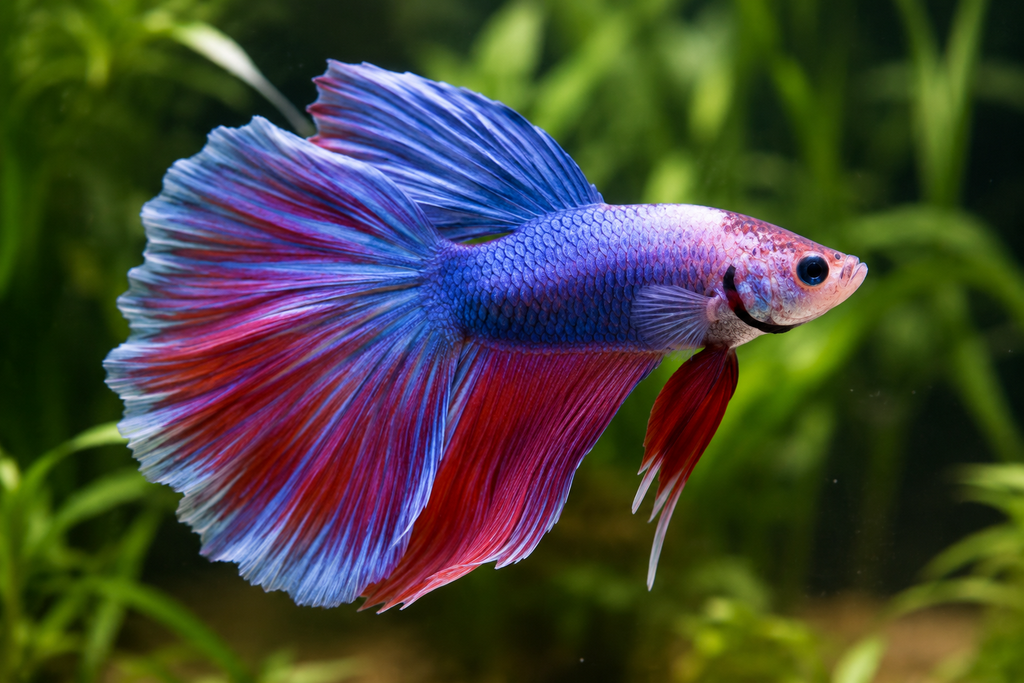
Ask many aquarium hobbyists in Qatar which fish they first considered keeping, and Betta Fish are likely to be among the popular answers. Their bright colours, flowing fins, compact size, and distinctive behaviour make them an appealing choice for both new and experienced fish keepers.
There is a practical reason for this. Qatar’s diverse expat communities include many people from countries across South and Southeast Asia where keeping tropical fish, including bettas, is a familiar hobby. For people living in Doha apartments or smaller homes, bettas can also seem like an attractive option because they do not require the space associated with larger aquarium fish.
Betta Fish are colourful, relatively easy to find, and popular as home and office aquarium pets. Their small size, however, can sometimes create the impression that they require very little care. In reality, they still need suitable water conditions, stable temperature, appropriate food, and regular aquarium maintenance.
At World of Birds Qatar, we stock Betta Fish Assorted at our Souq Al Ali store in Doha. We have been serving Qatar’s pet and aquarium community since 1985, providing live fish and aquarium supplies for different types of setups.
Betta Fish 101 – What You Need to Know Before Buying
Betta Fish (Betta splendens), also known as the Siamese fighting fish Qatar hobbyists commonly buy, are tropical freshwater fish native to the rice paddies, shallow streams, and flood plains of Thailand, Cambodia, and Vietnam. They breathe both through gills and directly from the air surface using a specialised labyrinth organ. Male bettas are highly territorial and must be kept alone or with carefully chosen, non-aggressive tank mates.
Males carry dramatic fins and vivid colours. Females are smaller, plainer, and can be kept in groups in a large enough tank. Most bettas sold in Qatar are males.
Browse Betta Fish now in stock at World of Birds to see current colour varieties available.
Male vs Female Betta – What Is the Difference?
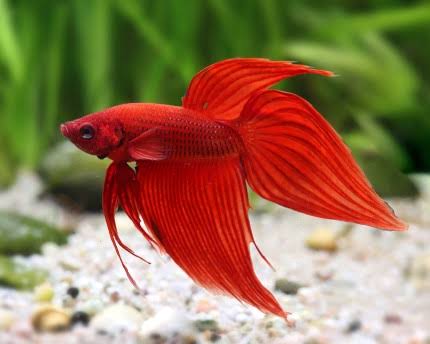
The difference is immediately visible. A male betta has long, flowing fins and vivid colouration across the body. A female has shorter fins and more muted colour, though some females show attractive patterns.
Males must be kept alone. No exceptions. Two males in the same tank will fight until one is dead or seriously injured. This is not aggressive behaviour in the usual sense. It is simply what they are. Generations of selective breeding have amplified this trait to the point where even seeing their own reflection in glass triggers a full threat display.
Female bettas are less aggressive but not fully peaceful. Keeping five or more females in a 60-litre planted tank with plenty of hiding spots can work, but it requires experience and careful monitoring. One female singled out by the others will be harassed continuously.
For a first betta fish Qatar, a single male in his own tank is the right choice. He will reward that setup with years of genuine character.
Betta Fish Tank Setup – What Your Betta Actually Needs
The bowl needs to go. Full stop.
A betta in a bowl is not a pet in a home. It is a fish in a waiting room. No filtration, no heating, no space. The question is never whether a betta can survive in a bowl. The question is how long before the damage becomes visible.
The Right Tank Size for a Betta Fish in Qatar
A single betta fish needs a minimum 20-litre tank. That is the baseline. Not a 5-litre vase. Not a decorative glass bowl. A proper rectangular aquarium, ideally wider than it is tall, because bettas swim horizontally and need surface access to breathe air.
Bigger is easier. A 40-litre tank takes longer to foul, maintains temperature more stably, and gives the fish genuine space to explore. In Qatar’s AC-cooled apartments where room conditions change dramatically between day and night, more water volume means more stability.
Filter and Heater – Two Things You Cannot Skip
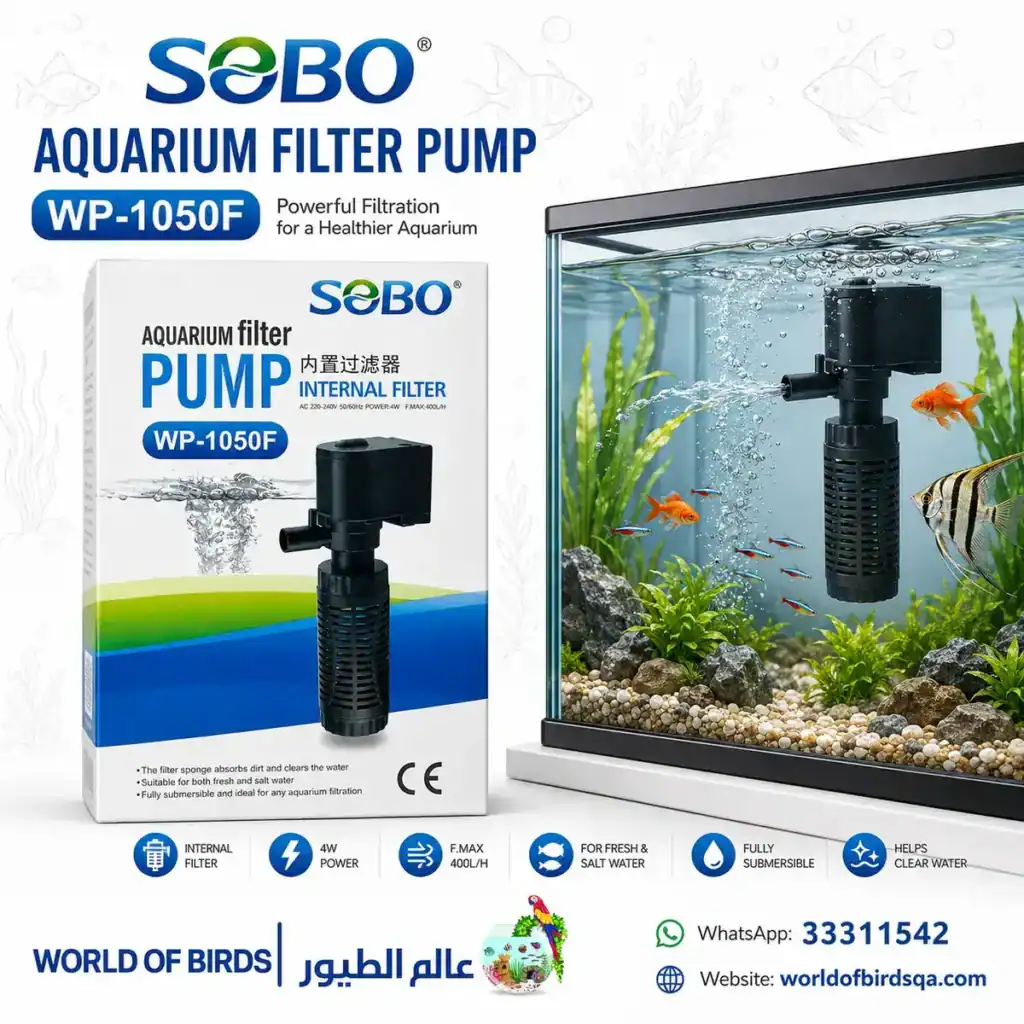
Filtration is non-negotiable. Without it, ammonia from fish waste accumulates to toxic levels within days in a small, unplanted tank. But the filter matters almost as much as having one. Bettas hate strong currents. Long fins make swimming against current exhausting, and a stressed betta is a sick betta.
Use a sponge filter or a hang-on-back filter with an adjustable flow. Set the flow to low. If the betta’s fins are constantly pushed sideways, the current is too strong. Find the right setup in our aquarium filters range.
The heater question is where Qatar setups go wrong most often.
Qatar’s air-conditioned rooms hold temperatures of 20 to 23°C during summer and can drop even lower in winter. Bettas need 24 to 28°C. Below 22°C, their immune system weakens, their appetite drops, and disease follows. A heater set to 26°C solves this completely. Browse our Aquariums and Stands to find the right tank and heater combination for your setup.
Décor, Plants, and Hiding Spots – Why They Matter
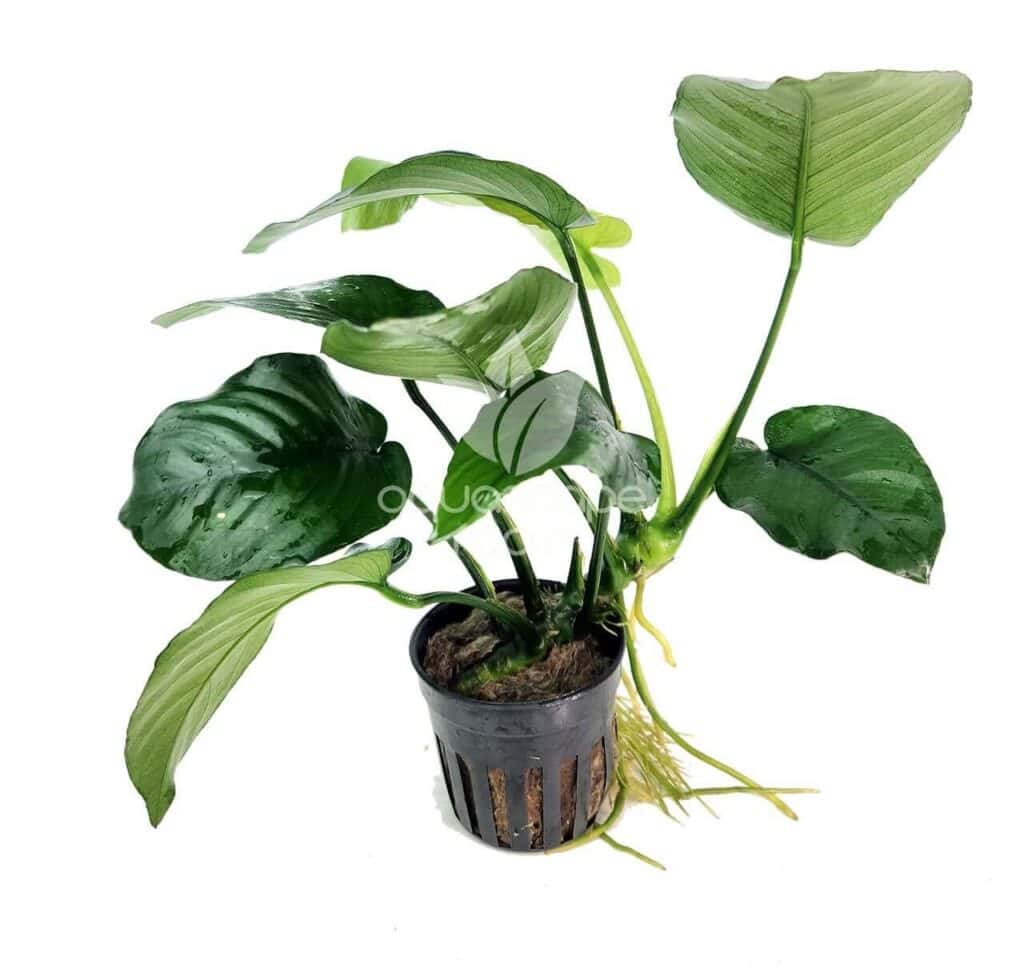
A betta in a bare tank is a bored betta. And a bored betta is an unhealthy one.
Picture this: two identical bettas, same age, same food, same water quality. One lives in a bare 20-litre tank. The other has Anubias attached to driftwood, a small cave, and a floating leaf hammock near the surface. The first sits at the bottom most of the day. The second flares at its reflection, builds bubble nests at the surface, and investigates every corner of the tank daily.
Plants, caves, and leaf hammocks are not decoration. They trigger natural behaviour. Add silk plants at minimum. Live plants are better. Both Anubias Nana and Amazon Sword from our live aquatic plants collection suit betta tanks well, tolerate low light, and need no CO2.
Avoid sharp plastic decorations. Betta fins tear easily on jagged edges and torn fins rot in poor water.
Betta Fish Water Temperature and Parameters in Qatar
Get the water right and half your betta problems disappear.
The ideal water parameters for a betta fish are: temperature 24 to 28°C, pH 6.5 to 7.5, ammonia 0 ppm, nitrite 0 ppm, nitrate below 20 ppm. Stability matters more than hitting an exact number. A tank that holds 26°C every day is better than one that fluctuates between 22 and 29°C depending on whether the AC is running.
Why Qatar’s Air Conditioning Is a Hidden Risk for Betta Fish
Qatar’s summer AC runs continuously, often cooling rooms to 20 to 21°C overnight. In winter, Doha nights can drop to 15°C. Both scenarios push an unheated betta tank below the fish’s critical temperature threshold.
Below 22°C, a betta’s immune system stops functioning normally. A reliable aquarium heater set to 26°C and a separate stick-on thermometer to verify accuracy costs very little. It is the single most important purchase a Qatar betta keeper can make.
Treating Doha Tap Water for Your Betta Tank
Doha tap water contains chlorine and chloramines added during municipal treatment. Both are harmful to fish and both destroy the beneficial bacteria that make a cycled filter work.
Never add tap water directly to a betta tank. Treat it first. A water conditioner neutralises chlorine and chloramines instantly. Add it to the new water before it goes into the tank, not after. Find the right products in our Fish Care and Water Care section.
Change 25% of the tank water weekly. Use a small siphon to remove waste from the substrate at the same time.
Betta Fish Diet in Qatar – What to Feed and How Often
Bettas are carnivores. They did not evolve eating flakes ground from plant material. Their digestive system is built for protein, and the diet you feed directly determines the colour, energy, and lifespan of the fish.
Browse fish food available at World of Birds to find betta-appropriate options currently in stock.
Betta Pellets – The Staple Food Every Qatar Owner Needs
High-quality betta pellets should form 70 to 80% of the diet. Look at the ingredients label. The first ingredient should be whole fish meal, shrimp meal, or krill. If the first ingredient is wheat flour, corn meal, or soy, the pellet is mostly filler. Feed 3 to 5 pellets per meal. That is it. The fish’s stomach is roughly the size of its eye. It does not need more.
Remove uneaten pellets within 2 minutes using a small net or turkey baster. Uneaten food sinks, rots, and pushes ammonia up fast in a small tank.
Treat Foods – Bloodworms, Brine Shrimp, and Daphnia
Two to three times per week, replace one pellet meal with a treat food. Frozen bloodworms and frozen brine shrimp are the best options for Qatar betta keepers. Both are available at World of Birds. Both dramatically improve colour and encourage natural hunting behaviour.
Thaw frozen food in a small cup of tank water for two minutes before feeding. Never drop a frozen cube directly into the tank. The sudden temperature drop stresses the fish.
How Often to Feed a Betta Fish
Once or twice daily. One feeding in the morning, one in the evening if you choose twice.
Fast the fish one day per week. This is not neglect. It gives the digestive system time to clear, prevents chronic bloating, and mirrors the natural fish feeding patterns of wild bettas which do not eat every day.
Overfeeding is the second most common cause of betta fish death in Qatar after the bowl. Most people kill their fish with kindness.
Betta Fish Tank Mates – Which Fish Are Safe in Qatar?
Not every betta wants company. This is the variable that trips up intermediate keepers who assume a well-planted community tank will automatically work.
Some bettas are calm enough to share a tank with small, peaceful species. Others attack anything that enters their territory, including snails and their own reflection. You cannot tell which type you have until you try. Always have a backup plan, a spare tank or a divider, before adding any tank mate.
Browse freshwater fish available in Qatar to see what community fish are currently in stock at World of Birds.
Fish That Can Live With a Betta in Qatar
Three species work reliably as betta tank mates when introduced carefully into a large enough tank (minimum 40 litres) with plenty of plants and hiding spots:
- Corydoras catfish stay at the bottom of the tank and move too quickly for most bettas to harass. They ignore each other completely in most setups. A group of four to six Corydoras in a 40-litre planted tank with a betta is one of the most reliable community combinations in the hobby.
- Small Tetras (Neon Tetras, Ember Tetras) work in larger tanks with calm bettas. Choose plain-coloured, short-finned varieties. Brightly coloured or long-finned Tetras can trigger aggression. Fast-moving schooling fish are harder for a betta to target.
- Zebra Danios are fast enough that most bettas cannot catch them, but avoid pairing them with long-finned betta varieties. Danios are quick but they are also fin-nippers when kept in groups smaller than six.
Fish You Must Never Keep With a Betta
No exceptions on this list. Not sometimes. Not with a divider as a trial. Never.
Tiger Barbs are confirmed fin-nippers. A group of Tiger Barbs will shred a betta’s fins within hours. We see this at our store when customers come back with damaged fish and describe their tank setup.
Other male bettas will fight to serious injury or death. Always. Without exception.
Goldfish need cooler water (15 to 22°C) and produce enormous amounts of ammonia waste. Wrong temperature, wrong bioload, wrong combination.
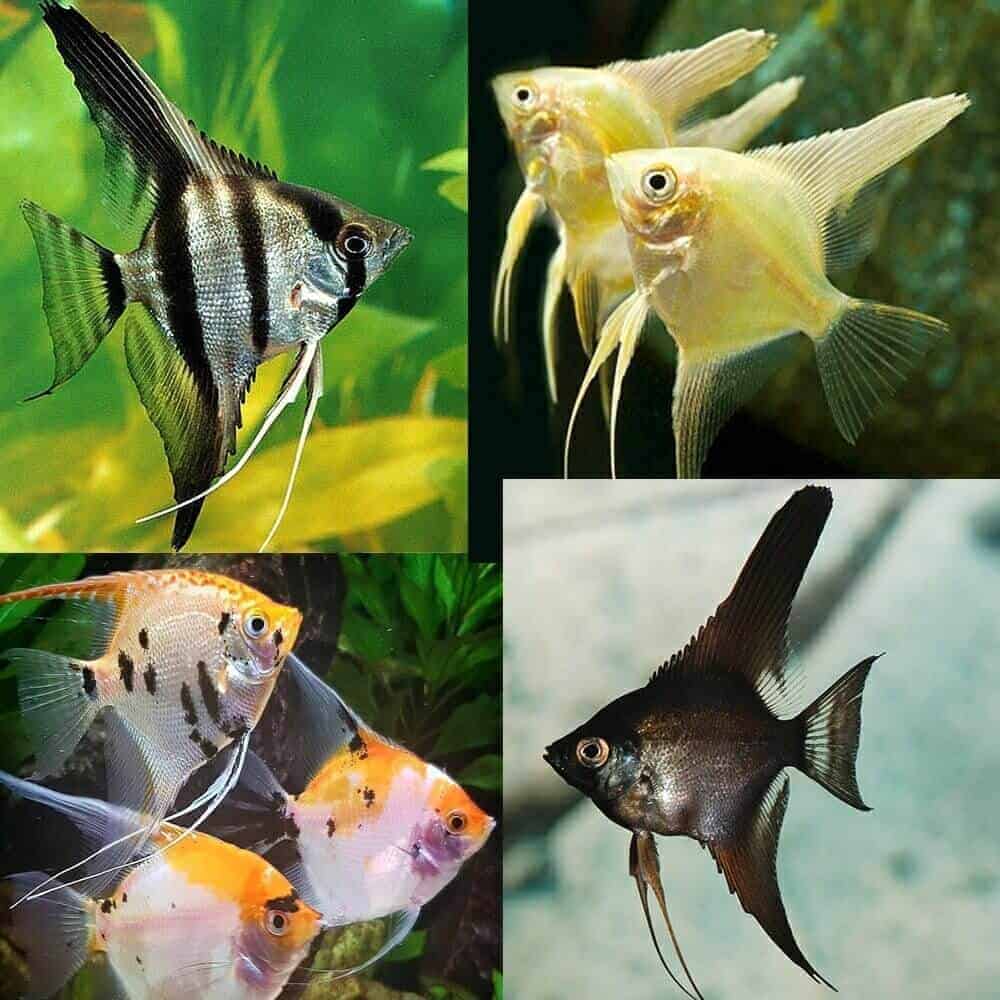
Angelfish have long trailing fins that trigger aggression in most bettas, and they are large enough to stress or injure a betta in return.
Common Betta Fish Diseases in Qatar and How to Prevent Them
Prevention is simpler than treatment. Every disease on this list is almost entirely preventable with correct tank setup and water maintenance.
Browse fish health and water care products at World of Birds for treatment and preventative care options.
Fin Rot – The Most Common Betta Problem in Qatar
Fin rot is exactly what it sounds like. The fin tissue breaks down, starting at the edges, leaving ragged, discoloured borders that progress toward the body if untreated.
Cause: Poor water quality. Ammonia and nitrite in the water damage fin tissue and create the conditions for bacterial infection. In Qatar, this typically happens in small, unfiltered tanks or in tanks where water changes have been skipped.
Prevention: Weekly 25% water changes, a correctly sized and cycled tank, and gentle filtration. This alone prevents fin rot in the vast majority of cases.
Treatment: Improve water quality first, before adding any medication. A 30% water change, removal of uneaten food, and correct temperature often reverse early-stage fin rot without treatment.
Ich (White Spot) – The Qatar AC Risk
Small white spots across the body and fins, resembling grains of salt water fish. The fish scratches against décor or the substrate. Breathing becomes laboured as gills are affected.
Cause: Ichthyophthirius multifiliis, a parasite that thrives when fish are stressed by temperature drops. This is directly relevant to Qatar setups. A betta tank without a heater that drops to 20°C overnight during winter is exactly the condition that triggers ich outbreaks.
Prevention: Stable temperature at 26°C, maintained by a reliable heater. Quarantine any new fish for two weeks before adding to an established tank.
Treatment: Raise tank temperature to 28°C gradually over 48 hours. Add an ich treatment medication. Maintain for the full treatment cycle recommended on the product.
Velvet – The Invisible Disease
Velvet is harder to spot than ich and more dangerous because it spreads faster.
Cause: Oodinium pilularis, a parasite that produces a fine gold or rust-coloured dust across the fish’s body. The fish rubs against surfaces constantly. In low light, the dusty sheen is visible when a torch is shone on the fish from the side.
Prevention: Stable temperature, clean water, and quarantining new fish before adding to an established tank. Velvet spreads rapidly in tanks with multiple fish.
Treatment: Dim or turn off the tank light for the treatment period (the parasite requires light to complete its lifecycle). Add a velvet-specific treatment. Remove carbon from the filter during treatment as carbon absorbs medication.
Swim Bladder Disease – The Overfeeding Problem
The fish floats sideways near the surface or sinks to the bottom and cannot maintain position. It struggles to swim normally.
Cause: Almost always overfeeding or feeding dry pellets that expand in the stomach before fully absorbing water. Constipation presses against the swim bladder and disrupts its function.
Prevention: Feed correctly, fast one day per week, and pre-soak dry pellets in tank water for 30 seconds before feeding. The pellets absorb water outside the fish rather than inside.
Treatment: Fast the fish for 3 days. Feed a small piece of blanched, deshelled frozen pea on day 3. Most mild cases resolve within a week.
The Most Common Betta Fish Mistakes in Qatar – and How to Avoid Them
Forty-one years of selling Betta Fish at Souq Al Ali gives you a clear picture of the mistakes Qatar owners make. These six come up again and again.
Mistake 1 – Keeping a Betta in a Bowl
The bowl is the number one killer of betta fish Qatar owners bring home.
No filtration, heating. Water volume is too small to stay stable. Ammonia builds within 24 hours of the fish entering. Temperature drops overnight. The fish declines slowly while the owner assumes everything is fine because it is still alive.
Mistake 2 – Not Using a Heater in Qatar
This mistake is unique to Qatar’s climate and almost nobody talks about it.
Qatar owners assume the room is warm enough. In summer, maybe it is. But the AC runs at 20 to 21°C continuously. Winter nights in Doha drop the room to 15°C. The betta’s immune system shuts down below 22°C. The fish stops eating. Fin rot follows. Most owners never connect the sickness to the temperature.
Mistake 3 – Overfeeding
Picture this: a new betta owner, eager to see the fish eat, drops 10 pellets into a 10-litre tank. The fish eats 4. The other 6 sink, rot overnight, and push ammonia to toxic levels by morning. The fish is lethargic the next day and the owner feeds more, assuming hunger is the problem.
Mistake 4 – Keeping Two Males Together
Two male bettas in the same tank is not an experiment. There is no outcome where both fish are fine.
Fix: One male betta per tank. No exceptions. Female bettas can sometimes be grouped, but male bettas cannot share a tank with any other male betta under any circumstances.
Mistake 5 – Skipping the Water Conditioner
Doha tap water contains chlorine and chloramines. Adding untreated tap water to a betta tank does not kill the fish dramatically. It weakens the fish slowly, destroys the beneficial bacteria in the filter, and creates conditions for disease.
Fix: Treat every drop of tap water with a water conditioner before it enters the tank. Keep a bottle next to the tank so it is part of the routine automatically.
Mistake 6 – Buying the Fish Before the Tank Is Ready
The most avoidable mistake on this list. The fish comes home in a cup. The owner has no tank yet, or has a tank that was filled with untreated water an hour ago. The fish goes into an uncycled, potentially toxic environment from day one.
For help choosing fish to pair with your betta, read our freshwater aquarium fish guide for Qatar, which covers all species currently available at World of Birds.
Betta Fish Lifespan – How Long Can They Live With Proper Care?
A healthy betta fish lives 3 to 5 years with correct care. Some reach 6 years. Most bettas sold in Qatar do not reach 2 years, not because betta fish are fragile, but because the setup is wrong from day one.
What shortens betta lifespan: bowls, unheated tanks, overfeeding, poor water quality, stress from wrong tank mates, and untreated tap water. Every single item on that list is preventable.
What extends it: a heated filtered tank of 20 litres or more, betta-specific pellets supplemented with frozen treats, weekly 25% water changes, enrichment through plants and hiding spots, and stable water temperature at 26°C.
We have had customers at our Souq Al Ali store return three or four years after buying a betta, looking for a replacement because their first one finally passed. Those customers always bought the right setup from the start. That is not a coincidence.
Where to Buy Betta Fish in Qatar – World of Birds, Souq Al Ali
World of Birds has been selling Betta Fish in Qatar since 1985. Our Souq Al Ali store stocks Betta Assorted with a range of colour varieties across Veiltail, Crowntail, and Halfmoon fin types. Stock changes with each shipment.
We stock everything needed for the complete betta setup in one visit: tanks, filters, heaters, water conditioners, fish food, live plants, and décor. You do not need to order from multiple places or wait for international delivery.
The fastest way to check current betta availability is WhatsApp. Message us on 33311542 and we confirm what is in stock before you travel. Browse our live fish collection online to see current stock.
Frequently Asked Questions About Betta Fish Qatar
Question: Where can I buy betta fish in Qatar?
Answer: World of Birds at Souq Al Ali, Doha stocks Betta Fish Assorted with a range of colour varieties. Visit the store or contact us on WhatsApp at 33311542 to check current availability before travelling.
Question: Can betta fish live in a bowl in Qatar?
Answer: No. A bowl has no filtration, no heating, and insufficient water volume. In Qatar’s AC-cooled rooms, a bowl also drops to dangerously cold temperatures overnight. A minimum 20-litre heated, filtered tank is required for a healthy betta.
Question: What temperature do betta fish need in Qatar?
Answer: Betta Fish need water temperature between 24 and 28°C. Qatar’s indoor AC rooms typically maintain 20 to 23°C, which falls below the betta’s comfort range. A reliable aquarium heater set to 26°C is essential in every Qatar betta setup.
Question: How long do betta fish live in Qatar?
Answer: With correct care, a heated filtered tank, quality diet, and weekly water changes, a Betta Fish lives 3 to 5 years. Without proper care, most bettas in Qatar survive less than 6 months.
Question: What fish can live with a betta fish in Qatar?
Answer: Peaceful, small, non-fin-nipping fish suit betta community tanks in Qatar. Corydoras catfish, small Tetras, and Zebra Danios work well in tanks of 40 litres or more. Never keep two male Bettas together, and avoid Tiger Barbs, Goldfish, and Angelfish as tank mates.
Ready to Set Up the Perfect Betta Tank? Visit World of Birds Qatar
A betta kept correctly is one of the most rewarding fish in the hobby. Personality, colour, curiosity, and a lifespan of 3 to 5 years. The setup is simpler than most guides make it sound.
Heated filtered tank. Quality food. Weekly water change. That is genuinely most of it.
Browse Betta Fish now in stock at World of Birds, or message us on WhatsApp at 33311542 to check today’s availability before visiting. We are at Souq Al Ali, Doha. Qatar’s oldest pet and aquatic store, open since 1985.
