







How Much Protein Do Cats Need? A Practical Cat Food Guide

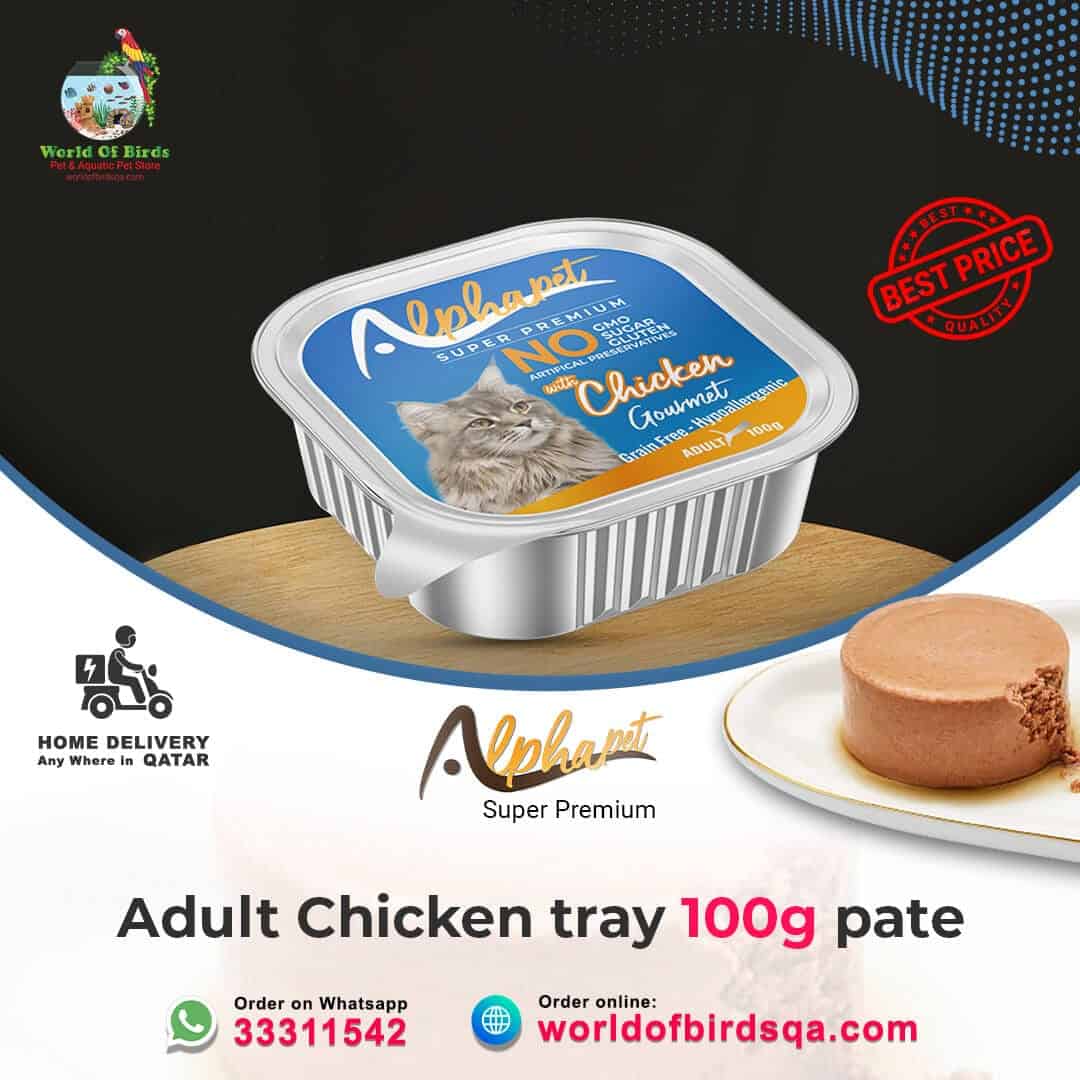
How much protein do cats need? Adult cats need at least 26% crude protein on a dry-matter basis under AAFCO adult-maintenance profiles, while growing kittens need at least 30%. These are minimum nutrient levels, not a target that every cat should receive. Protein quality, amino acids, calories and life stage also matter.
At World of Birds in Souq Al Ali, Doha, we stock cat food for kittens and adult cats, including dry and wet formulas with different protein levels. We use the product’s life-stage information and nutritional details as practical references when discussing everyday cat food with owners across Qatar.
This guide explains how much protein cats need, why cats require protein, how kitten and adult requirements differ, and how to read the protein percentage on a cat-food label.
Key Takeaways
- Adult cats have a minimum AAFCO crude-protein level of 26% dry matter.
- Growing kittens and cats used for reproduction have a minimum of 30% dry matter.
- Protein needs vary with age, activity, health, protein quality and energy intake.
- Cats require specific amino acids, including taurine.
- A higher protein percentage does not automatically mean better food.
- Wet and dry food percentages cannot be compared directly without considering moisture.
- Complete and balanced nutrition matters more than protein percentage alone.
- Kittens need a growth-formulated diet rather than ordinary adult maintenance food.
How Much Protein Do Cats Need?
Adult cats need at least 26% crude protein on a dry-matter basis according to AAFCO adult-maintenance profiles. Growing kittens need at least 30% on a dry-matter basis. These figures describe minimum nutritional requirements and should not be treated as the ideal protein level for every individual cat.
Protein provides amino acids and nitrogen needed for body tissues and normal physiological functions. Cats also have specific amino-acid requirements that differ from dogs.
Adult Cats
For adult maintenance, the AAFCO profile lists: Minimum crude protein: 26% dry matter
This does not mean every adult cat should eat exactly 26% protein. The appropriate diet depends on the complete nutritional formulation.
Kittens
Growing kittens have higher nutritional demands because they are building muscle, organs, bones and other tissues.
AAFCO’s growth and reproduction profile lists: Minimum crude protein: 30% dry matter
Merck Veterinary Manual also states that growing kittens are more sensitive to protein quality and amino-acid balance than adult cats.
Why Do Cats Need Protein?
Cats need dietary protein because amino acids from protein support muscle, tissue maintenance, enzymes, hormones and other essential body functions. Cats also require specific amino acids that must be supplied adequately through their diet.
Unlike humans, cats have evolved with nutritional requirements that make animal nutrition particularly important.
Protein Provides Amino Acids
Protein is broken down into amino acids during digestion.
These amino acids help the body:
- Maintain muscle tissue
- Build and repair cells
- Produce enzymes
- Produce hormones
- Support immune functions
- Maintain normal body structures
Protein can also provide energy when required. Merck Veterinary Manual explains that dietary protein supplies essential amino acids and nitrogen for the synthesis of other compounds in the body.
Taurine Is Essential for Cats
Taurine is an essential nutrient for cats and must be supplied through an appropriate diet. Taurine deficiency can cause serious problems, including retinal degeneration and dilated cardiomyopathy.
This is one reason we do not recommend judging cat food by crude protein percentage alone.
A food can display a high protein number while still requiring assessment of the complete nutrient profile.
Do Kittens Need More Protein?
Yes. Kittens have higher nutritional demands during growth and require a diet formulated for development. AAFCO’s minimum crude-protein level for growth and reproduction is 30% dry matter, compared with 26% for adult maintenance.
Growing kittens also need appropriate energy, fat, vitamins, minerals and amino-acid balance.
Kitten Food vs Adult Food
| Factor | Kitten Food | Adult Cat Food |
| Primary purpose | Growth | Maintenance |
| AAFCO minimum crude protein | 30% dry matter | 26% dry matter |
| Energy needs | Higher | Lower than growth needs |
| Nutrient balance | Growth-focused | Maintenance-focused |
| Suitable for growing kittens | Yes, when complete | Not necessarily |
For Qatar cat owners, our kitten food guide in Qatar covers growth nutrition, feeding frequency and age-based feeding in more detail.
Is More Protein Always Better for Cats?
No. A higher protein percentage does not automatically make a cat food better. The complete formula, protein quality, amino-acid profile, energy density and suitability for the cat’s life stage all matter.
A cat food containing 40% crude protein is not automatically better than one containing 30%.
The label number must be interpreted alongside the rest of the diet.
Protein Quality Matters
Merck notes that protein requirements depend on factors including age, activity level, health status and protein quality. Protein digestibility also varies between diets.
Therefore, two foods with similar crude-protein percentages can still differ in nutritional value.
Calories Matter Too
Protein does not exist separately from the rest of the diet. If a food is very energy-dense, a cat may eat less of it each day. The diet must still provide enough essential nutrients within the amount the cat consumes.
Merck also notes that protein can be used as an energy source when sufficient energy is not supplied by fat or carbohydrates.
How Do You Read Protein on Cat Food?
The protein percentage on a cat-food label is usually listed as crude protein on an as-fed basis, so wet and dry foods should not be compared directly using that number alone. Moisture changes the percentage shown on the label.
For example, a wet food may show a lower protein percentage than dry kibble because much of its weight comes from water.
As-Fed vs Dry Matter
Dry-matter comparison removes the water from the calculation.
Use this formula: Dry matter protein % = As-fed protein % ÷ (100 − moisture %) × 100
For example, if a wet food contains:
- Protein: 10%
- Moisture: 78%
Then: 10 ÷ (100 − 78) × 100 = 45.5% protein on a dry-matter basis
This does not mean the wet food contains more protein by weight than the dry food. It simply puts the percentages on a comparable moisture-free basis.
How Much Protein Is in Cat Food?
The protein level varies considerably between cat-food formulas, so the label must be checked for the individual product. World of Birds stocks formulas with different protein levels for adult cats and other life stages.
For example, our current product information lists:
| Product | Listed Protein | Life Stage |
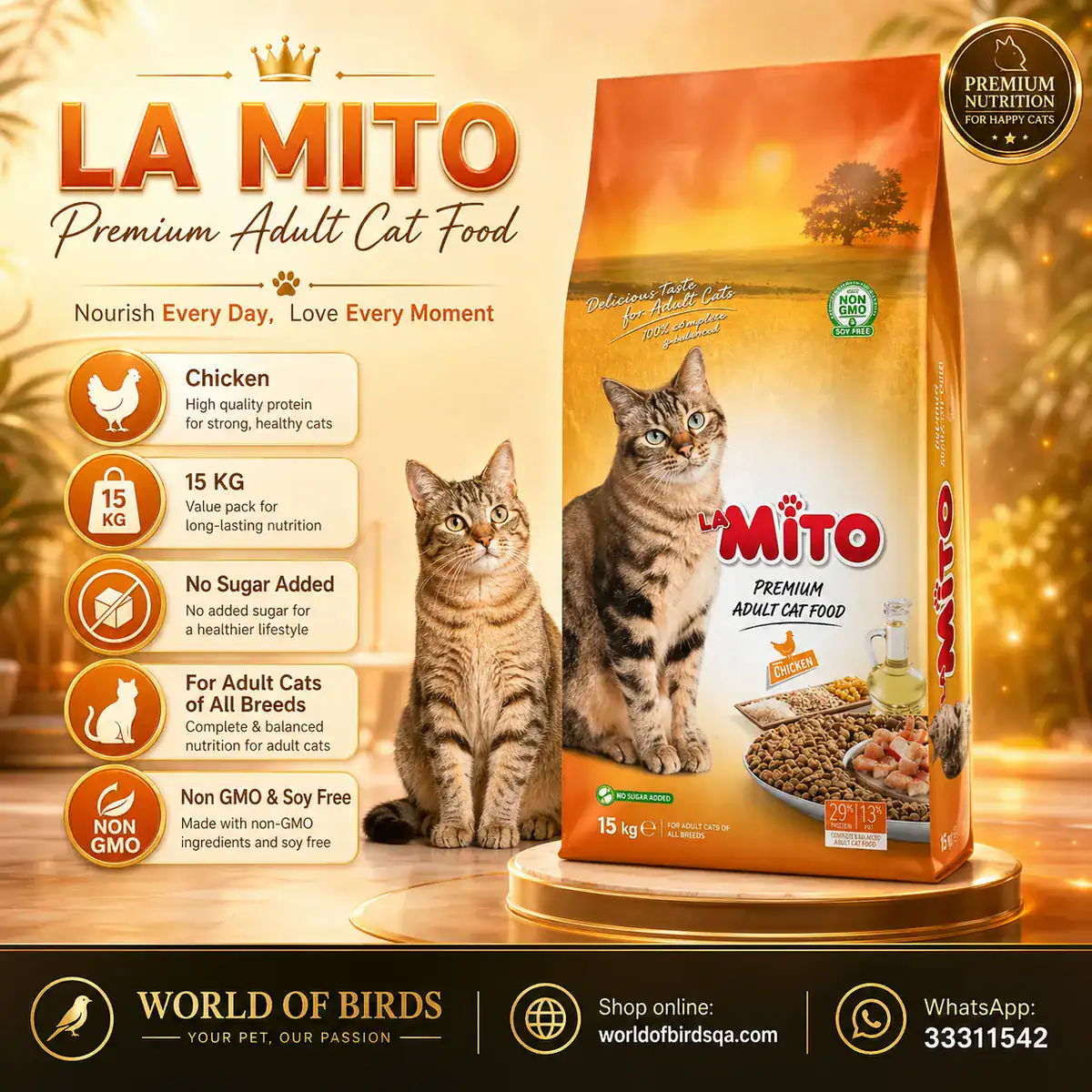
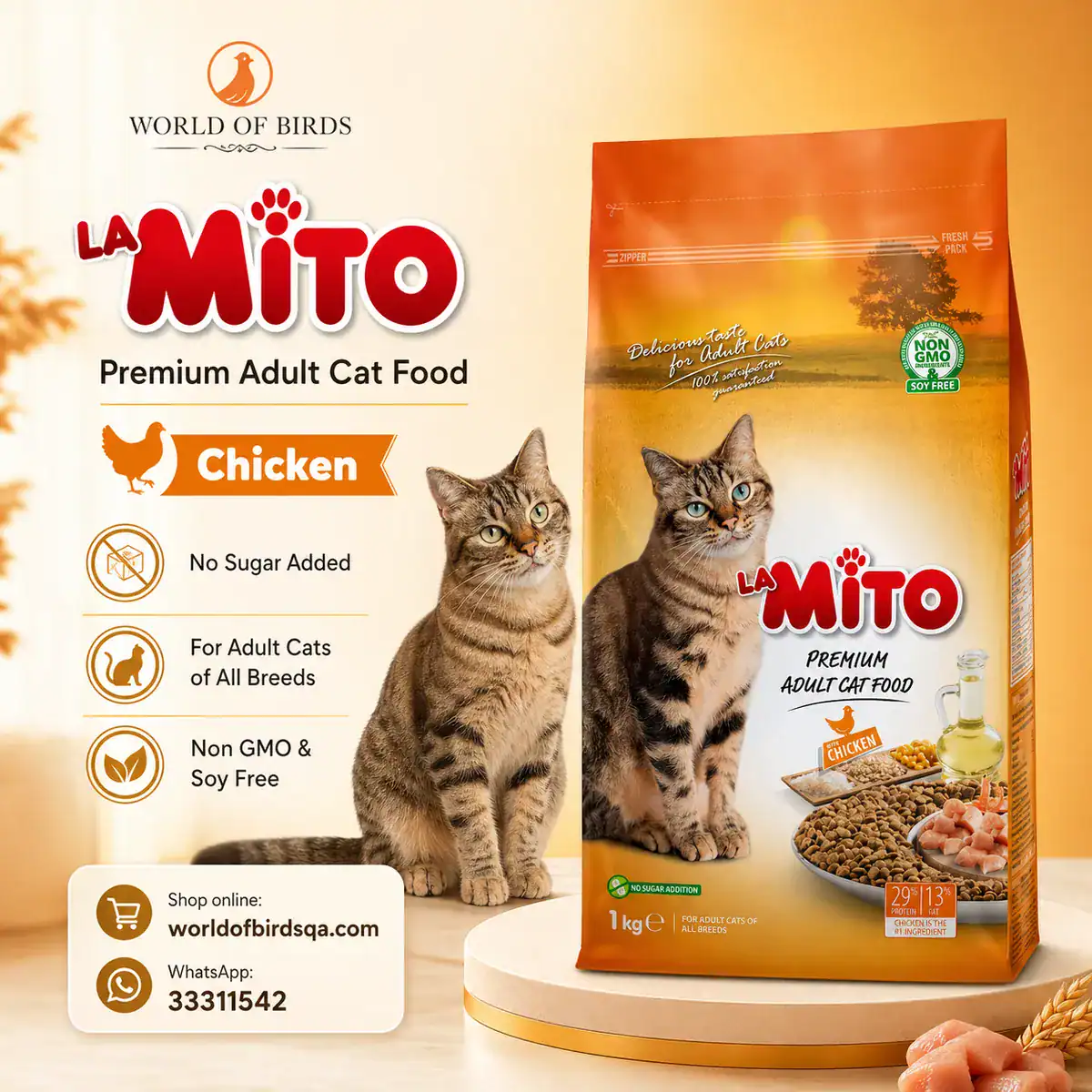
| La Mito Cat Food with Chicken 1kg | 29% | Adult |
| Mito Cat Food with Chicken 15kg | 29% | Adult |
| Homie Premium Adult Chicken 15kg | 28% | Adult |
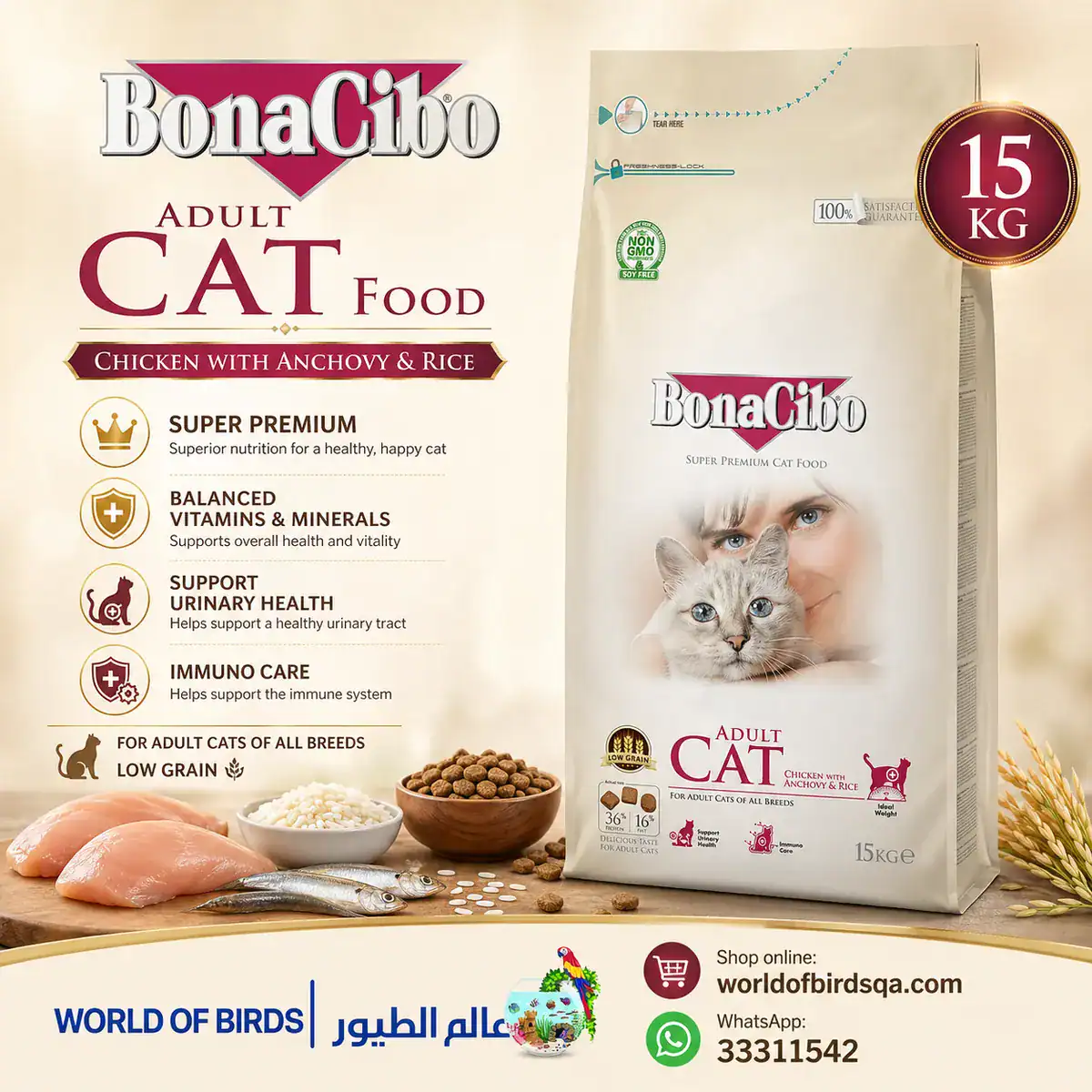
| BonaCibo Chicken, Anchovy & Rice 15kg | 36% | Adult |
These figures are product-label values and should not be interpreted as a complete nutritional assessment.
La Mito Chicken Cat Food
Our La Mito Cat Food with Chicken 1kg is listed with 29% protein and is formulated for adult cats.
The product information also lists taurine, vitamins, minerals, omega fatty acids and prebiotic support.
Mito Chicken Cat Food
Our Mito Cat Food with Chicken 15kg is also listed with 29% protein for adult cats.
Its product information lists chicken protein, taurine, omega fatty acids, vitamins, minerals and prebiotic ingredients.
BonaCibo Low-Grain Adult Food
Our BonaCibo Adult Cat Food Chicken with Anchovy & Rice is listed with 36% protein and is formulated for adult cats.
The higher protein percentage does not by itself establish that it is better for every cat.
Wet vs Dry Cat Food Protein
Wet and dry cat-food protein percentages should be compared on a dry-matter basis because wet food contains substantially more water. Looking only at the number printed beside “crude protein” can produce a misleading comparison.
Wet food can also contribute more dietary water.
Our wet cat food guide for Qatar covers wet-food textures, moisture and feeding considerations for Qatar households.
Why Wet Food Looks Lower in Protein
A wet food may contain 8–12% crude protein as fed. That number can look low beside dry kibble showing 28–35%.
However, much of the wet food’s weight is water. The dry-matter calculation provides a fairer comparison.
Why Dry Food Looks Higher
Dry kibble contains much less water. Therefore, protein makes up a larger percentage of its total weight.
This does not automatically mean the dry food provides more usable protein for the individual cat.
What Should You Look for in Cat Food?
A suitable cat food should provide complete and balanced nutrition for the cat’s life stage, rather than focusing only on the protein percentage. AAFCO describes “complete” as containing required nutrients and “balanced” as providing them in appropriate ratios.
When we assess a cat-food product at World of Birds, useful label points include:
- Life-stage suitability
- Nutritional adequacy
- Crude protein
- Crude fat, Fibre
- Moisture
- Calorie information
- Feeding instructions
- Ingredient information
- Manufacturer information
Check the Life Stage
A kitten needs growth nutrition. An adult cat needs maintenance nutrition.
A senior cat may also have individual health considerations that require veterinary input.
Complete and Balanced Nutrition
Protein percentage alone cannot confirm nutritional adequacy.
A complete diet should provide the essential nutrients required for the stated life stage.
Consider the Whole Formula
Protein should be assessed alongside:
- Fat
- Essential amino acids
- Vitamins
- Minerals
- Energy density
- Digestibility
- Moisture
- Life-stage suitability
WSAVA also recommends looking beyond marketing language and reviewing nutritional adequacy, manufacturer information and quality-control practices.
Can Senior Cats Eat High-Protein Food?
Senior cats do not automatically need a low-protein diet, and protein restriction should not be applied without considering the cat’s health. Older cats can experience reduced ability to digest protein and fat, while individual medical conditions may require a specific nutritional plan.
For healthy senior cats, maintaining muscle and body condition remains important.
Also cats with kidney disease or another diagnosed condition, dietary protein should be discussed with a veterinarian.
Protein and Kidney Disease
Do not assume that every senior cat needs less protein.
Kidney disease is a medical condition with specific dietary considerations. A veterinarian may recommend a therapeutic diet based on kidney function and other clinical findings.
This is different from simply buying a food with a lower protein percentage.
How Much Protein Does an Indoor Cat Need?
An indoor adult cat still needs adequate protein for normal maintenance, even when its activity level is lower. Indoor living can reduce energy expenditure, but it does not remove the cat’s requirement for essential nutrients.
Merck notes that protein requirements vary with age, activity level, temperament, life stage, health status and protein quality.
Portion Size Still Matters
A high-protein food can still contribute excess calories if the portion is too large.
For indoor cats in Doha, we recommend following the product’s feeding guidance and monitoring body condition rather than increasing food simply because the protein percentage is high.
Our dry cat food guide for Qatar covers feeding amounts, dry-food labels and storage considerations.
Frequently Asked Questions
How much protein does an adult cat need?
Adult cats need at least 26% crude protein on a dry-matter basis under AAFCO’s adult-maintenance nutrient profile. This is a minimum requirement, not a universal ideal target. The appropriate amount depends on the complete diet, protein quality, calories, life stage and the individual cat.
How much protein does a kitten need?
Growing kittens need at least 30% crude protein on a dry-matter basis under AAFCO’s growth and reproduction profile. Kittens also require appropriate energy, amino acids, vitamins and minerals for growth, so kitten food should be formulated specifically for development.
Is 30% protein enough for a cat?
A 30% protein figure may meet the minimum AAFCO level for an adult cat’s dry-matter diet, but protein percentage alone does not determine whether a food is suitable. The full nutritional formulation, life stage, amino-acid balance and energy density also matter.
Is high-protein cat food better?
High-protein cat food is not automatically better for every cat. Protein quality, digestibility, amino-acid balance, calories and complete nutritional formulation all matter. A food with a lower protein percentage can still provide appropriate nutrition when properly formulated.
Do older cats need more protein?
Older cats do not automatically need less protein, and some may benefit from highly digestible protein to help maintain body condition. Cats with kidney disease or other medical conditions may require a veterinarian-guided diet based on their individual health status.
How do I compare protein in wet and dry cat food?
Compare protein on a dry-matter basis rather than comparing the label percentages directly. Wet food contains much more water, so its as-fed protein percentage can appear lower than dry food. Use the dry-matter formula to make a more meaningful comparison.
Does protein help cats maintain muscle?
Yes, dietary protein supplies amino acids needed for maintaining and renewing body tissues, including muscle. Adequate protein must be combined with sufficient energy and a balanced diet to support normal body maintenance.
How Much Protein Do Cats Need? Final Answer
How much protein do cats need? Adult cats need a minimum of 26% crude protein on a dry-matter basis under AAFCO adult-maintenance profiles, while growing kittens need at least 30%. These numbers are minimum standards, not universal targets for every cat.
The most useful approach is to look beyond the protein number. Life stage, protein quality, amino-acid balance, calories, moisture and complete nutritional adequacy all affect whether a food fits an individual cat.
At World of Birds in Souq Al Ali, Doha, we stock dry and wet cat foods for different life stages and feeding needs. Our current range includes options such as La Mito Cat Food,Homie cat food and BonaCibo Adult Cat Food. For broader options, browse our cat food range in Qatar.
Visit World of Birds in Souq Al Ali, Doha or contact our team with your cat’s age, weight, current food and feeding routine. We can help you check the available formulas and their nutritional information before purchase.
