






Essential Bird Feeding Accessories: Every Bird Owner in Qatar Should Have

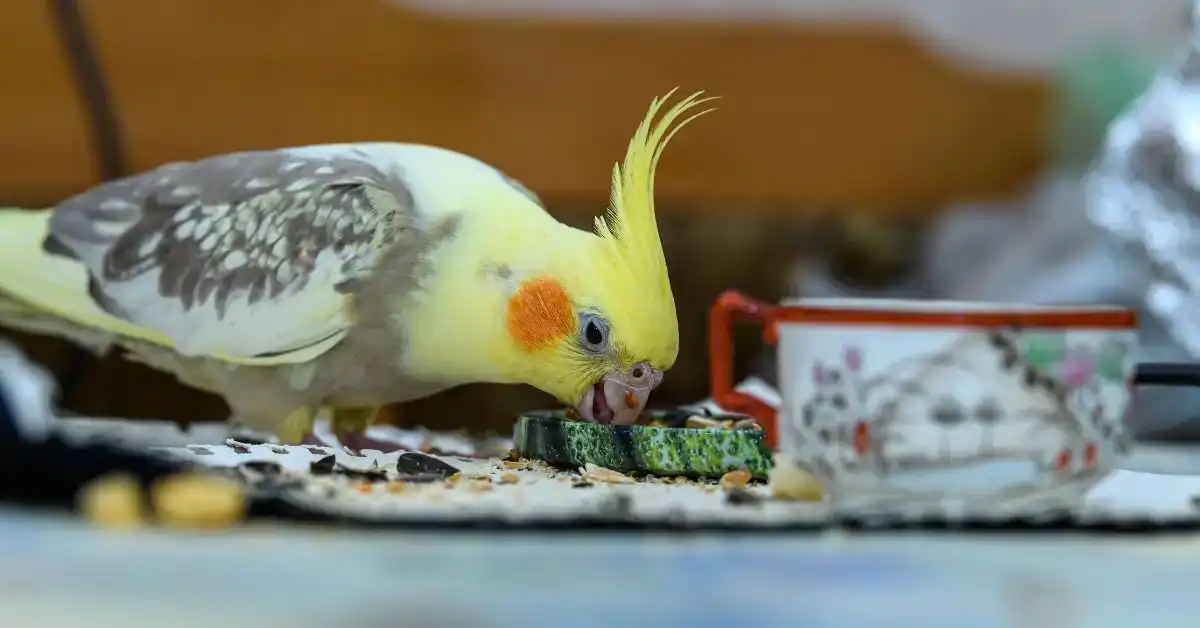
Wrong food, feeder and wrong routine. Three mistakes that cost Qatar’s pet bird owners more than they realise, not just in money wasted, but in their bird’s health. If you have been looking for the right bird feeding accessories Qatar and feel overwhelmed by the choices, you are not alone.
Bird feeding accessories are the tools and food products that support a pet bird’s daily nutritional needs, including seed mixes, protein-rich treats like dried mealworms, feeders, and food dispensers. In Qatar’s climate, choosing the right combination matters significantly, because heat, dry air, and enclosed living spaces affect how birds eat, digest, and stay healthy throughout the year.
Qatar’s pet bird ownership has grown steadily over the past decade. From parakeets and cockatiels in family apartments to African greys and parrots in larger homes, more people here are keeping birds than ever before. And yet most bird owners here still underestimate how much the right feeding setup changes a bird’s daily wellbeing.
At World of Birds, we have stocked quality bird food and treats for Qatar’s bird owners since 1985, and our bird food and treats range is built around what birds actually need in this climate, not just what sells.
In this blog, we’ll walk you through the essential bird feeding accessories every bird owner in Qatar should have, covering food types, treats, feeders, and everything in between.
Why Bird Feeding Accessories Matter More in Qatar’s Climate
Most bird care guides are written for temperate climates in Europe or North America. Qatar is neither of those.
Temperatures here regularly exceed 40 degrees Celsius from May through September. Indoor environments run on air conditioning for six to eight months of the year continuously. This creates specific feeding challenges that standard advice does not cover.
How Qatar’s Heat Affects Your Bird’s Appetite
Birds in hot climates reduce food intake naturally during peak heat hours. This is a biological response. But when the temperature drops in an air-conditioned room, birds eat more actively in shorter windows. If food sits in the feeder too long during Qatar’s summer, seed oxidises faster, moisture from the air causes clumping, and bacterial contamination accelerates.
The practical result? Fresh food, the right feeder, and a consistent top-up routine matter more here than in cooler countries. A feeder that works fine in London needs to work harder in Doha.
Why Protein Treats Are Non-Negotiable for Birds in Qatar
Seeds alone do not cover everything a bird needs. Dried mealworms contain around 53% protein on average, making them ideal for supporting breeding seasons when birds need extra nutrients. Beyond protein, dried mealworms contain essential minerals including copper, iron, magnesium, zinc, sodium, and potassium, as well as vital vitamins important for many bodily functions.
For Qatar’s indoor birds living in air-conditioned spaces without access to natural insects, dried mealworms fill a nutritional gap that seeds simply cannot. Think of them as the supplement your bird’s diet is missing.
Essential Bird Feeding Accessory 1: High-Quality Seed Mix
Every bird needs a species-appropriate seed mix as their daily base food. Not all seed mixes are equal. Cheap mixes use high volumes of filler seeds like milo and plain millet, which birds often kick aside in search of the higher-quality seeds underneath. You end up with wasted food, a dirty cage floor, and a bird that still has not eaten a balanced meal.
What to Look for in Bird Feeding Seed Mixes in Qatar
The best seed mixes for Qatar’s birds should contain:
- Named seeds in specific proportions, not vague ingredient lists. A quality mix tells you exactly what percentage is sunflower, safflower, oats, and other seeds.
- Vitamin and mineral additives, because fresh fruit and vegetables are not always available daily in every household. VAM-pellets in premium mixes add vitamins, amino acids, and minerals directly into the seed portion.
- No artificial colours or flavours, which can irritate sensitive avian digestive systems.
- Species-appropriate composition, because a parrot’s seed needs differ significantly from a canary’s or a finch’s.
Versele-Laga Prestige Parrots Food 1kg
Versele-Laga Prestige Parrots Food is one of the most respected parrot seed mixes available globally. Please note this product is currently out of stock at World of Birds. You can check back for availability or contact our team at Souq Al Ali for current alternatives.
For reference, Versele-Laga’s Prestige Parrots standard composition includes striped sunflower seeds at 25%, white sunflower seeds at 20%, plata maize at 8%, peeled peanuts at 7%, wheat, buckwheat, pointed oats, safflower, and paddy rice among other ingredients. The Premium version adds VAM-pellets, oyster shells, and rosehip, bringing the nutritional profile up significantly.
This level of variety and quality is what separates a genuinely good parrot seed mix from a basic filler product. When stock returns, it is worth picking up.
Essential Bird Feeding Accessory 2: Dried Mealworms as High-Protein Treats
This is where most bird feeding accessories Qatar decisions either get made well or go wrong completely.
Seeds provide carbohydrates, fibre, and some fat. But birds are not exclusively seed eaters in the wild. Insects form a critical part of many species’ natural diet, providing concentrated protein that seeds alone cannot deliver. Dried mealworms are the practical, easy-to-store solution for Qatar’s indoor bird owners.
Why Dried Mealworms Beat Live Mealworms for Qatar Households
Live mealworms contain slightly more water and protein, but dried mealworms last significantly longer and are easier to store. In Qatar’s heat, live mealworms require refrigeration and careful management to prevent them from pupating before feeding. Dried mealworms need none of that.
Dried mealworms provide up to 50% protein content by dry weight, support rapid muscle development, and healthy feather growth during moults. They contain essential amino acids including lysine, arginine, and methionine, and show approximately 85% bioavailability, meaning birds absorb and use the nutrients efficiently.
That is not a minor nutritional boost. That is the difference between a bird maintaining its feather quality through a moult and one that struggles through it with patchy, dull results.
Siso Good Food Dried Mealworms: Three Sizes, One Reliable Source
We stock Siso Good Food dried mealworms in three size options to suit different households and feeding volumes.
- Siso Good Food Dried Mealworms 400g is the entry size, good for single-bird owners or households trying dried mealworms for the first time. It also works for fish and small pets, making it a versatile starting point.
- Siso Good Food Dried Mealworms 1kg is the mid-range option. If you have two or more birds and feed mealworms three to four times a week, the 1kg bag gives you better value and fewer reorder trips across the month.
- Siso Good Food Dried Mealworms 4kg is the bulk option for households with multiple birds, aviaries, or owners who also keep fish and small pets alongside their birds. High protein, long shelf life when stored correctly, and the most economical per gram across all three sizes.
How Often Should You Feed Dried Mealworms to Birds in Qatar?
Mealworms should make up less than 20% of a bird’s total daily food offering. They are a treat and a protein supplement, not a replacement for seed mix or pellets. For most pet birds in Qatar, two to three times a week is appropriate. During moult periods or breeding seasons, daily feeding works well.
Mixing dried mealworms into your birdseed is easy. Combine a small amount with the usual seed mix, place in a hopper or tray feeder, and watch the difference in how quickly your birds come to the feeder.
Essential Bird Feeding Accessory 3: The Right Bird Feeder
A good bird feeder does three things. It keeps food fresh, reduces waste, and makes daily cleaning manageable. A bad feeder does the opposite: food goes stale, seed scatters across the cage floor, and it becomes a hygiene problem within days in Qatar’s climate.
Types of Bird Feeders and What They Are Best For
Seed hoppers are the most common feeder for parakeets, cockatiels, and small parrots. They dispense seed gradually from a reservoir, meaning birds always access fresh seed from the top rather than sitting through leftover shells and dust.
Tray feeders work well for larger parrots who prefer to forage through their food rather than peck from a dispenser. The downside in Qatar’s climate is that trays expose food to the air, so daily cleaning and fresh food top-ups are essential.
Hanging feeders are ideal for dried mealworms specifically. They keep protein treats separated from the main seed mix, allowing birds to access them independently and reducing contamination between food types.
Feeder Hygiene in Qatar: What Changes With the Heat
Empty, rinse, and dry your feeder every two to three days in Qatar’s summer months. Seed husks and mealworm residue attract bacteria quickly in warm, enclosed conditions. A feeder that looks clean from the outside can hold contaminated residue at the base.
Use mild soap and warm water only. Avoid bleach, which leaves residue that irritates bird respiratory systems. Dry feeders fully before refilling, because moisture introduced to a fresh seed batch triggers the same bacterial growth you were trying to prevent.
Essential Bird Feeding Accessory 4: Fresh Water System
Food gets most of the attention. Water is where most bird owners fall short.
Birds need fresh, clean water every single day. A water dispenser left for two days in Qatar’s indoor environment is not just stale. It is a bacterial culture. In warm, light-exposed conditions, algae begins forming within 48 hours.
Water Drinkers vs Open Bowls
Open bowls allow birds to bathe in their drinking water, which contaminates it immediately. A closed drinker or water dispenser keeps the supply clean between refills. For birds that need a bath, provide a separate shallow dish once or twice a week rather than letting them use the drinking water supply.
Water Intake Increases in Qatar’s Dry Climate
Air conditioning removes moisture from the air. Birds living in fully air-conditioned homes in Qatar experience lower ambient humidity than birds in more temperate climates. This increases their daily water intake. Check water levels at least twice daily, morning and evening, and refill with fresh water each time rather than simply topping up the existing supply.
Essential Bird Feeding Accessory 5: Mineral and Calcium Supplements
Seeds and mealworms cover protein, fat, and many micronutrients well. But calcium and certain trace minerals often need direct supplementation, particularly for breeding birds, female birds that lay eggs, and younger birds still developing bone density.
Cuttlebone: The Simplest Calcium Source for Qatar’s Birds
Cuttlebone is the most widely used mineral supplement for cage birds. It provides calcium, helps with natural beak wear, and gives birds something to work on between feeding sessions. Most parakeets, cockatiels, and small parrots use a cuttlebone readily when attached at a comfortable height from a perch.
Replace cuttlebone every four to six weeks, or sooner if the bird consumes it quickly. In Qatar’s more humid coastal conditions, cuttlebone can absorb moisture and become soft. Check it weekly.
Mineral Grit for Digestive Health
Many small birds, particularly finches and canaries, need grit to support digestion. The grit sits in the gizzard and helps grind down hard seeds that pass through without being fully broken down. Use mineral grit specifically labelled for cage birds. Avoid beach sand or aquarium gravel, which is not food-safe for birds.
How to Build a Complete Bird Feeding Setup in Qatar
Put it all together and the routine is straightforward. But the order in which you introduce new food and accessories matters, especially for birds adjusting to a new home.
Week 1: Introduce the seed mix and fresh water dispenser. Establish regular feeding times. Morning and early evening work well for most species, matching their natural activity peaks.
Week 2: Introduce dried mealworms. Start with a small amount, around a teaspoon, mixed into the existing seed. Most birds accept mealworms within two to three days. Some take longer.
Week 3: Add cuttlebone and mineral grit. Position cuttlebone at perch height so your bird can reach it comfortably without stretching.
Ongoing: Clean feeders every two to three days. Refresh water twice daily. Top up seed daily rather than letting the feeder empty completely. Feed dried mealworms two to three times per week as a consistent protein supplement.
It is honestly a five-minute daily routine once established. The first week takes the most adjustment.
For a full picture of what pet birds should eat alongside these bird feeding accessories, our guide on what should pet birds eat covers the complete nutritional needs of Qatar’s most commonly kept bird species.
For a broader look at setting up your bird care supplies from scratch, our best pet supplies in Qatar guide covers what to prioritise first across all categories.
Bird Feeding Accessories Qatar: What to Avoid
Some products and practices make feeding worse, not better.
- Avoid generic “tropical bird” mixes without species-specific composition listed. These often contain high volumes of milo and filler seeds that most parakeets and parrots ignore. You pay for a full bag but your bird eats a fraction of it.
- Plastic feeders with deep, narrow seed wells. Birds eat the top layer and leave the rest. Stale seed builds up at the bottom, out of reach, and starts to smell. Wider, shallower feeders give birds access to all of the food, not just what sits on top.
- Never use honey sticks or sugar-based treats as daily food. Fine as an occasional enrichment item once or twice a month, but daily sugar intake causes liver problems in birds over time. Most bird owners do not find this out until the damage is already done.
- Do not rely on vitamin drops added to drinking water as your main supplement strategy. Water-soluble vitamins degrade quickly, especially in Qatar’s warm indoor environments. Vitamins added to water in the morning may be largely ineffective by afternoon. A food-based vitamin supplement or a seed mix with integrated VAM-pellets is far more reliable.
Final Thoughts
Getting your bird feeding accessories Qatar right is not about the most expensive products. It is about the right ones, used consistently.
Your bird eats every day. What goes into that feeder, and how fresh it stays, directly shapes their energy, feather condition, and long-term health. A bag of dried mealworms and a clean feeder, topped up regularly, can genuinely transform how a bird looks and behaves within a month. Small changes, consistent routine, big results.
At World of Birds, we have been helping Qatar’s bird owners get this right since 1985. We stock the full Siso Good Food dried mealworm range, from the Siso Good Food Dried Mealworms for first-time buyers, to the Siso Good Food Dried Mealworms for serious bird keepers and aviaries. Our team knows birds and knows Qatar.
Browse our full range of bird food and treats and order for same-day or next-day delivery in Doha.
FAQ: Bird Feeding Accessories Qatar
Question: What are the most essential bird feeding accessories for pet birds in Qatar?
The core essentials are a species-appropriate seed mix, high-protein treats like dried mealworms, a clean feeder, a fresh water dispenser, and a calcium source like cuttlebone. In Qatar’s heat, the routine also needs to account for faster bacterial growth in food and water containers, which means more frequent refreshing than standard guides suggest.
Question: How often should I feed dried mealworms to my bird in Qatar?
Two to three times per week is appropriate for most healthy adult birds. During moult or breeding seasons, daily feeding works well. Keep mealworms below 20% of total daily food. They support the seed or pellet diet, not replace it.
Question: Are dried mealworms safe for all pet birds in Qatar?
Yes, for the vast majority of species. Dried mealworms suit insectivorous and omnivorous birds including parakeets, cockatiels, parrots, mynas, and many finch species. Introduce any new food gradually over the first week, starting with small amounts mixed into the existing seed.
Question: Where can I buy bird feeding accessories Qatar?
World of Birds at Souq Al Ali, Doha, stocks a full range of bird food and treats including Siso Good Food dried mealworms in 400g, 1kg, and 4kg sizes. Products are available in-store and for home delivery across Doha.
Question: How do I keep bird food fresh in Qatar’s hot climate?
Store seed mixes and dried mealworms in sealed, airtight containers away from direct sunlight. Do not store near windows or warm appliances. Opened dried mealworms stay fresh for up to three months when stored in a cool, dry indoor space. Refresh feeder contents every two days during Qatar’s summer months rather than allowing food to sit for a full week.

One thought on “Essential Bird Feeding Accessories: Every Bird Owner in Qatar Should Have”