







Best Aquarium Temperature for Tropical Fish: Complete Guide

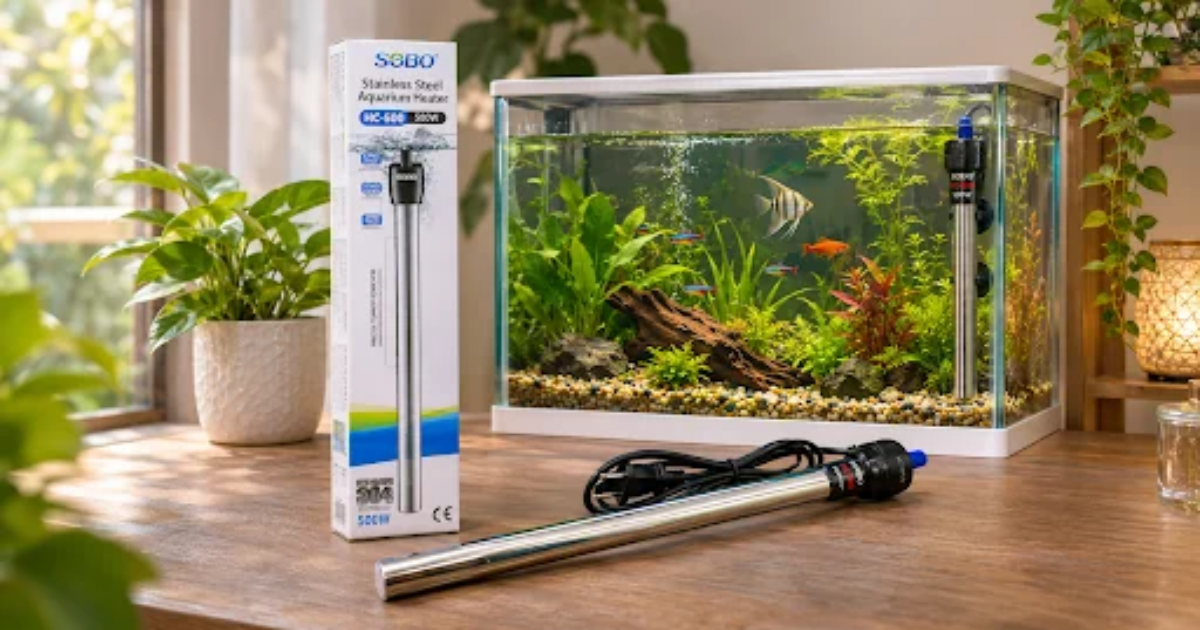
The best aquarium temperature for tropical fish is generally 24–27°C (75–81°F), with 25–26°C suitable for many freshwater community tanks. Bettas and angelfish prefer warmer conditions, while discus usually require 28–30°C. The ideal temperature depends on your fish species, and maintaining stable water conditions helps prevent unnecessary stress.
According to the Merck Veterinary Manual, many tropical fish require water temperatures near 25°C (77°F).
At World of Birds – Pet & Aquatic Pet Store in Doha, Qatar, fishkeepers can explore aquarium heaters, filtration equipment, and tropical fish supplies.
This guide explains species-specific temperature ranges, heater settings, overheating risks, and practical temperature management for Qatar’s climate.
Ideal Aquarium Temperature for Tropical Fish
An aquarium temperature of 24–27°C suits many commonly kept tropical freshwater fish. However, your aquarium’s target temperature should match the requirements of its individual inhabitants.
A stable temperature of 25°C often works for suitable community fish. Some warmer-water species require higher settings, while others prefer slightly cooler conditions.
Is 25°C Suitable for All Tropical Fish?
No. Although 25°C suits many tropical fish, it does not meet every species’ requirements.
Discus generally prefer warmer water. Some danios and other cooler-water fish thrive at lower temperatures.
Before adding fish, compare their preferred temperature ranges and water chemistry requirements. Our freshwater aquarium fish guide for Qatar introduces several popular species.
Tropical Fish Temperature Chart
The following aquarium temperature chart provides approximate ranges for commonly kept freshwater tropical fish. These ranges apply to general maintenance rather than breeding, disease treatment, or specialised care.
| Tropical Fish | Temperature (°C) | Temperature (°F) |
| Betta | 24–28°C | 75–82°F |
| Guppy | 22–28°C | 72–82°F |
| Neon tetra | 22–26°C | 72–79°F |
| Molly | 24–28°C | 75–82°F |
| Platy | 22–26°C | 72–79°F |
| Angelfish | 24–28°C | 75–82°F |
| Discus | 28–30°C | 82–86°F |
| Zebra danio | 20–25°C | 68–77°F |
| Harlequin rasbora | 23–28°C | 73–82°F |
These ranges are general husbandry estimates. Confirm the requirements of your specific species and captive-bred variety before setting the heater.
Example: Setting a Community Tank Temperature
Suppose your aquarium contains guppies, platies, and compatible neon tetras. A stable temperature of 25°C falls within their overlapping temperature ranges.
However, temperature compatibility alone does not guarantee successful stocking. Hardness, pH, adult size, and behaviour also matter.
Read our community aquarium fish guide before combining different species.
Best Temperature for Betta Fish
Betta fish generally prefer temperatures around 24–28°C. A stable setting near 26°C suits many commonly kept bettas.
They also benefit from gentle circulation and access to the water surface. Avoid positioning heaters where temperature varies significantly throughout the tank.
Explore our betta fish care guide for Qatar for additional habitat requirements.
Best Temperature for Discus Fish
Discus generally thrive in warmer water around 28–30°C. They require stable conditions, suitable filtration, and careful water-quality management.
Their warmer temperature requirements can make them incompatible with some standard community fish.
Learn more in our discus fish care guide.
Why Aquarium Temperature Matters
Water temperature influences fish metabolism, oxygen requirements, digestion, and immune function. Tropical fish depend on their surrounding water to regulate their body temperature.
Unlike mammals, fish cannot maintain a constant internal temperature independently of their environment. Consequently, unsuitable water temperatures can affect several biological processes.
Temperature Affects Metabolism
Warmer water generally increases metabolic activity within a fish’s tolerable temperature range. Cooler conditions may slow digestion and reduce activity.
However, excessive warmth can create additional stress rather than improving growth or appetite.
Maintain temperatures within the species’ suitable range instead of deliberately increasing heat.
Temperature Affects Oxygen Levels
Warm water holds less dissolved oxygen than cooler water under comparable conditions. Meanwhile, fish may require more oxygen as their metabolic activity increases.
This combination can create problems in poorly circulated or heavily stocked aquariums.
Effective filtration, surface movement, and appropriate aeration help maintain suitable oxygen levels.
Temperature Affects Disease Susceptibility
Temperature extremes and rapid fluctuations can affect fish immune responses. Some infectious diseases also develop differently at different water temperatures.
The Merck Veterinary Manual’s aquatic environmental disease guide identifies unsuitable temperatures as an important environmental health concern.
Do not increase aquarium temperature to treat disease without identifying the condition. Some infections worsen under inappropriate treatment temperatures.
How to Maintain Stable Water Temperature
Maintain stable aquarium temperature using an appropriately sized heater, reliable thermometer, and suitable tank placement. Check readings regularly rather than relying entirely on the heater’s thermostat.
1. Use an Aquarium Heater
An adjustable thermostatic heater helps maintain a selected water temperature. It switches heating on or off according to its temperature sensor.
Choose a model suitable for your aquarium’s volume and environmental conditions.
For further equipment guidance, read our aquarium heater guide for Qatar.
2. Install a Separate Thermometer
A separate aquarium thermometer allows you to check the actual water temperature independently.
The Merck Veterinary Manual’s fish housing guide recommends independent temperature monitoring alongside aquarium heaters.
Place the thermometer away from direct heater contact. This helps provide a more representative water temperature reading.
3. Maintain Suitable Water Circulation
Water movement distributes heat throughout the aquarium. Poor circulation can create warmer and cooler areas.
Position the heater according to manufacturer instructions, preferably where suitable water flow distributes heat evenly.
Check that your aquarium filter continues operating correctly.
4. Match Replacement Water Temperature
Prepare replacement water before performing a water change. Its temperature should closely match the existing aquarium water.
Sudden changes can stress fish even when the final temperature remains within their preferred range.
Check both temperatures using a thermometer before adding new water.
Choosing the Right Aquarium Heater
The right aquarium heater depends on tank volume, room temperature, target water temperature, and heat loss. Larger aquariums or colder rooms may require greater heating capacity.
Heater wattage alone does not guarantee stable temperature.
Aquarium Heater Wattage Guide
The following table provides illustrative starting points for indoor freshwater tanks with moderate heating requirements.
| Aquarium Volume | Example Heater Capacity |
| 20–40 litres | 25–50W |
| 40–75 litres | 50–75W |
| 75–150 litres | 100–150W |
| 150–250 litres | 150–250W |
| 250–400 litres | 250–400W |
These figures are not universal heater recommendations. Follow the manufacturer’s tank-size chart and maximum temperature-rise specifications.
A heavily air-conditioned room may require more heating capacity than a naturally warm room.
Example: Calculating Heating Requirements
Consider a hypothetical 100-litre aquarium in a room maintained at 21°C. The fish require a stable temperature of 26°C.
The heater must maintain a temperature difference of 5°C.
A suitable 100W heater might support this setup, depending on heat loss and manufacturer specifications.
However, an open aquarium or strong air conditioning could increase heating requirements. Confirm the heater’s performance rating before purchasing.
Aquarium Heater Safety
- Follow the required minimum water level.
- Never operate a submersible heater outside water.
- Disconnect the heater before draining aquarium water.
- Allow the heater to cool according to manufacturer instructions.
- Use an independent thermometer to detect temperature problems.
Browse the World of Birds aquatic collection for aquarium equipment and temperature-management supplies.
Signs Your Aquarium Is Too Hot or Cold
Unusual breathing, reduced appetite, or changes in swimming behaviour may indicate unsuitable aquarium temperatures. However, these symptoms can also result from other water-quality or health problems.
Signs Your Aquarium Is Too Hot
- Rapid gill movement.
- Fish gathering near the surface.
- Unusual agitation or restlessness.
- Reduced activity during severe heat stress.
- Increased demand for oxygen.
Check the actual water temperature immediately. Test ammonia, nitrite, and oxygen levels when possible.
Signs Your Aquarium Is Too Cold
- Slower swimming and reduced activity.
- Reduced appetite.
- Unusual hiding behaviour.
- Changes in normal feeding patterns.
Compare the thermometer reading with your fish’s preferred range. Check whether the heater operates normally and whether room temperature has changed.
Avoid assuming temperature is the only cause of these symptoms.
How to Cool an Overheated Aquarium
An overheated aquarium requires gradual cooling and improved oxygenation. Avoid adding ice directly or replacing large amounts of water with cold water.
Follow these steps when temperatures rise:
- Move the aquarium away from direct sunlight when practical.
- Check whether the heater is malfunctioning.
- Reduce room temperature using air conditioning.
- Increase suitable surface movement and aeration.
- Consider an aquarium cooling fan or chiller.
- Monitor water temperature throughout the adjustment.
Aquarium fans increase evaporation and can help lower water temperature. However, their effectiveness depends on surrounding humidity.
Cooling equipment may be necessary when room temperatures remain above your fish’s suitable range.
Managing Aquarium Temperature in Qatar
Aquarium temperature management in Qatar requires attention to summer heat and indoor air conditioning. Both conditions can influence water temperature, sometimes within the same day.
Protect Your Tank During Summer
Avoid placing aquariums beside windows receiving strong sunlight. Sunlight can heat the water and encourage unwanted algae growth.
Maintain appropriate room temperatures during hot weather. Remember that aquarium lighting and electrical equipment can also contribute heat.
Prevent Excessive Cooling From Air Conditioning
Air-conditioned rooms may become cooler than tropical fish require. Tanks positioned directly below air conditioning vents can experience additional heat loss.
Place the aquarium away from strong cold airflow. Use a suitable thermostatic heater to maintain stable conditions.
Track Morning and Evening Temperatures
Checking aquarium temperature twice daily helps identify recurring fluctuations.
Consider this hypothetical community aquarium:
| Time | Temperature |
| Morning | 24.5°C |
| Afternoon | 27.5°C |
| Evening | 25.5°C |
This example reveals a 3°C daily variation.
Such readings suggest checking tank placement, room temperature, lighting, and heater performance. They do not establish a universal safe fluctuation limit.
Our aquarium water quality guide for Qatar explains other essential parameters affecting fish health.
Frequently Asked Questions
Q1. What temperature is best for tropical fish?
Answer: Most common tropical freshwater fish thrive around 24–27°C. Choose a stable temperature within the preferred range of every species.
Q2. Is 28°C too hot for tropical fish?
Answer: Not necessarily. Bettas, angelfish, and discus may tolerate or prefer this temperature. However, some cooler-water species require lower temperatures.
Q3. Is 30°C safe for a tropical aquarium?
Answer: A temperature of 30°C suits certain warmer-water species, including many discus. It may be unsuitable for other community fish.
Q4. Should an aquarium heater stay on overnight?
Answer: Yes. A functioning thermostatic heater should remain available to maintain the selected temperature throughout the day and night.
Q5. Can tropical fish survive without a heater?
Answer: Some can when water remains consistently within their preferred temperature range. However, most indoor tropical aquariums benefit from thermostatic temperature control.
Q6. How often should I check aquarium temperature?
Answer: Check temperature daily in established aquariums. Monitor more frequently during extreme weather, heater adjustments, or equipment failures.
Q7. What happens if aquarium water becomes too warm?
Answer: Excessive warmth can increase oxygen demand while reducing dissolved oxygen availability. Fish may experience respiratory stress and other health problems.
Conclusion
The best aquarium temperature for tropical fish is generally 24–27°C, with species-specific adjustments where necessary.
A reliable heater, separate thermometer, and effective water circulation help maintain stable conditions. Qatar aquarium owners should also protect their tanks from excessive sunlight and air conditioning fluctuations.
Always select fish with compatible temperature requirements and monitor water conditions regularly.
Find Aquarium Supplies at World of Birds
Explore our aquatic equipment and fish supplies collection for aquarium heaters, filters, and maintenance products.
Visit World of Birds – Pet & Aquatic Pet Store at Souq Al Ali, Doha, Qatar, for aquarium equipment suited to your freshwater setup.
