






Best Dog Food for Small Dogs: What Small Breeds Really Need

The best dog food for small dogs is a complete and balanced diet designed for their size, life stage and energy needs. Small dogs often need more calories per kilogram than larger dogs, while their smaller mouths can make oversized kibble difficult to eat.
At World of Birds in Souq Al Ali, Doha, we stock dog food for adults and puppies, including formulas specifically made for small and mini breeds. Our current range includes Hill’s Science Plan Small & Mini formulas alongside other dog-food options for different feeding needs.
This guide explains what small dogs need from daily food, how to select suitable kibble, how puppies differ from adults, and what Qatar dog owners should check before changing a diet.
Key Takeaways
- Small dogs have different feeding needs from large breeds.
- Small-sized kibble can make eating easier for dogs with smaller mouths.
- Small breeds can need more calories per kilogram of body weight.
- Puppies require growth-formulated food rather than adult maintenance food.
- Protein should be considered alongside fat, calories and complete nutrition.
- Portion control is important because excess calories can cause weight gain.
- Wet and dry food can both fit a small dog’s diet.
- Food should be changed gradually to reduce digestive upset.
Why Do Small Dogs Need Different Food?
Small dogs can benefit from food designed around their smaller mouths, higher energy needs and feeding patterns. Their smaller stomach capacity means each meal needs to provide appropriate nutrition without relying on very large portions.
Higher Energy Needs
Small dogs can use more energy per kilogram than larger dogs.
PetMD notes that small dogs require higher calorie intake per pound of body weight than large dogs.
However, calorie needs still vary by:
- Body weight
- Age
- Activity
- Neutering status
- Body condition
- Individual metabolism
Therefore, the feeding guide should be treated as a starting point.
Smaller Mouths
Kibble size is another important factor. PetMD specifically recommends selecting kibble that suits the dog’s size. Large pieces can be difficult for some small dogs to manage.
For this reason, small-breed dog food often uses smaller pieces than standard adult formulas.
What Should Small-Breed Dog Food Contain?
Small-breed dog food should provide complete nutrition while delivering appropriate calories, protein, fat and essential nutrients in a manageable portion. The food should also match the dog’s life stage.
A useful label checklist includes:
| What to check | Why it matters |
| Life stage | Puppies and adults have different nutritional needs |
| Kibble size | Smaller pieces can suit smaller mouths |
| Protein | Supplies amino acids for body tissues |
| Fat | Provides concentrated dietary energy |
| Calories | Helps manage daily energy intake |
| Nutritional adequacy | Confirms intended complete nutrition |
| Feeding guide | Provides a starting point for portions |
The ingredient list can provide useful information, but it should not be the only factor used to assess a complete diet.
How Much Protein Do Small Dogs Need?
Small dogs need adequate protein for normal tissue maintenance, but there is no single protein percentage that suits every small breed. Protein requirements depend on life stage, activity, health and the complete formulation.
A healthy adult small dog should receive a complete adult diet that supplies appropriate protein and other essential nutrients.
Protein for Adult Small Dogs
Adult dogs need protein to maintain normal body tissues. More protein is not automatically better.
The better approach is to check the complete nutritional profile and the food’s intended life stage.
Protein for Small-Breed Puppies
Puppies have different nutritional requirements because they are growing. A puppy food should provide nutrients for development rather than simply using an adult formula with a higher protein percentage.
World of Birds currently lists Hill’s Science Plan Small & Mini Puppy Food, which is specifically described for small-breed puppy growth.This product is currently out of stock at World of Birds, so availability should be checked before visiting the store.
For more age-specific guidance, our Best Puppy Food in Qatar guide covers puppy nutrition separately.
Is a Small Kibble Better for Small Dogs?
Small kibbles can be easier for small dogs to pick up, chew and eat because it is designed around their smaller mouths. However, kibble size should still be considered alongside nutritional adequacy and the dog’s individual feeding needs.
A small dog does not necessarily need a special formula solely because of its breed.
The key advantage of small-breed formulas is that they combine manageable food size with nutritional characteristics intended for smaller dogs.
Signs Kibble May Be Too Large
Watch your dog during meals.
Possible signs include:
- Struggling to pick up pieces
- Chewing for unusually long periods
- Dropping kibble repeatedly
- Avoiding dry food
- Eating very slowly
Dental problems can also affect eating. If a dog suddenly struggles with food that it previously ate normally, veterinary assessment may be appropriate.
What Is the Best Food for Small Dogs?
The best dog food for small dogs is a complete diet that matches the dog’s life stage, size, activity and individual needs. There is no single food that suits every Chihuahua, Shih Tzu, Pomeranian, Maltese or other small breed.
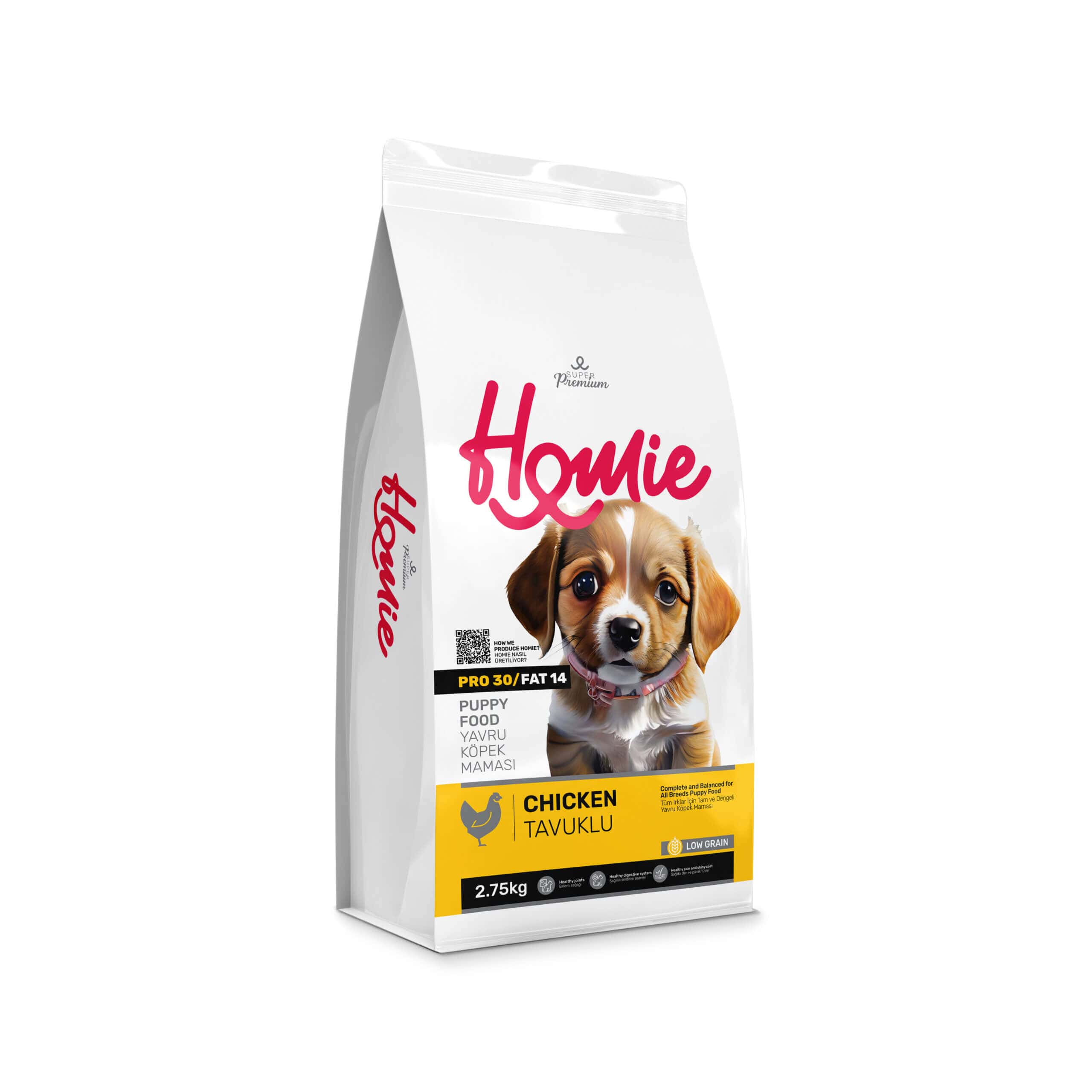
For owners comparing puppy options, our range also includes Homie Super Premium Puppy Food Chicken and Homie Special Puppy Food Chicken . Both are puppy-food options, making them more relevant for growing dogs than adult maintenance formulas.
Another option is Promaster Puppy Food Super Premium Lamb & Rice. It is formulated for puppies and is suitable for owners considering a lamb-and-rice based puppy diet. This product is also currently out of stock at World of Birds.
Product availability can change, so we recommend checking the current stock status before visiting our Souq Al Ali store.
Dry vs Wet Food for Small Dogs
Both wet and dry food can be suitable for small dogs when the diet provides complete nutrition and matches the dog’s needs. The choice can depend on texture preference, feeding routine, dental condition, appetite and individual tolerance.
| Food type | Main consideration |
| Dry food | Convenient to portion and store |
| Wet food | Higher moisture and softer texture |
| Mixed feeding | Can combine different textures and formats |
When Wet Food May Help
Wet food can be useful for dogs that prefer softer textures. It can also add variety to the feeding routine.
However, portion sizes still matter because wet and dry foods can differ considerably in calorie density.
When Dry Food May Help
Dry kibble is easy to measure and store. A small-breed dry formula can also provide pieces that are easier for smaller mouths to handle.
For owners comparing broader options, our Top 5 Dog Food in Qatar guide covers other dog-food formulas available through our Qatar range.
How Much Should a Small Dog Eat?
A small dog’s daily food amount depends on body weight, calorie density, age, activity and body condition. The feeding guide printed on the food package provides a starting point, but the correct portion may differ between individual dogs.
Avoid using cup size alone to judge feeding amounts. Two foods can contain different amounts of calories in the same volume.
Use Body Condition
Monitor your dog’s body condition over time.
Useful signs include:
- Ribs should be easy to feel.
- A visible waist should be present.
- The abdomen should not appear excessively rounded.
- Weight should remain relatively stable.
If your dog gains or loses weight unexpectedly, discuss the change with a veterinarian.
Avoid Overfeeding Treats
Small dogs have smaller daily calorie allowances. Treats can therefore contribute a meaningful amount of their daily energy intake.
Keep treats controlled and include them when considering the dog’s overall daily food intake.
Small Dog Food for Puppies vs Adults
Small-breed puppies need growth-formulated food, while adult small dogs need maintenance nutrition. The two life stages should not be treated as interchangeable.World of Birds also carries puppy formulas such as Homie Super Premium Puppy Food Chicken and Homie Special Puppy Food. These products are intended for puppies, so they should be considered separately from adult small-breed maintenance food.
| Life stage | Main nutritional focus |
| Small-breed puppy | Growth and development |
| Adult small dog | Body maintenance |
| Senior small dog | Individual age and health needs |
Our pet food by breed and age guide provides broader guidance on matching pet food to age and breed.
When Should a Small Dog Switch to Adult Food?
The transition depends on the dog’s breed, expected adult size and development. Small breeds generally reach adulthood earlier than large breeds.
Use the food manufacturer’s life-stage guidance and discuss the timing with your veterinarian when necessary.
How to Change Small Dog Food
Change your dog’s food gradually instead of replacing the old food suddenly. A gradual transition gives the digestive system time to adapt and can make it easier to identify intolerance to a new formula.
A simple transition can follow this pattern:
- Days 1–2: 75% old food and 25% new food
- Days 3–4: 50% old food and 50% new food
- Days 5–6: 25% old food and 75% new food
- Day 7: 100% new food
Some dogs may need a slower transition. If vomiting, persistent diarrhoea or significant appetite loss occurs, contact a veterinarian.
Small Dog Nutrition in Qatar
Small dogs living in Doha still need the same basic nutritional principles used elsewhere, but owners should pay attention to routine, activity and feeding conditions. Indoor lifestyles can reduce daily activity for some dogs, which affects calorie requirements.
At World of Birds in Souq Al Ali, Doha, our dog section includes adult food, puppy food and small-breed options. The current dog category lists dog food products, including separate adult and puppy-food groups.
For owners comparing healthy everyday diets, our healthy dog food in Qatar guide covers broader nutrition factors without focusing specifically on small breeds.
Common Small-Dog Feeding Mistakes
The most common feeding mistakes include oversized kibble, excessive portions, unsuitable life-stage food and frequent diet changes. These mistakes can affect digestion, weight management and feeding consistency.
Avoid these habits:
- Feeding adult food to growing puppies
- Measuring portions by guesswork
- Giving too many treats
- Switching food suddenly
- Ignoring changes in body condition
- Choosing food only by marketing claims
- Using large kibble without checking eating comfort
Consistency makes feeding easier to manage. It also helps owners notice changes in appetite, stool quality and body weight.
Frequently Asked Questions
What is the best dog food for small dogs?
The best dog food for small dogs is a complete diet that matches their life stage, size, activity and individual needs. Small-sized kibble can make eating easier, while appropriate calorie density helps meet their higher energy needs per kilogram. No single formula suits every small breed.
Do small dogs need special dog food?
Small dogs do not always require a special diet, but small-breed formulas can address their smaller mouths and different energy needs. The most important factors are complete nutrition, appropriate calories, suitable kibble size and the correct life stage.
Is a small kibble better for small dogs?
Small kibble can be easier for small dogs to pick up and chew because it is designed for smaller mouths. However, the food must also provide complete nutrition. Kibble size alone does not determine whether a diet is suitable.
How much should a small dog eat?
The correct amount depends on body weight, age, activity, calorie density and body condition. Start with the manufacturer’s feeding guide, then monitor your dog’s weight and body condition. Adjustments should be discussed with a veterinarian when weight changes unexpectedly.
Can small dogs eat regular dog food?
Small dogs can eat regular dog food when it provides complete nutrition and is appropriate for their life stage and individual needs. However, standard kibble may be harder for some small dogs to manage. Small-breed formulas can provide more suitable kibble dimensions and energy density.
Is wet or dry food better for small dogs?
Neither wet nor dry food is automatically better for every small dog. Both can provide complete nutrition when properly formulated. Wet food offers a softer texture and more moisture, while dry food is convenient to measure and store.
Do small-breed puppies need different food?
Yes, growing small-breed puppies need food formulated for growth rather than an adult maintenance diet. Puppies have different nutritional requirements while their bodies develop. World of Birds lists Hill’s Science Plan Small & Mini Puppy Food with Chicken as a small-breed puppy option.
Final Answer
The best dog food for small dogs should combine complete nutrition, suitable calorie density, manageable kibble size and the correct life-stage formulation. Small dogs are not simply large dogs in smaller bodies, so feeding portions and food format deserve attention.
For adult small breeds, World of Birds currently lists Hill’s Science Plan Small & Mini Adult Dog Food with Chicken. For growing puppies, the range also includes Hill’s Science Plan Small & Mini Puppy Food with Chicken.
At World of Birds in Souq Al Ali, Doha, we also carry a broader selection of adult and puppy dog food. Browse our dog food range in Qatar and check the current product information before visiting.
Visit World of Birds in Souq Al Ali, Doha or contact our team to discuss available small-breed and puppy food options for your dog.
