







Aquarium Water Quality Qatar: The Complete Water Care Guide for Healthy Fish Tanks


Most fish deaths in Doha aquariums have nothing to do with the fish. Aquarium water quality in Qatar is the real deciding factor, and most owners never test it until something goes wrong.
Good aquarium water sits within a narrow range: pH 6.5 to 7.5, zero ammonia, zero nitrite, nitrate under 40 ppm. Hit these numbers and your fish stay healthy. Miss them, even briefly, and stress and illness follow fast.
Doha’s heat and desalinated tap water change this equation. Evaporation concentrates minerals fast, and tap water still needs conditioning before it touches your tank.
At World of Birds, we work with aquarium owners across Doha, from first-time tank setups to people wondering why fish keep dying despite regular feeding. This guide pairs with our beginner aquarium fish in Qatar resource, covering both the fish and the water side.
In this blog, we’ll cover ideal water parameters, the nitrogen cycle, and the routine that keeps Doha tanks stable.
Why Aquarium Water Quality Matters More in Qatar
Cleanliness and water quality are not the same thing. A tank can look spotless and still carry a dangerous ammonia spike underneath the surface.
We covered the cleaning side, algae, cloudiness, and heat-driven maintenance, in our earlier guide on keeping aquarium water clean in Qatar’s heat. This guide picks up where that one left off. Here, we’re talking about the numbers behind the water: pH, ammonia, nitrite, nitrate, and the biology that keeps them stable.
Aquarium water quality in Qatar faces two local pressures that most global fishkeeping guides never mention. The first is the water supply itself. The second is the climate it sits in.
Is Doha Tap Water Safe for Your Aquarium?
Doha’s tap water comes largely from desalination. That means it starts with very low natural mineral content, then gets treated and blended before it reaches your home.
It is not automatically safe for fish straight from the tap, though. Utilities still add chlorine or chloramine to keep the water safe for drinking, and both compounds are toxic to fish and to the beneficial bacteria living in your filter. Skip the conditioning step and you risk burning your fish’s gills within hours.
We’ve seen this exact scenario play out with customers who set up a new tank, filled it straight from the tap, and lost half their fish stock within a day. The water looked clean. It wasn’t.
Before adding fish, always treat tap water with a dechlorinator. Test it once with a reliable kit so you know exactly what you’re starting with, rather than guessing.
How Qatar’s Heat Affects Your Tank
Ambient temperatures regularly cross 40°C in summer, and that heat does not stay outside. Indoor tanks without stable air conditioning can swing several degrees across a single day, and swings stress fish more than a consistently warmer temperature would.
Heat also speeds up evaporation. As water evaporates, the minerals and dissolved solids left behind become more concentrated, which slowly pushes your fish tank water pH Qatar readings and hardness upward over weeks. Top up with fresh conditioned water regularly, not just during scheduled water changes, to keep this drift in check.
The Ideal Water Parameters Every Freshwater Tank Needs
Good aquarium water quality in Qatar always starts with the same five numbers, regardless of tank size or fish species. Here is the direct answer: a healthy freshwater tank sits at pH 6.5 to 7.5, 0 ppm ammonia, 0 ppm nitrite, and under 40 ppm nitrate, with temperature held between 24°C and 28°C for most tropical community fish.
Those five numbers are your baseline. Everything else in this guide exists to help you hit and hold them.
| Parameter | Ideal Range | Danger Sign |
| pH | 6.5–7.5 | Below 6.0 or above 8.0 |
| Ammonia (NH3) | 0 ppm | Anything above 0 |
| Nitrite (NO2) | 0 ppm | Anything above 0 |
| Nitrate (NO3) | Under 40 ppm | Above 40–50 ppm |
| Temperature | 24–28°C | Swings of 3°C+ in a day |
Fish Tank Water pH Qatar – What’s the Right Range?
Most freshwater community fish, tetras, mollies, guppies, and gouramis, do best between 6.5 and 7.5. Beneficial bacteria, the ones responsible for the nitrogen cycle, prefer a slightly higher range of 7.0 to 8.0.
A pH that drifts too low slows down your bacteria’s ability to process ammonia. A pH that climbs too high makes any ammonia present far more toxic. This is why pH is not a set-and-forget number. Check it weekly with a proper test kit rather than relying on how the water looks.
Ammonia, Nitrite, and Nitrate – What’s Safe?
The rule here is simple and non-negotiable: ammonia and nitrite should always read 0 ppm in an established tank. There is no “safe low level” for either.
Nitrate is different. Some nitrate is expected and tolerated, as it’s the end product of a working nitrogen cycle. Keep it under 40 ppm through regular water changes, and lower still if you keep sensitive species like discus or shrimp.
A reliable aquarium test kit Qatar owners can trust removes the guesswork here. Liquid test kits give more accurate readings than strips, particularly for ammonia and nitrite, where a false “safe” reading can cost you fish.
Understanding the Nitrogen Cycle in Your Aquarium
The nitrogen cycle aquarium owners rely on is the biological engine behind every one of the numbers above, and it’s the single biggest factor in long-term aquarium water quality in Qatar. Skip understanding it, and you’re managing symptoms without knowing the cause.
Fish waste and leftover food break down into ammonia. Beneficial bacteria called Nitrosomonas convert that ammonia into nitrite. A second bacteria strain, Nitrobacter, converts nitrite into nitrate. Only once that chain is fully established does a tank become “cycled.”
New tanks have none of this bacteria present. That’s the entire reason new tank syndrome exists, and why so many beginner tanks in Doha lose fish within the first two weeks.
How Long Does It Take to Cycle a Tank in Qatar’s Climate?
A full nitrogen cycle typically takes four to eight weeks. Warmer water, which most Doha homes provide even with air conditioning running, speeds up bacterial reproduction slightly. But warmer water also holds less dissolved oxygen, and your bacteria colony needs oxygen to function.
The trade-off works out roughly even. Don’t expect Qatar’s heat to shortcut the process. Test daily during the first two weeks, then every two to three days as ammonia and nitrite readings start to settle.
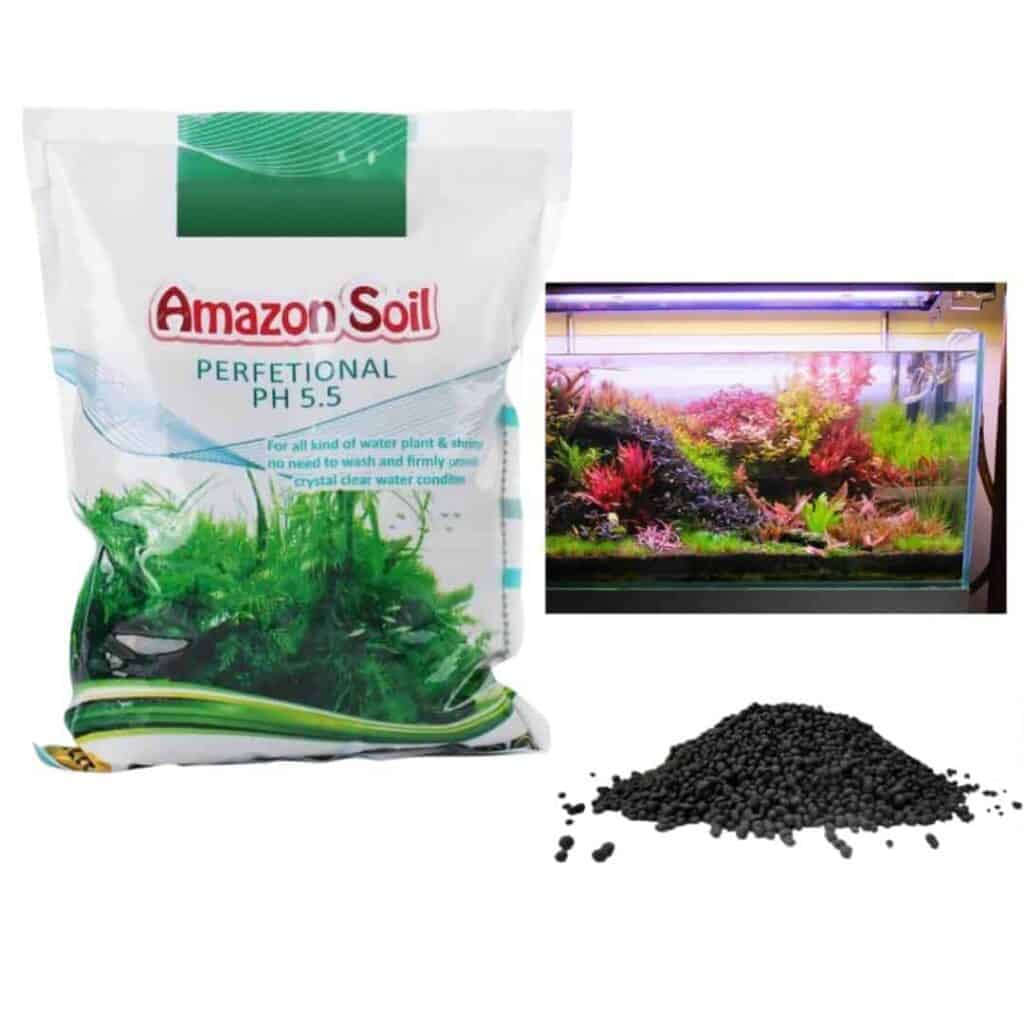
Seeding a new tank with filter media or gravel from an already established aquarium speeds this up considerably. A bacteria starter product does the same job in bottled form, giving your tank a head start rather than waiting for bacteria to colonise naturally from the air and water.
Signs Your Tank Isn’t Fully Cycled Yet
Watch for fish gasping at the surface, cloudy water that won’t clear, or a sudden fish death with no obvious cause. Any of these point to an incomplete cycle, and the fix is always the same: test, and act on what the numbers tell you.
Aquarium Ammonia in Qatar – Causes and Fixes
Aquarium ammonia Qatar owners run into most often traces back to one of four causes: an uncycled new tank, overfeeding, overstocking, or a missed dechlorination step during a water change.
Overfeeding is the quiet culprit here. Uneaten food breaks down exactly like fish waste does, and it’s the single most common ammonia trigger we see in customer tanks. Our guide on fish food in Qatar covers portion sizes that keep waste, and ammonia, to a minimum.
Overstocking works the same way. A tank stocked faster than its bacteria colony can grow into overwhelms the system, even if the tank was cycled correctly to begin with. Add new fish gradually, a few at a time, spaced a week or two apart.
Emergency Steps If Ammonia Spikes
Stop feeding immediately. Test to confirm the reading, then perform a 25 to 30 percent water change using properly conditioned water at a matching temperature.
A quality water conditioner with an ammonia-locking agent buys you time by temporarily neutralising toxicity while your bacteria colony catches up. Retest daily until the reading returns to zero, and hold off on adding new fish until it does.
How Often Should You Change Aquarium Water?
Water change frequency is one of the most argued-over topics in fishkeeping, but the framework is straightforward once you know your tank type. Getting this right is one of the easiest ways to protect aquarium water quality in Qatar without buying anything new.
Lightly stocked, well-planted tanks can often run on a biweekly 20 percent change. Heavily stocked tanks, or anything showing nitrate above 40 ppm, need a weekly 25 to 30 percent change instead. There’s no single number that fits every tank. Test, then decide.
How Much Water to Change – 10%, 25%, or 50%?
Small, frequent changes beat large, infrequent ones. A 50 percent change sounds efficient, but it also swings your water chemistry sharply enough to stress fish, particularly in Doha where tap water composition can vary slightly between water tanker deliveries and municipal supply.
Stick to 20 to 30 percent per change in most situations. Reserve larger changes for emergencies, such as an ammonia spike that needs an immediate dilution.
Common Water-Change Mistakes That Stress Fish
Forgetting the dechlorinator is the big one. It happens even to experienced keepers, and it can wipe out a tank in hours. A good gravel vacuum and siphon makes the whole process faster and keeps waste from settling back into the substrate between changes.
Temperature mismatch is another common slip. Pouring in cooler tap water shocks fish and can trigger visible stress within minutes.
And here’s the thing about evaporation top-ups: they are not the same as water changes. Topping up replaces evaporated water, but it does nothing to remove the waste and dissolved solids building up in the tank. You need both.
Freshwater Water Parameters by Fish Type
Freshwater water parameters aren’t universal across every species. A setup built for one type of fish can be entirely wrong for another.
- Community fish (tetras, guppies, mollies): pH 6.5–7.5, temperature 24–27°C. The most forgiving group, and the best starting point for new keepers.
- Bettas: pH 6.5–7.5, temperature 26–28°C. Sensitive to ammonia specifically, so weekly testing matters more here than tank size might suggest.
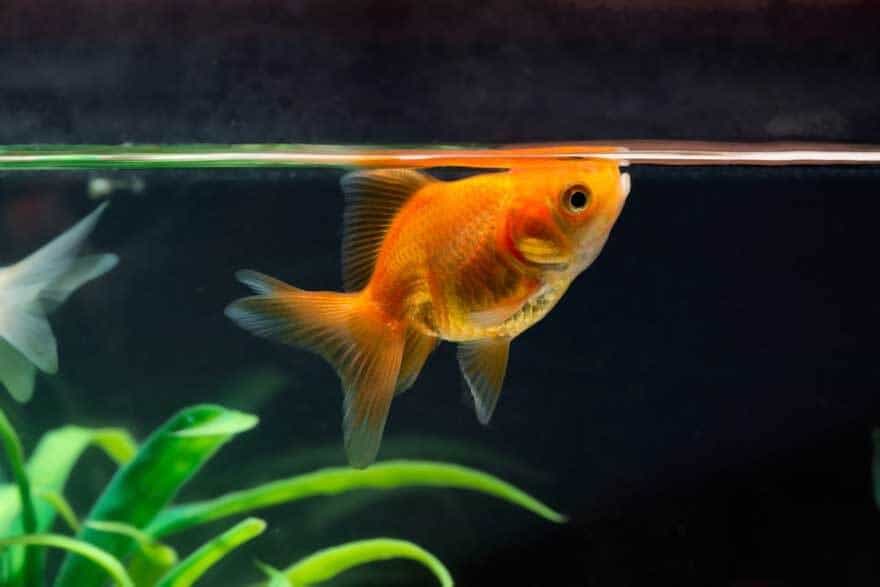
- Goldfish: pH 7.0–8.0, temperature 18–22°C, cooler than most Doha homes run naturally. Goldfish also produce significantly more waste than similarly sized tropical fish, so plan for more frequent water changes.
- African cichlids: pH 7.8–8.6, harder water than most freshwater species tolerate. These fish often need mineral supplementation to match their natural lake habitat.
If you’re building a new tank around live plants rather than fish alone, our guides on live aquatic plants in Qatar and planted aquarium setups cover the slightly different balance planted tanks need, particularly around lighting and nutrient dosing.
Aquarium Test Kits in Qatar – What You Need and How to Use Them
You cannot manage what you don’t measure. That’s the entire argument for owning a proper aquarium test kit Qatar hobbyists can rely on, rather than guessing based on how clear the water looks. Testing consistently is what turns “hoping for good aquarium water quality in Qatar” into actually having it.
Three main options exist. Test strips are the fastest but least accurate, fine for a quick check but not for diagnosing a problem. Liquid test kits take a few minutes longer and give far more reliable readings, particularly for ammonia and nitrite. Digital meters handle pH and TDS instantly and are worth the investment if you’re managing multiple tanks.
For most home aquarium owners in Doha, a liquid master test kit covering pH, ammonia, nitrite, and nitrate is the single most useful purchase you can make. Test weekly once a tank is established. During cycling, or after any sign of trouble, test every one to two days instead.
Fish Tank Water Treatment in Doha – Building Your Water Care Routine
Fish tank water treatment Doha owners need doesn’t have to be complicated. It just has to be consistent.
Pull everything in this guide together and you get a routine that takes maybe 30 minutes a week. That’s a small trade for fish that live years instead of weeks.
Weekly, Biweekly, and Monthly Water Care Checklist
Weekly: Test ammonia, nitrite, pH. Perform a 20 to 30 percent water change with conditioned, temperature-matched water. Remove any uneaten food or visible debris.
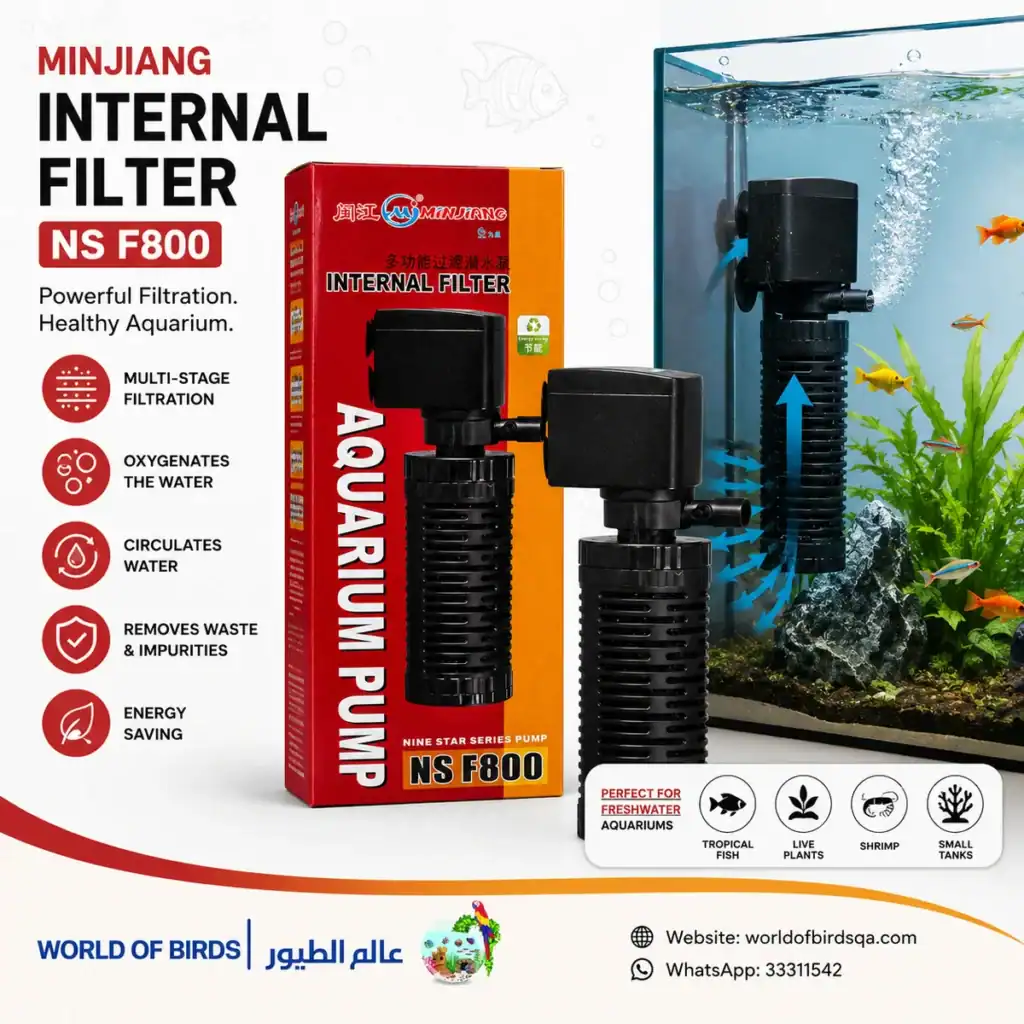
Biweekly: Vacuum the substrate to remove waste buildup. Check flow and clean media in old tank water, never tap water, to protect the bacteria colony living inside it. If you’re due an upgrade, our range of aquarium filters covers internal, HOB, and canister options for every tank size.
Monthly: Test nitrate and general hardness. Review your feeding portions against how much goes uneaten. Inspect equipment, heaters especially, given how much they work during Doha’s cooler winter nights when tanks still need warming indoors.
Everything you need for this routine, conditioners, test kits, filter media, and beneficial bacteria, sits in one place in our Fish Care & Water Care range.
Frequently Asked Questions About Aquarium Water Quality Qatar
What is the ideal pH for aquarium water in Qatar?
Most freshwater community fish do well between pH 6.5 and 7.5. Test weekly, since Doha’s tap water and evaporation rates can push pH upward over time if left unchecked.
How often should I change my aquarium water?
Lightly stocked tanks typically need a 20 percent change every two weeks. Heavily stocked tanks need a weekly 25 to 30 percent change. Let your test results, not the calendar alone, guide the final decision.
Is Doha tap water safe for a fish tank?
Not without treatment. Doha’s desalinated supply still contains chlorine or chloramine added for drinking safety, both of which are toxic to fish and beneficial bacteria. Always dechlorinate before use.
How do I lower ammonia in my fish tank quickly?
Stop feeding, perform a 25 to 30 percent water change with conditioned water, and use a conditioner with an ammonia-locking agent while your bacteria colony recovers. Retest daily until levels return to zero.
How long does it take to cycle a new aquarium?
Four to eight weeks in most cases. Qatar’s warmer indoor temperatures can slightly speed bacterial growth, but lower dissolved oxygen at higher temperatures roughly balances that out.
Final Thoughts
Filtration and cleaning matter, but they’re not the whole story. Aquarium water quality in Qatar ultimately comes down to five numbers: pH, ammonia, nitrite, nitrate, and temperature, and a routine that keeps them stable week after week.
Doha’s heat and desalinated water supply make this less optional than it would be elsewhere. Skip regular testing here and problems build quietly until a fish dies with no obvious warning.
At World Of Birds, We stock everything covered in this guide, test kits, conditioners, and bacteria starters, in our Fish Care & Water Care range. If you’d rather talk it through in person, find us on Google and drop by our Souq Al Ali store. Our team tests water samples on the spot and can point you to exactly what your tank needs.
Browse our aquarium live plants collection available in Qatar now, or message us on WhatsApp at 33311542 to check plant and equipment stock before you visit.
We are at Souq Al Ali, Doha. Qatar’s oldest pet and aquatic store, open since 1985.

3 thoughts on “Aquarium Water Quality Qatar: The Complete Water Care Guide for Healthy Fish Tanks”