







How to Buy Healthy Aquarium Fish in Qatar – What to Look for Before You Purchase


Most aquarium fish in Qatar die within the first two weeks. Not from bad luck. From a bad purchase.
To buy aquarium fish Qatar hobbyists can trust, you need to assess the shop, inspect each fish for clear physical and behavioural health signs, time your purchase correctly after a new shipment, and follow a proper acclimation process once the fish reaches home. Skipping any of these steps significantly increases the risk of losing the fish within days.
New fish arriving stressed, sick, or carrying hidden parasites are far more common than most buyers realise. The problem starts long before the fish enters your tank.
At World of Birds Qatar, we have been helping Doha residents buy aquarium fish successfully since 1985. You can browse our current stock through our Live Shipment collection before visiting us at Souq Al Ali.
In this blog, we’ll walk through every step of buying healthy fish in Qatar, from evaluating the shop to quarantining your new fish at home.
Why Most New Fish Die in the First Week in Qatar
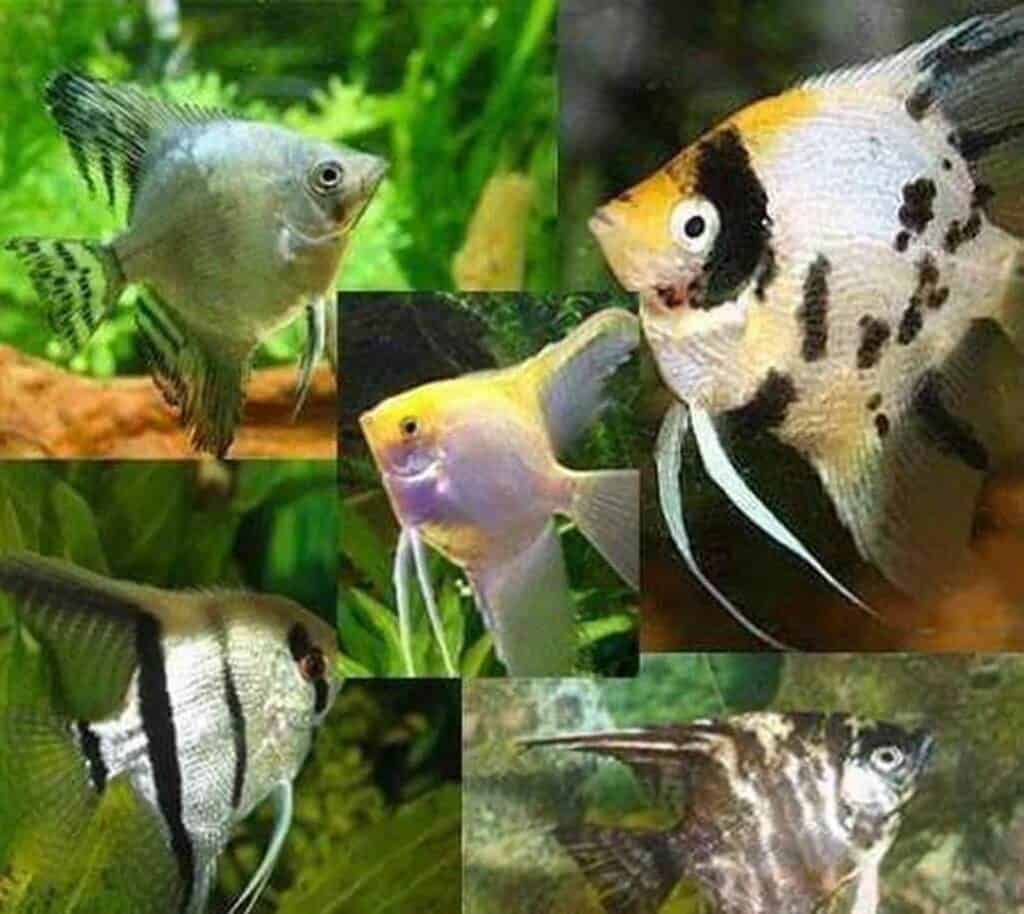
The fish looked fine at the shop. Active, colourful, swimming normally. You brought it home, added it to your tank, and by day three it was dead.
This happens constantly in Qatar. And in the vast majority of cases, the fish was already sick before it left the shop.
At World of Birds, we have been selling live fish in Qatar since 1985. Over four decades, the pattern we see most often is not fish dying from poor home care. It is fish dying from disease they carried in from the point of purchase. Three causes account for most of these losses: buying within 48 hours of a new shipment arriving, choosing a fish from a tank with poor water quality, and skipping acclimation when the fish reaches home.
Buying healthy aquarium fish in Qatar is not about luck. It is a skill. A short checklist of things to look for, questions to ask, and steps to follow after purchase. This guide covers all of it, step by step.
Step 1 – Evaluate the Fish Shop Before You Look at the Fish
Most buyers walk into a pet shop and go straight to the fish tanks. This is the wrong order.
The condition of the shop tells you more about the fish than the fish themselves do in the first 30 seconds. A well-run shop produces healthy fish. A poorly run shop produces sick ones, no matter how good the individual fish looks in the tank.
Spend two minutes evaluating the shop before you look at a single fish.
What a Well-Maintained Fish Shop Looks Like in Qatar
Five things to check when you walk in:
- Water clarity.
- No dead fish visible.
- Correct stocking levels.
- Staff who know their stock.
- Fish that react normally.
Red Flags That Mean Leave the Shop Entirely
Some things should end the visit immediately:
- Multiple dead fish in any tank.
- Brown or green murky water.
- Strong ammonia smell.
- Fish gasping at the surface across multiple tanks.
- Staff who cannot say when the fish arrived.
These five red flags apply to any pet shop fish Qatar buyers encounter across Doha.
Step 2 – Signs of a Healthy Fish to Buy in Qatar
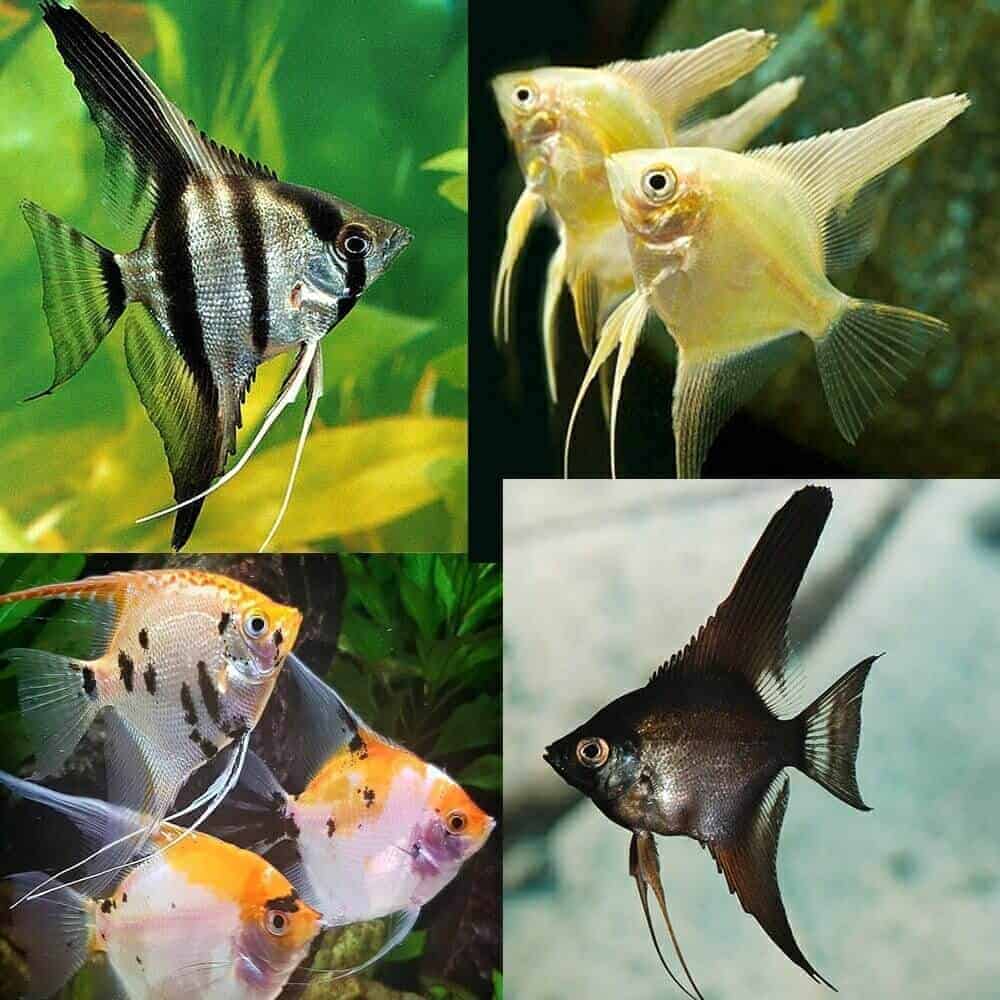
A healthy aquarium fish to buy in Qatar has clear, bright eyes, intact fins with no ragged edges, smooth unbroken scales, a full and rounded body, consistent vibrant colour, and active swimming behaviour that includes reacting to movement outside the tank. Any deviation from these indicators warrants either a closer look or walking away from that fish entirely. These fish store Qatar tips apply to any shop in Doha, from Souq Al Ali to Souq Al Wakrah.
Take your time at the tank. Watch for at least two minutes before deciding.
Physical Signs of a Healthy Aquarium Fish
Six things to check visually before selecting any fish:
- Eyes. They should be clear and bright, sitting flush with the head. Cloudy eyes indicate bacterial infection. Bulging or protruding eyes (pop-eye) indicate internal bacterial or parasitic infection. Both are serious and often not treatable in a home tank.
- Fins. Every fin should be intact, fully extended, and free of tears, holes, or ragged edges. Small tears from minor aggression are sometimes acceptable in community tanks. Fin rot has a distinctive look: the fin edge is discoloured, browning or whitening, with tissue that appears to be dissolving backward toward the body.
- Scales. Run your eye along the body. Scales should lie flat and smooth. Raised scales, particularly those creating a pine cone appearance around the body, indicate dropsy. This condition is almost always fatal and extremely contagious.
- Body shape. A healthy fish has a full, rounded body. A fish with a pinched, sunken, or concave stomach has not been eating or has an internal infection. Do not buy it regardless of how vibrant the colour is.
- Colour. Colour should be consistent, vibrant, and cover the full body evenly. Pale patches, asymmetric fading, or dull colouration all indicate stress or disease.
- No visible spots or patches. White spots resembling salt grains mean ich. A fine gold or rust-coloured dusty shimmer means velvet. Both are highly contagious. If you see either on any fish in the tank, do not buy from that tank.
Behavioural Signs of a Healthy Fish
Watch the fish move before you decide:
- Swimming pattern.
- Surface behaviour.
- Reaction to movement.
- Feeding response.
- Flashing.
Step 3 – Red Flags and Fish Disease Signs to Recognise Before Buying
A cheap fish that carries ich into your established tank is not a bargain. It is a potential total loss. One diseased fish can wipe out an entire aquarium in under two weeks.
The rule here is simple: when in doubt, do not buy. Fish replenish. Established tanks do not rebuild themselves quickly.

The Dead Fish Rule in Qatar Pet Shops
Any dead fish visible in a tank means every fish in that tank has been exposed to whatever killed it.
In many Qatar fish shops, tanks share a common filtration system. Water circulates between tanks in the same unit. One diseased tank can infect every other tank connected to the same system. A dead fish in tank three does not mean tank one is safe.
One dead fish is a warning. Multiple dead fish in any tank means leave the shop entirely and return a different day.
Visible Disease Signs – What Each One Means
Six disease presentations to recognise and reject immediately:
- White salt-grain spots on fins and body.
- Fine gold or rust-coloured dust across the body.
- Ragged or missing fin edges with browning or whitening tissue.
- Cloudy or bulging eyes.
- Scales raised outward in a pattern resembling a pine cone.
- Pale or patchy colouration with the fish hiding in corners or behind décor.
For species-specific disease signs to watch for when buying Betta Fish, read our Betta Fish care guide for Qatar which covers Betta-specific buying notes and health indicators.
The Medication Tank – When to Walk Away From Blue or Green Water
Some Qatar fish shops treat disease outbreaks by dosing medication directly into display tanks. Methylene blue turns water blue. Malachite green turns it green. Both are treatments for active disease.
A shop that medicates display tanks is managing a disease problem in its current stock. Buying from a medicated tank means buying a fish that is actively fighting an illness, that will likely be suppressed by the medication in the shop environment, and that may relapse once it enters your home tank where no medication is present.
Always ask what the medication is for. If the answer is unclear or the staff do not know, do not buy from that tank.
Step 4 – Ask the Right Questions Before You Buy Aquarium Fish in Qatar
The right questions separate a good shop from a poor one in under two minutes.
A knowledgeable shop answers these without hesitation. A shop that cannot answer them is telling you something important about how it operates.
Question 1 – When Did This Fish Arrive?
This is the most important question you can ask before buying aquarium fish in Qatar.
Fish arrive in Doha by air freight from Singapore, Thailand, Malaysia, and Indonesia. The journey involves multiple transfers, sealed bags, temperature changes, and oxygen depletion. Every fish arriving in Qatar has experienced significant physiological stress by the time it reaches the shop tank.
Shipping stress suppresses immune function. A fish that arrives today is at its most vulnerable. Its immune system is weakened, its ability to fight off disease is reduced, and any pathogens it carried from the source country are more likely to become active.
The minimum safe window before purchasing is 5 to 7 days after arrival. In that time, the fish eats, recovers immune function, and any latent disease either resolves or becomes visible.
At World of Birds, our staff track arrival dates as standard practice. Ask us and we will tell you exactly how long any fish has been in our tanks.
Question 2 – Is the Fish Eating?
A fish that competes actively for food is healthy and settled. A fish that shows no interest, hangs back, or spits food out is stressed, sick, or both. This test is particularly important for specialist feeders like Discus, Arowana, and Flowerhorn especially if you plan to buy aquarium fish Qatar.
A fish that eats readily in the shop will almost always eat when it moves to a home tank. A fish that refuses food at the shop is a risk.
Any reputable shop will feed a fish in front of you if you ask. For a full list of which fish are currently available and their care requirements, see our freshwater aquarium fish guide for Qatar.
Question 3 – Have These Fish Been Quarantined?
Reputable fish shops quarantine new arrivals in a separate holding system before moving them to display tanks. Quarantine allows the shop to observe new stock, treat any disease that emerges, and confirm the fish are eating before selling them, giving buyers more confidence when they buy aquarium fish Qatar.
A shop that quarantines fish produces healthier stock. A shop that transfers fish directly from the import box to the display tank is skipping this protection entirely.
Step 5 – Timing Your Purchase After a New Shipment in Qatar
Qatar’s aquarium fish arrive by air freight, primarily from Singapore, Thailand, and Indonesia. Each shipment typically involves a collection point, a freight hub, a transit flight, Hamad International Airport customs clearance, and then ground transport to the shop.
The total journey from source farm to Doha shop tank is frequently 24 to 48 hours. During that time, fish are sealed in oxygen-inflated bags, experiencing temperature fluctuations, pressure changes, and complete darkness before they are available to buy aquarium fish Qatar.
By the time a fish arrives at a Doha pet shop, it has not eaten in at least 24 hours, its immune system is suppressed from stress, its water chemistry has shifted from ammonia buildup inside the sealed bag, and it needs time to recover.
The safest buying window is between 5 and 14 days after a shipment arrives.
Within the first 48 hours, the fish is at peak vulnerability. Between days 3 and 5, it is recovering. Between days 5 and 14, it is stable, eating, and its immune system has recovered enough to handle another move.
Step 6 – Transporting New Fish Safely in Qatar’s Heat
The journey from a Doha fish shop to your home tank is one of the highest-risk moments in the entire process. Most buyers do not prepare for it.
Heat kills bagged fish fast. This is a Qatar-specific risk that no global fish-buying guide addresses because most global guides are written for countries where cars are not heat traps for six months of the year. Keep this fish buying guide Qatar hobbyists can use as a checklist every time you visit a shop.
Three things to do every time you buy aquarium fish in Qatar:
- Bring an insulated cool bag or a small polystyrene box.
- Drive directly home.
- Keep the bag in the dark during transport.
Step 7 – How to Acclimate New Fish to Your Tank in Qatar
You are home. The fish is alive. Do not rush.
New fish acclimation is the process of gradually equalising the water conditions inside the transport bag with the water conditions in your home tank. The fish has been in bag water for anywhere from 20 minutes to several hours. That bag water has a different temperature, pH, and potentially different chemistry from your tank water.
Moving a fish from one water chemistry to another too quickly causes osmotic shock. The fish may survive it, but it will be significantly stressed. Stressed fish develop disease.
The Float Method – Standard Acclimation for Most Fish
Float the sealed bag on the surface of your tank for 15 to 20 minutes without opening it. This equalises the temperature between the bag water and the tank water passively and safely.
After 15 to 20 minutes, open the bag and roll the top edge down to create an air collar that keeps the bag floating. Add a small cup of tank water to the bag every 5 minutes. Repeat three to four times over 20 minutes. This gradually shifts the bag water chemistry toward your tank’s chemistry.
Net the fish from the bag into the tank. Discard the bag water. Do not pour the bag water into your tank. Shop water can carry pathogens, different bacterial populations, and water chemistry that destabilises a cycled filter.
For the right water conditioner and care products to prepare your tank water before adding new fish, browse our Fish Care and Water Care section.
The Drip Method – For Sensitive Species in Qatar
Discus, Arowana, freshwater shrimp, and some other sensitive species need a slower, more gradual acclimation process.
Place the fish from the bag into a clean bucket or container. Use airline tubing tied in a loose knot to create a slow drip from your main tank into the container. The drip rate should be 2 to 4 drops per second. Over 30 to 60 minutes, the container water gradually becomes closer in chemistry to your main tank water.
Step 8 – Quarantine New Fish Before Adding Them to Your Aquarium in Qatar
This is the step most Qatar aquarium owners skip. It is also the step that, when skipped, causes the most expensive losses. Quarantine is the most effective fish disease prevention step available to any Qatar aquarium keeper.
Quarantine is not for fish that look sick. It is for every single new fish, without exception.
Fourteen to twenty-one days in a separate quarantine tank gives any disease enough time to become visible before the fish enters an established tank with other fish. Disease caught in quarantine is treatable. Disease introduced to a main tank with 10 established fish is a crisis.
Setting Up a Quarantine Tank in Qatar
The setup does not need to be elaborate. It needs to be functional and separate.
A 20-litre tank with a sponge filter, a heater, and a lid is all you need. No substrate, no décor. A bare tank is easier to clean and disinfect completely after quarantine. If you already have an established tank, seed the sponge filter by placing it in your main tank for a week before use. This transfers beneficial bacteria into the new filter and prevents an ammonia spike during quarantine.
Browse our Aquariums and Stands for a quarantine tank option and our aquarium filters for the right sponge filter for a quarantine setup.
Set the heater to match your main tank exactly. Temperature stress during quarantine defeats the purpose.
Adding a live plant cutting to the quarantine tank helps stabilise the nitrogen cycle and provides the fish with some environmental enrichment. Our guide to live aquatic plants available in Qatar covers which species suit a simple quarantine setup.
Where to Buy Aquarium Fish in Qatar – World of Birds, Souq Al Ali
World of Birds has been supplying live aquarium fish in Qatar since 1985. Our Souq Al Ali store carries freshwater fish, saltwater fish, live plants, aquarium equipment, fish food, water care products, and everything needed for a complete aquarium setup in one visit.
Every step in this guide describes what a trustworthy Qatar fish shop looks like. Clear water. Staff who know when fish arrived. Fish that are eating. Quarantine practices before sale. These are the standards we hold ourselves to at World of Birds, and they are the reason customers return to us after three and four years to replace a fish that finally passed from old age.
The fastest way to check current live fish stock is WhatsApp. Message us on 33311542 and we confirm what is in stock before you travel. As the most established live fish shop Doha has, World of Birds stocks freshwater and saltwater species year-round.Browse our live fish collection online to see current stock.
Frequently Asked Questions About Buying Aquarium Fish in Qatar
Question: How do you know if aquarium fish are healthy at the pet store?
Answer: Healthy fish have clear eyes, intact fins, full and rounded bodies, consistent colour, and active swimming behaviour. They respond to movement outside the glass and compete for food when fed. Avoid any fish with white spots, ragged fins, sunken stomachs, or fish that sit motionless at the bottom or gasp at the surface.
Question: How long should I wait after a new shipment before buying fish in Qatar?
Answer: Wait at least 5 to 7 days after a new shipment arrives before purchasing. Fish arrive by air freight under significant stress and need time to settle and recover immune function. At World of Birds Qatar, our staff can tell you exactly when each batch arrived so you can time your visit accordingly.
Question: How long should I quarantine new aquarium fish in Qatar?
Answer: Quarantine new fish for a minimum of 14 to 21 days in a separate tank before adding them to an established aquarium. This period allows any disease to become visible before it can spread to other fish. Even fish that appear completely healthy at the shop can carry parasites or bacteria that only become visible under stress.
Question: How do I acclimate new fish to my tank in Qatar?
Answer: Float the sealed bag in your tank for 15 to 20 minutes to equalise temperature. Then gradually add small amounts of tank water to the bag every 5 minutes for 20 minutes. Net the fish into the tank and discard the bag water. For sensitive species like Discus and Arowana, use the drip method over 30 to 60 minutes.
Question: Where can I buy healthy aquarium fish in Qatar?
Answer: World of Birds at Souq Al Ali, Doha has been supplying live aquarium fish in Qatar since 1985. Our staff can confirm when each fish arrived, what it has been eating, and which species are ready for purchase. Contact us on WhatsApp at 33311542 to check current stock before visiting.
Ready to Buy Your Next Fish? Visit World of Birds Qatar
Buying healthy fish in Qatar is a skill, not luck. Every step in this guide reduces the risk of losing a fish in the first week: evaluate the shop, check the fish, ask the right questions, time your purchase correctly, transport safely, acclimate properly, and quarantine before the fish enters your main tank.
World of Birds has been helping Qatar buyers get this right since 1985. Browse our live fish collection now in stock at World of Birds, or message us on WhatsApp at 33311542 to ask when our latest shipment arrived and what is ready to buy. We are at Souq Al Ali, Doha. Qatar’s oldest pet and aquatic store, open since 1985.
