







Cat Peeing Outside the Litter Box: Causes & Solutions

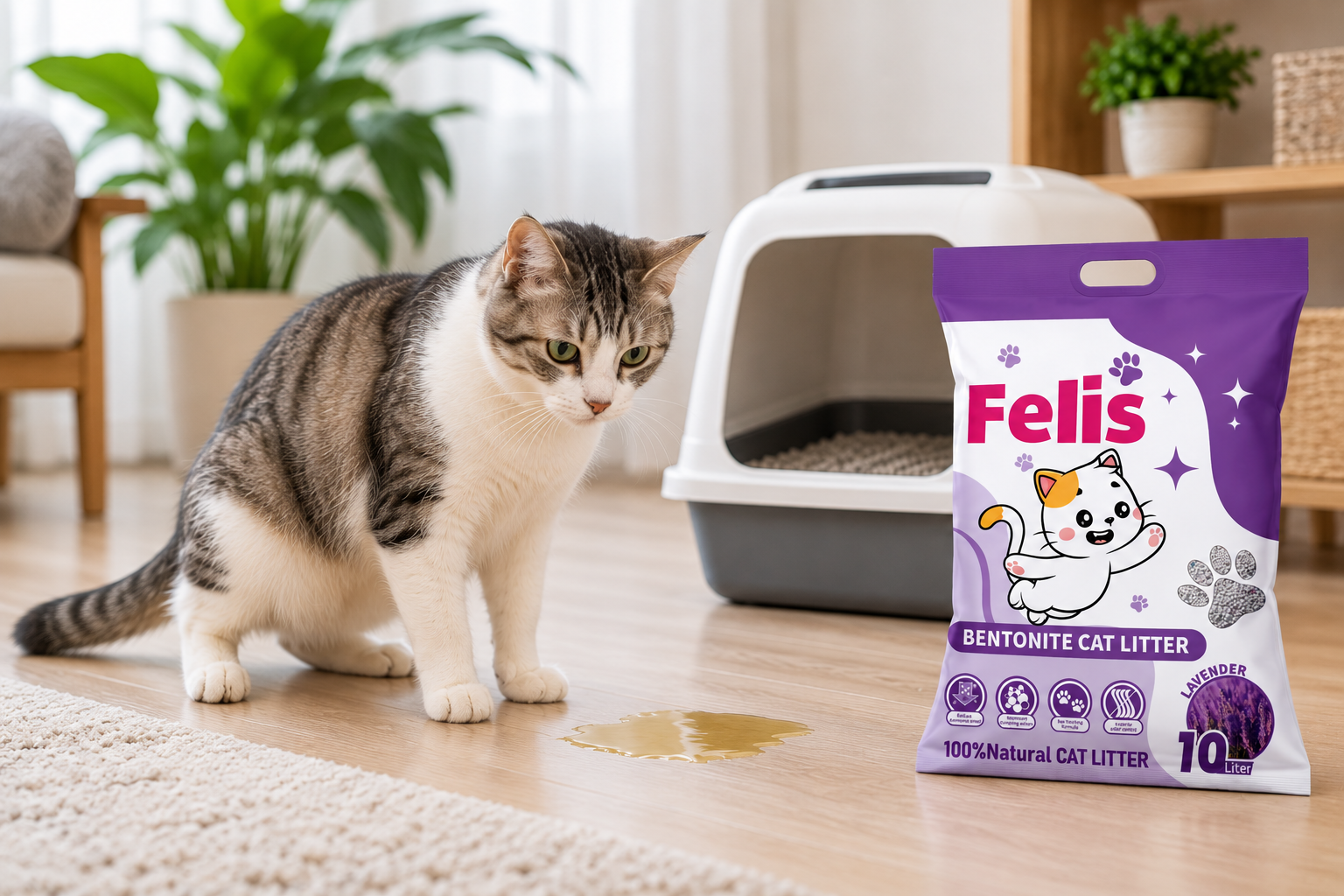
Cat peeing outside the litter box can result from medical problems, stress, urine marking, or an unsuitable litter-box setup. A sudden change should not be treated as simple misbehaviour. Veterinary sources recommend checking for medical causes first, especially when urination becomes painful, frequent, difficult, or unusual.
At World of Birds, we help cat owners across Doha and Qatar with cat-care products and practical pet-care information. In this guide, we explain why cats may urinate outside the box, how to tell marking from normal urination, when veterinary care is urgent, and how litter type, cleanliness and box placement can affect litter-box habits.
Key Takeaways
- Medical problems can cause cats to urinate outside the litter box.
- Stress and household changes can also affect litter-box behaviour.
- A dirty or poorly placed box may cause litter-box avoidance.
- Urine marking usually looks different from normal urination.
- Sudden changes in urination deserve veterinary attention.
- Straining with little or no urine can be an emergency.
- Many cats benefit from clean, accessible litter boxes.
- A common guideline is one litter box per cat plus one extra
Why Is My Cat Peeing Outside the Litter Box?
Cats may pee outside the litter box because of urinary disease, pain, stress, marking behaviour, litter-box aversion, or a preference for another surface. Medical causes should be considered first because cats may not always show obvious signs of illness.
The problem generally falls into three areas:
- Medical causes
- Behavioural or stress-related causes
- Litter-box problems
Medical Causes
Urinary problems can make urination painful or urgent. A cat may then associate the litter box with discomfort and start using another location.
Possible medical causes include:
- Feline lower urinary tract disease
- Feline idiopathic cystitis
- Urinary stones or crystals
- Urinary tract infections
- Kidney disease
- Diabetes
- Pain or mobility problems
- Age-related changes
Cornell Feline Health Center notes that medical problems, litter-box aversion and location or surface preferences can all contribute to house-soiling.
Stress and Environmental Changes
Stress can contribute to inappropriate urination in cats. Moving home, introducing another pet, visitors, changes in routine and territorial triggers can affect some cats.
Stress can also interact with urinary conditions. For this reason, behavioural changes should not automatically be separated from physical health.
Litter-Box Problems
A cat may avoid its litter box because of:
- Strong fragrance
- Dirty litter
- A sudden litter change
- An uncomfortable box
- Poor box location
- Difficult access
- Too few boxes
- Competition from another cat
Our clumping vs non-clumping cat litter guide explains how different litter formats work and what matters for daily maintenance.
Is It Peeing or Urine Marking?
Normal urination usually involves squatting and leaving a larger amount of urine on a horizontal surface. Urine marking usually involves a smaller amount sprayed onto a vertical surface while the cat remains standing.
| Behaviour | Normal Urination | Urine Marking |
| Body position | Usually squatting | Usually standing |
| Amount | Larger volume | Small amount |
| Surface | Often horizontal | Often vertical |
| Common locations | Floor, carpet, bed | Wall, door, furniture |
| Tail | Normal position | Often raised or quivering |
| Purpose | Elimination | Territorial communication |
Urine marking can be linked with territorial behaviour or anxiety. However, this distinction does not rule out a medical problem.
If the behaviour is new, unusual or persistent, veterinary assessment remains appropriate.
When Should You See a Vet?
A cat that suddenly starts peeing outside the litter box should be assessed by a veterinarian, especially when the change comes with pain, frequent urination, blood, straining or unusual behaviour. Medical causes should be ruled out before treating the issue as purely behavioural.
Sudden Litter-Box Changes
Do not assume your cat is being stubborn. Cats can hide signs of pain. A change in normal urination may be one of the first visible signs of a health problem.
A veterinarian may use a physical examination, urine testing and other diagnostic tests based on the cat’s symptoms.
Emergency Warning Signs
Repeated straining, frequent attempts with little or no urine, crying while urinating, blood in the urine, or severe distress require urgent veterinary attention. A complete urethral obstruction can become life-threatening, particularly in male cats.
Seek emergency veterinary care if your cat:
- Repeatedly attempts to urinate
- Produces little or no urine
- Cries during urination
- Has blood in the urine
- Shows obvious pain
- Becomes severely distressed or weak
Do not wait for these signs to disappear on their own.
How to Improve the Litter Box Setup
A clean, accessible and comfortable litter box can help reduce litter-box avoidance. Place the box in a quiet area where your cat can reach it easily and maintain it regularly.
Provide Enough Litter Boxes
A common guideline is one litter box per cat plus one extra.
For example:
- 1 cat → 2 boxes
- 2 cats → 3 boxes
- 3 cats → 4 boxes
Multiple boxes can reduce competition and give cats more options.
Keep the Box Clean
Many cats prefer a clean litter box. Remove urine clumps and solid waste regularly. A heavily soiled box can make some cats avoid it.
Our how often to change cat litter in Qatar guide provides more practical litter-maintenance advice.
Consider Box Size
The box should provide enough room for your cat to enter, turn around and eliminate comfortably.
Older cats or cats with mobility limitations may benefit from easier entry.
Place Boxes Carefully
Avoid placing litter boxes beside loud appliances or in busy areas.
Give your cat a quiet route to the box. In multi-cat homes, avoid locations where another cat can block access.
How to Stop a Cat Peeing Outside the Litter Box
The most useful approach combines veterinary assessment, litter-box improvements, proper cleaning and stress reduction. Avoid punishment because it does not address the underlying cause.
Follow this practical sequence:
- Arrange a veterinary assessment if the behaviour is new.
- Check the litter box for cleanliness, size and accessibility.
- Review the litter if you recently changed it.
- Add another box if your home has too few.
- Move boxes away from noisy areas.
- Clean urine spots thoroughly.
- Review recent household changes that may have increased stress.
- Monitor urination patterns and report changes to your veterinarian.
If a medical problem is present, changing the litter-box setup alone may not resolve the behaviour.
What Type of Cat Litter Should You Use?
There is no single litter type that every cat prefers. Clumping, non-clumping and silica-based litter have different properties, while individual cats may prefer particular textures or scents.
Clumping Cat Litter
Clumping litter forms removable clumps around urine. This makes daily waste removal easier and can help owners monitor urine output.
For example, our ProMaster Coffee Super White Clumping Cat Litter is a clumping option in our current cat-litter range.
Our ProMaster Baby Powder Super White Clumping Cat Litter provides another clumping option for households that prefer a baby-powder scent.
Low-Dust Clumping Litter
Some owners prefer low-dust litter as part of their regular litter-box routine. Our ProCat Lemon Scented Clumping Cat Litter is listed as a low-dust, strong-clumping option.
We also stock ProCat Lavender Scented Clumping Cat Litter for owners who prefer a lavender-scented option.
Silica Gel Cat Litter
Silica-based litter absorbs moisture and can support odour management.
Our silica gel cat litter in Qatar guide explains how this litter works and the factors to consider.
Scented or Unscented Litter
Some cats may dislike strong fragrances.
If your cat starts avoiding the box after a litter change, consider whether the new scent or texture could be contributing.
How to Clean Cat Urine Outside the Box
Clean cat urine promptly and use a suitable urine cleaner that addresses the odour rather than simply covering it. Thorough cleaning can reduce the chance that a cat repeatedly returns to the same location.
Clean the Area Quickly
Blot fresh urine where possible rather than spreading it across a larger area.
Then use an appropriate cleaner according to the surface and product instructions.
Pay Attention to Soft Surfaces
Beds, carpets, rugs and upholstery can retain urine odour.
If urine reaches deep into a material, surface cleaning alone may not remove every trace.
Never Punish Your Cat
Punishment does not identify whether the cause is medical, environmental or behavioural.
Instead, focus on the underlying cause and make the litter area comfortable and accessible.
Why Does My Cat Pee on the Bed?
Cats may urinate on beds because of medical problems, stress, litter-box aversion or a preference for soft surfaces. A bed may also carry strong household scents, which can make it attractive to a stressed cat.
First, consider veterinary assessment. Then review the litter-box location, cleanliness, litter type and recent household changes.
Clean the affected area thoroughly and limit access temporarily while addressing the underlying issue.
Cat Litter Choices for Qatar Homes
For cat owners in Doha and across Qatar, litter maintenance can be an important part of keeping the home comfortable.
Our practical routine includes:
- Scoop waste regularly.
- Keep litter boxes in accessible areas.
- Keep boxes away from food and water.
- Monitor changes in urination.
- Introduce litter changes gradually.
- Store unused litter in a dry location.
- Keep enough litter available for your regular routine.
For additional odour-management advice, read our cat litter smell control guide for Qatar.
Frequently Asked Questions
Why is my cat suddenly peeing outside the litter box?
A sudden change can result from urinary disease, pain, stress, marking or litter-box problems. Medical causes should be considered first because cats may show few other signs of illness. Veterinary assessment can help identify the cause and determine whether urine or other tests are needed.
Can stress cause a cat to pee outside the litter box?
Yes, stress can contribute to inappropriate urination in cats. Changes in the home, new pets, visitors, altered routines and territorial triggers can affect some cats. Stress can also interact with urinary conditions, so medical causes should still be considered.
Why does my cat pee outside but poop inside the litter box?
This can happen when urination is painful, when the cat dislikes part of the litter-box setup, or when urinary urgency changes normal behaviour. Because medical causes can present this way, arrange a veterinary assessment rather than assuming the issue is behavioural.
How many litter boxes should I have for my cat?
A common recommendation is one litter box per cat plus one extra. Multiple boxes can reduce competition and give cats more options. Place them in quiet, accessible locations where another pet cannot easily block access.
Should I punish my cat for peeing outside the litter box?
No. Punishment does not address the cause and may increase stress. Focus on veterinary assessment, litter-box conditions, cleaning and environmental changes. If the problem continues, veterinary or qualified feline behaviour support can help.
When is cat peeing outside the litter box an emergency?
Repeated straining, frequent unsuccessful attempts, blood in the urine, crying while urinating, or producing little or no urine can indicate a serious urinary problem. A possible urethral blockage requires immediate veterinary treatment.
Cat Peeing Outside the Litter Box: What to Do Next
Cat peeing outside the litter box is a symptom, not a diagnosis. Medical problems, stress, urine marking and litter-box issues can all contribute. A sudden change deserves attention, particularly when your cat shows urinary discomfort or difficulty passing urine.
Once medical causes have been addressed, review the litter-box setup. Keep boxes clean, provide enough boxes, use an accessible location and consider your cat’s preferences for litter texture and scent.
At World of Birds, we stock cat litter and other cat-care products for owners across Doha and Qatar from our Souq Al Ali store. Browse our cat litter range in Qatar and contact us if you need help selecting a suitable litter option for your cat’s routine.
Planning to visit us in Doha? Get directions to World of Birds in Souq Al Ali and check current store details before visiting.
