







Best Senior Cat Food in Qatar: Nutrition for Cats 7+

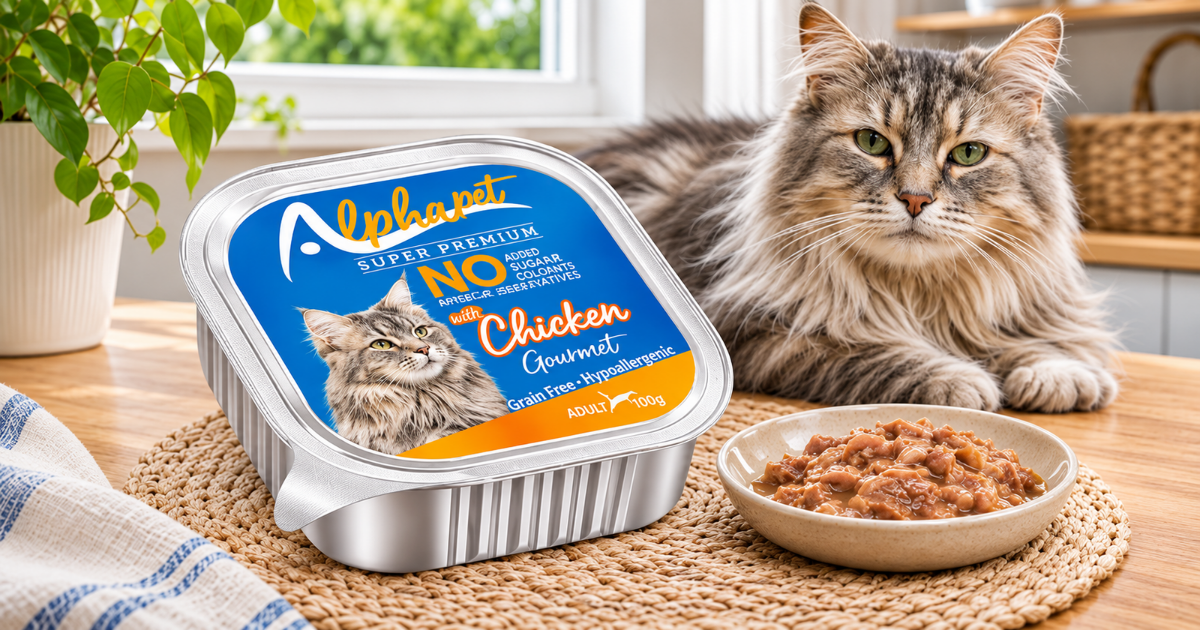
The best senior cat food in Qatar provides complete nutrition, adequate digestible protein, essential fatty acids, and calories suited to older cats. Healthy cats aged seven and above benefit from food that maintains muscle, supports digestion, and meets their hydration needs. Wet food provides additional moisture, while suitable dry food offers convenient feeding and storage.
The 2021 AAHA/AAFP Feline Life Stage Guidelines classify cats aged 7–10 as mature adults and cats over 10 as seniors.
At World of Birds – Pet & Aquatic Pet Store in Doha, Qatar, owners can explore different cat food brands and feeding formats.
This guide explains essential senior cat nutrients, suitable food options, feeding amounts, and dietary considerations for healthy ageing.
When Is a Cat Considered Senior?
Cats enter their mature adult stage at seven years old. Veterinary guidelines generally classify cats over ten years old as seniors.
However, many pet food manufacturers introduce senior formulas with a 7+ age recommendation. These products address nutritional changes that may begin during mature adulthood.
| Cat Age | Life Stage | Main Nutritional Consideration |
| 1–6 years | Young adult | Balanced maintenance nutrition |
| 7–10 years | Mature adult | Weight and muscle maintenance |
| Over 10 years | Senior | Digestibility, appetite and individual energy needs |
Ageing affects cats differently. Some seven-year-old cats remain active, while older cats may develop mobility difficulties or changes in appetite.
Best Senior Cat Food in Qatar
The best senior cat food should provide complete nutrition while meeting your cat’s individual energy and health requirements. Suitable formulas offer adequate protein, essential nutrients, and appropriate feeding instructions.
What Should Senior Cat Food Contain?
Look for these important characteristics when comparing food:
- Complete nutrition suitable for adult or older cats.
- Adequate protein to support muscle maintenance.
- Suitable calories for healthy body weight.
- Essential fatty acids for skin and coat health.
- Taurine and balanced vitamins and minerals.
- A texture that your cat can eat comfortably.
The right formula depends on your cat’s condition rather than its age alone.
A healthy eight-year-old cat may thrive on suitable adult food. However, a fourteen-year-old cat experiencing weight loss may require a different nutritional approach.
Essential Nutrients for Older Cats
Older cats need balanced nutrition to maintain muscle, body condition, and overall health. Protein quality, energy intake, hydration, and digestibility become especially important as cats age.
1. Protein for Muscle Maintenance
Healthy senior cats need adequate protein to help maintain their lean muscle mass. Ageing can increase the risk of muscle loss, particularly when food intake or nutrient absorption declines.
The 2023 AAHA Senior Care Guidelines explain that some older cats experience reduced protein digestibility.
Therefore, automatically reducing protein intake may be inappropriate for a healthy senior cat.
Read our guide on how much protein cats need for additional nutritional information.
2. Appropriate Calories
Older cats do not all need fewer calories. Mature adults may become less active, while some senior cats struggle to maintain weight.
The appropriate calorie intake depends on body condition, activity, digestive efficiency, and underlying health.
Compare the energy content of different formulas before changing portions. A smaller serving does not necessarily contain fewer calories.
3. Essential Fatty Acids
Essential fatty acids contribute to normal skin and coat condition. Certain omega-3 fatty acids also have important physiological roles.
However, fish oil or other supplements should not be added without considering the existing diet.
A complete commercial formula may already provide appropriate fatty acid levels.
4. Taurine and Essential Minerals
Taurine is an essential amino acid that supports important functions in cats, including vision and heart health.
Older cats also require balanced minerals and vitamins. Deficiencies and unnecessary supplementation can both create nutritional problems.
Cats with diagnosed kidney disease may require specific phosphorus restrictions. Healthy older cats should not automatically receive a therapeutic renal diet.
5. Moisture for Hydration
Wet cat food provides additional dietary water. This can be beneficial for older cats that consume limited water independently.
Provide fresh drinking water throughout the day. Multiple accessible water bowls may encourage drinking.
Our cat hydration guide explains additional ways to support water intake.
Best Food Options for Senior Cats
Several brands offer formulas designed for mature and senior cats. The best option depends on age suitability, nutrient profile, food texture, and individual health needs.
1. Royal Canin Mature and Ageing Formulas
Royal Canin produces age-specific formulas for mature and older cats. These ranges offer options designed around changing nutritional requirements.
Best for: Owners comparing age-specific nutrition for healthy mature and senior cats.
Check the exact recommended age on each product. Different Royal Canin ageing formulas target different life stages.
World of Birds carries Royal Canin products through its Royal Canin collection. Check current availability for mature and ageing formulas before ordering.
2. Hill’s Science Plan Mature Adult Food
Hill’s Science Plan offers mature adult nutrition formulated for cats aged seven and above. These formulas provide another option for owners seeking age-specific food.
Best for: Healthy older cats requiring complete mature adult nutrition.
Compare individual product labels, feeding recommendations, and calorie content. Hill’s mature adult formulas differ from its regular adult and veterinary prescription ranges.
3. Complete Wet Cat Food for Older Cats
A complete adult wet food may suit some healthy senior cats. Soft textures and gravy can make meals more appealing and easier to consume.
World of Birds features several AlphaPet wet-food options in its wet cat food guide for Qatar.
Best for: Older cats preferring moist meals or needing additional dietary water.
Confirm nutritional adequacy before using any wet food as the sole diet. Complementary foods cannot necessarily meet all daily nutrient requirements.
Senior Cat Food Comparison
| Food Option | Main Consideration | Suitable For |
| Mature adult 7+ dry food | Age-specific maintenance nutrition | Healthy cats aged seven and above |
| Senior-specific formula | Changing nutritional requirements | Older cats needing tailored nutrition |
| Complete wet food | Moisture and soft texture | Cats preferring moist meals |
| Energy-dense complete food | Higher calories in smaller portions | Cats with increased calorie needs |
| Veterinary therapeutic food | Disease-specific nutritional management | Cats with diagnosed conditions |
These categories describe nutritional approaches rather than independent product rankings. Always confirm product suitability and availability.
Wet vs Dry Food for Senior Cats
Wet cat food can support hydration and provide softer textures. Dry cat food offers convenient storage and measurable portions.
Both formats can suit healthy senior cats when they provide complete nutrition.
Benefits of Wet Senior Cat Food
- Higher dietary moisture.
- Softer textures that may be easier to eat.
- Appealing aromas for some selective eaters.
- Convenient individual meal portions.
However, persistent appetite loss or chewing difficulties require veterinary assessment. A softer food cannot resolve every underlying health problem.
Benefits of Dry Senior Cat Food
Dry food offers straightforward portion control and storage. It can also provide concentrated calories for cats that eat smaller quantities.
Choose a kibble size and texture your cat tolerates. Avoid assuming ordinary kibble prevents dental disease.
Our best dry cat food in Qatar guide provides additional information about available brands.
Can Senior Cats Eat Both?
Yes, many senior cats can eat a combination of complete wet and dry food.
Mixed feeding provides moisture, texture variety, and convenient calorie management. Calculate calories from both foods rather than adding one to an existing full portion.
How Much Should Senior Cats Eat?
Senior cats need enough food to maintain an appropriate body weight and muscle condition. Their daily portions depend on energy requirements and the calorie density of their food.
The AAHA nutrition guidelines for mature and senior cats highlight that energy needs may increase in some cats over ten.
Example Senior Cat Feeding Calculation
Consider an older cat with a veterinarian-established daily target of 220 calories.
Its dry food contains 3.8 calories per gram. The owner also provides one wet food pouch containing 80 calories.
| Daily Food | Portion | Calories |
| Wet food | 1 pouch | 80 kcal |
| Dry food | Approximately 37 g | 140 kcal |
| Total | 1 pouch + 37 g | 220 kcal |
This example demonstrates how to calculate mixed-feeding portions.
Dry food amount = Remaining calories ÷ calories per gram
Actual energy needs vary considerably. The example is not a universal daily recommendation for senior cats.
Monitor Weight and Muscle Condition
Weigh your older cat regularly and observe changes in its body shape. Unexplained weight loss can indicate disease rather than normal ageing.
Watch for prominent bones, reduced muscle around the spine, and changes in appetite.
Speak with your veterinarian before significantly increasing or reducing calories.
Feeding Senior Cats With Health Concerns
Older cats may develop medical conditions that change their nutritional requirements. Ordinary senior cat food cannot replace a prescribed therapeutic diet.
Senior Cats With Kidney Disease
Cats diagnosed with chronic kidney disease may benefit from specialised renal diets. These diets typically feature controlled phosphorus and other carefully adjusted nutrients.
Do not restrict protein or phosphorus without professional guidance.
The correct diet depends on the cat’s diagnosis, disease stage, and nutritional condition.
Senior Cats With Dental Problems
Soft wet food may be easier for cats experiencing dental discomfort. However, difficulty chewing can indicate painful dental disease.
Look for drooling, food dropping, or reluctance to eat. These symptoms deserve veterinary assessment rather than a food change alone.
Senior Cats Losing Weight
Unexplained weight loss can occur with several medical conditions. These include hyperthyroidism, kidney disease, diabetes, and digestive disorders.
Higher-calorie food may help some cats, but identifying the cause comes first.
Contact a veterinarian when your cat loses weight despite eating normally.
Overweight Senior Cats
Some mature and older cats remain overweight because of reduced activity. Carefully managed portions may help maintain a healthier body condition.
Avoid sudden or severe food restriction. Cats need gradual, professionally guided weight management when necessary.
Senior Cat Feeding Tips in Qatar
Senior cats living in Qatar benefit from consistent feeding routines and appropriate food storage. Indoor temperatures, air conditioning, and household routines can affect feeding comfort.
Keep Wet Food Fresh
Store opened wet food in the refrigerator according to manufacturer instructions. Serve manageable portions and remove leftovers promptly.
Read our guide on how long wet cat food can sit out for storage guidance.
Offer Smaller, Accessible Meals
Some older cats prefer several smaller meals throughout the day. Place food and water where cats can reach them comfortably.
Cats with mobility difficulties may struggle to access feeding stations on high surfaces.
Change Food Gradually
Introduce a new senior formula gradually over seven to ten days when appropriate.
Mix increasing amounts of the new food with the existing diet. Alternatively, offer the new food in a separate bowl.
Monitor appetite, digestion, and stool quality throughout the transition.
Frequently Asked Questions
Q1. What is the best senior cat food for cats aged 7+?
Answer: A complete mature adult formula with adequate protein and appropriate calories is a sensible option. Individual health and body condition determine the best choice.
Q2. Should a seven-year-old cat switch to senior food?
Answer: Not necessarily. A healthy seven-year-old cat may continue eating suitable adult food. Review nutrition and weight with your veterinarian.
Q3. Is wet food better for senior cats?
Answer: Wet food provides additional moisture and softer textures. However, complete dry food can also suit older cats with appropriate feeding portions.
Q4. Do senior cats need more protein?
Answer: Some healthy older cats need additional protein to maintain muscle. Cats with specific medical conditions may require different nutritional management.
Q5. Can senior cats eat regular adult cat food?
Answer: Yes, when the food meets their nutritional requirements. A senior label does not automatically make a product better.
Q6. Why is my senior cat losing weight?
Answer: Weight loss may result from reduced food intake, poor nutrient absorption, or illness. A veterinary examination helps identify the cause.
Conclusion
The best senior cat food in Qatar supports healthy ageing with adequate protein, balanced nutrition, appropriate calories, and hydration. Choose a formula suited to your cat’s age, weight, and health.
Explore the World of Birds cat food collection in Qatar for nutritious wet and dry food options. Visit our store at Souq Al Ali, Doha, Qatar, or call +974 33311542 for product availability.
