






How to Change Dog Food Safely: A 7-Day Transition Guide

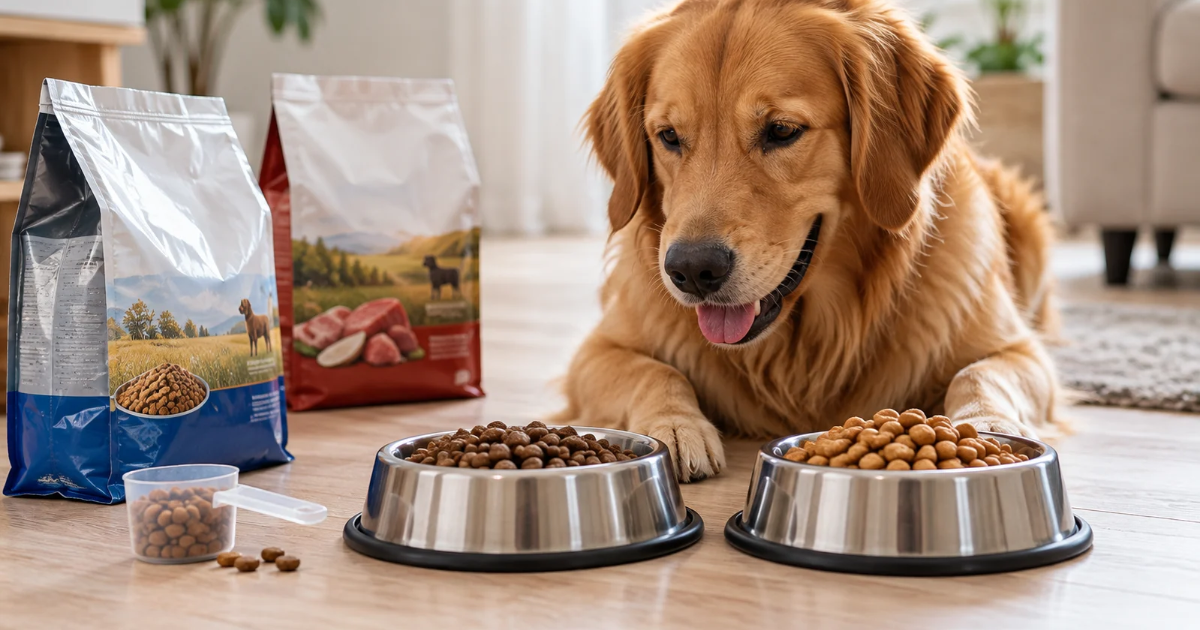
How to switch dog food safely? Gradually replace the old food with the new food over about seven days. This approach gives your dog’s digestive system time to adjust and can reduce vomiting, diarrhoea and appetite changes.
At World of Birds in Souq Al Ali, Doha, we help dog owners compare different food types and formulas. A food change may happen because of age, activity, preference, availability or a new nutritional need. Purina recommends a gradual transition over 7–10 days, while the American Kennel Club describes a 5–7-day transition for many dogs.
This guide focuses specifically on the switching process. You will learn the seven-day schedule, what to monitor, common mistakes and when a slower transition may be better.
Why Should You Switch Dog Food Gradually?
Gradual food changes allow your dog’s digestive system to adapt to the new formula. Sudden changes can cause gastrointestinal upset, including loose stools, vomiting, gas and reduced appetite.
Dogs become accustomed to their regular food over time. Changing ingredients, fat levels, protein sources or food texture can therefore affect digestion.
A gradual transition also makes problems easier to identify. If symptoms appear, you can slow the change instead of introducing several variables at once.
When Should You Change Dog Food?
Common reasons for changing dog food include:
- Your puppy is moving to an adult formula.
- Your dog’s activity level has changed.
- Your veterinarian recommends a different diet.
- Your dog needs a different food format.
- Your current food is unavailable.
- Your dog has developed a preference for another formula.
- You want to change brands or recipes.
The reason for switching should determine the new food. Do not change food simply because a package makes stronger marketing claims.
For general food-selection guidance, World of Birds has a separate guide covering dog food for sensitive stomachs.
How to Switch Dog Food in 7 Days
The simplest seven-day method starts with 25% new food and increases it until your dog eats 100% new food. The American Kennel Club recommends this gradual approach for many dogs, while some dogs need longer.
| Days | Old Food | New Food |
| Days 1–2 | 75% | 25% |
| Days 3–4 | 50% | 50% |
| Days 5–6 | 25% | 75% |
| Day 7 | 0% | 100% |
Mix the foods according to the percentages above.
Keep the total daily amount appropriate for your dog’s weight and feeding instructions. Do not simply add the new food on top of the normal amount.
Days 1–2: Start Slowly
Begin with approximately 25% new food and 75% old food. This small introduction lets your dog experience the new taste and ingredients without making a sudden change.
Watch your dog’s stool and appetite during these first two days. If everything remains normal, continue to the next stage.
Days 3–4: Move to Half and Half
Increase the new food to approximately 50%. Reduce the previous food to approximately 50%. At this stage, your dog receives an equal mixture of both formulas.
Continue monitoring stool consistency, appetite, energy and general behaviour.
Days 5–6: Increase the New Food
Move to approximately 75% new food and 25% old food. Your dog’s digestive system should now be receiving mostly the new formula.
Keep the feeding routine consistent during this stage. Avoid adding new treats or table foods that could confuse the results.
Day 7: Complete the Switch
On day seven, provide 100% of the new food. Continue using the manufacturer’s feeding guide as your starting point.
Monitor your dog’s body condition after the transition. The final portion may differ from the previous food because different formulas have different calorie densities.
How Much New Food Should You Mix?
Use the percentages in the transition schedule rather than adding fixed amounts of new food to the normal meal. The total daily portion should remain appropriate for the dog’s weight, activity and the new food’s feeding instructions.
For example, suppose your dog normally receives 200 grams daily.
During days 1–2, the mixture would contain:
- 150g old food
- 50g new food
During days 3–4:
- 100g old food
- 100g new food
During days 5–6:
- 50g old food
- 150g new food
On day 7:
- 200g new food
This example shows the ratio rather than prescribing a universal feeding amount. Always check the feeding instructions printed on the new food.
What Should You Monitor During a Food Change?
Monitor stool quality, appetite, vomiting, gas, energy and overall behaviour during the transition. These changes can show whether your dog is adapting normally or needs a slower transition.
Keep a simple daily record if your dog has previously experienced digestive problems.
You can record:
| What to monitor | What to look for |
| Stool | Normal, soft or watery |
| Appetite | Normal eating or refusal |
| Vomiting | None or repeated episodes |
| Gas | Normal or noticeably increased |
| Energy | Normal activity or unusual tiredness |
| Skin | New itching or irritation |
| Weight | Stable or unexpected change |
The American Kennel Club recommends paying attention to stool quality during dietary transitions.
An ideal stool pattern is more useful than judging the food from one isolated bowel movement.
Is Soft Stool Normal During a Food Change?
A slightly softer stool can occur during a food transition, but persistent or severe diarrhoea needs attention. Slow the transition if your dog develops digestive upset, and contact a veterinarian when symptoms are concerning or persistent.
Do not immediately add another food to fix the problem. That can make it harder to identify what caused the reaction.
Instead, return to the previous transition stage if your dog was previously comfortable. Then continue more slowly if appropriate.
What If Your Dog Gets Diarrhoea?
If diarrhoea develops after changing food, slow the transition and monitor your dog closely. Persistent diarrhoea can have many causes, so food should not automatically be blamed.
Possible causes include:
- Sudden dietary change
- Food intolerance
- Dietary indiscretion
- Parasites
- Infection
- Stress
- Underlying gastrointestinal disease
World of Birds’ Dog Food for Sensitive Stomachs guide covers digestive symptoms and food-selection considerations separately.
If symptoms are severe, persistent or accompanied by weakness, dehydration or blood, contact a veterinarian promptly.
Should Sensitive Dogs Switch Food More Slowly?
Yes, some sensitive dogs may need more than seven days to adjust to a new food. Veterinary guidance supports slowing the transition when loose stools, vomiting or appetite changes appear.
A sensitive dog may respond better to smaller increases. For example, you could remain at 25% new food for several extra days.
Then increase the new portion only after stools and appetite stabilise. Dogs with diagnosed gastrointestinal conditions may require a veterinarian-directed transition instead.
Do not use a standard seven-day schedule as a medical treatment.
How Do You Switch From Dry to Wet Dog Food?
Switching from dry to wet food should also happen gradually rather than replacing the entire meal immediately. The texture, moisture and nutrient density can differ significantly between the two food formats.
Start by mixing a small amount of wet food with the existing diet. Then gradually increase the wet portion.
World of Birds currently lists Alpha Pet Premium Adult Dog with Lamb in Gravy as a complete adult wet-food option, although its current product page shows it as out of stock.
For broader wet-food information, see the World of Birds guide to wet dog food options in Qatar.
How Do You Switch Between Dog Food Brands?
Switching brands uses the same gradual principle, even when both foods appear similar. Different brands can use different ingredients, calorie densities, protein sources and fibre levels.
Do not compare foods only by the protein percentage. Check the complete nutritional profile and intended life stage.
World of Birds currently lists several adult formulas that can be compared when planning a diet change.
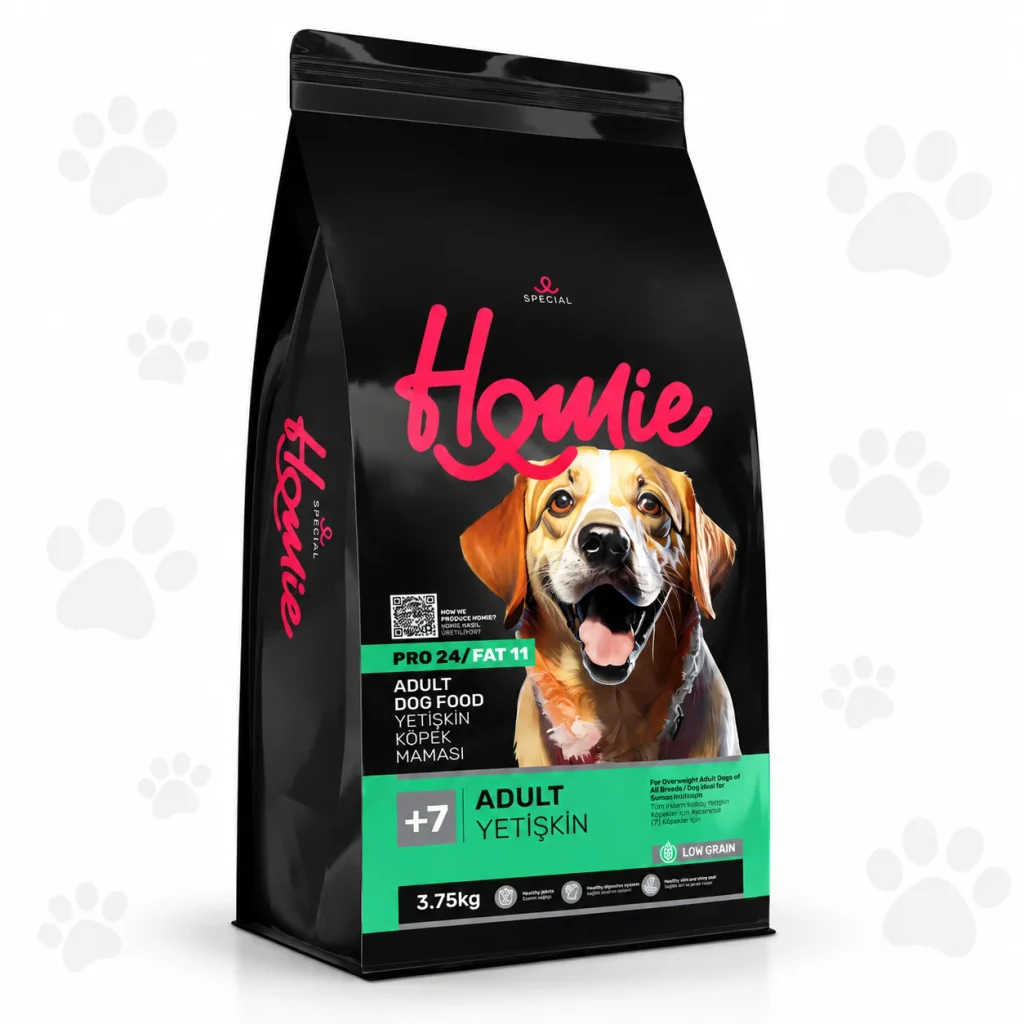
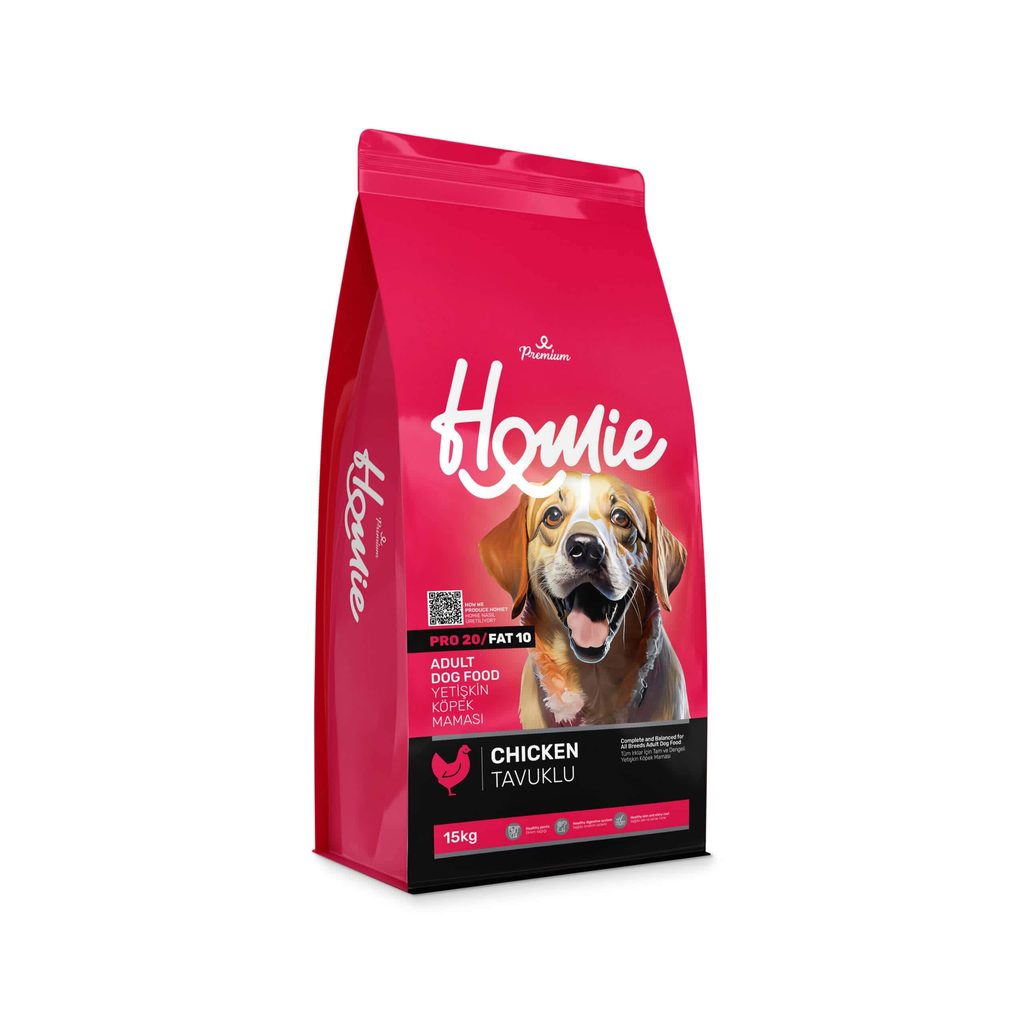
For example, Homie Premium Adult Dog Food Chicken is an adult dry-food option.
Homie Super Premium Adult Dog Food Lamb provides another adult formula with a lamb-based recipe.
Choose the new food based on your dog’s actual nutritional needs rather than changing formulas frequently.
What If Your Dog Refuses the New Food?
If your dog refuses the new food, slow the transition and avoid forcing a sudden change. Some dogs need more time to accept a different smell, taste, texture or kibble shape.
Try returning to the previous ratio your dog accepted. Then increase the new food more slowly.
Keep treats and table foods consistent during the process. If your dog refuses food completely, contact your veterinarian, especially if other symptoms appear.
A sudden loss of appetite can sometimes indicate illness rather than simple food preference.
Can Puppies Switch Dog Food?
Puppies can switch food, but their new formula must match their growth-stage nutritional needs. Puppy food should not be replaced with adult food simply because the puppy reaches a certain calendar date.
The correct transition timing depends on breed size, maturity and the specific food. Large and giant breeds may remain on puppy formulas longer than smaller breeds.
World of Birds has a dedicated Puppy Food in Qatar category with growth-stage options.
For example, Homie Super Premium Puppy Food Chicken is currently listed for puppies.
If your puppy is moving to adult food, use a gradual transition unless your veterinarian recommends another approach.
What If You Need to Change Food Immediately?
Most routine food changes should be gradual, but some medical situations require a different transition plan. A veterinarian may recommend a faster change when a specific therapeutic diet is necessary.
Follow the veterinary instructions instead of applying a generic seven-day schedule. This is particularly important for dogs with diagnosed medical conditions.
Therapeutic diets can have specific nutritional purposes that require careful management.
PetMD also notes that veterinarian-directed therapeutic diets may require individual transition instructions.
Never delay necessary treatment simply to complete a standard food transition.
What Are the Most Common Switching Mistakes?
The biggest mistake is changing the food too quickly, but adding several new foods can also make the transition harder to assess. Keeping the routine simple makes it easier to identify whether your dog tolerates the new formula.
Avoid these common mistakes:
- Replacing the old food overnight.
- Increasing the new food too quickly.
- Feeding extra treats during the transition.
- Adding table scraps.
- Ignoring repeated diarrhoea.
- Changing food again after one soft stool.
- Using the same portion without checking calorie differences.
- Switching to a different life-stage formula incorrectly.
- Assuming every digestive problem comes from food.
- Ignoring veterinary advice for medical diets.
Consistency is especially important when a dog already has digestive sensitivity. A slower transition is usually easier to manage than repeated sudden changes.
Frequently Asked Questions
Q1. How long should it take to switch dog food?
Answer: A gradual dog-food transition usually takes about seven days, although some dogs need longer. Purina recommends 7–10 days, while the American Kennel Club recommends a 5–7-day transition for many dogs. Sensitive dogs may need a slower schedule.
Q2. Can I switch my dog’s food overnight?
Answer: It is usually better not to switch dog food overnight unless a veterinarian specifically instructs you to do so. Sudden changes can cause digestive upset. Gradually increasing the new food gives your dog’s digestive system more time to adjust.
Q3. What is the 7-day dog food transition schedule?
Answer: The standard seven-day schedule uses 75% old food and 25% new food during days 1–2. Use 50% of each during days 3–4, then 25% old and 75% new during days 5–6. Feed 100% new food on day seven.
Q4. What if my dog gets diarrhoea after changing food?
Answer: Slow the transition if your dog develops mild digestive upset after changing food. Persistent or severe diarrhoea requires veterinary advice because infections, parasites, dietary indiscretion and other conditions can cause similar symptoms.
Q5.Should I switch dog food if my dog has a sensitive stomach?
Answer: A sensitive dog may need a slower transition and a carefully selected diet. Food changes should not be used to diagnose medical problems. If vomiting, diarrhoea or appetite loss continues, speak with a veterinarian.
Q6.Can I mix two different dog foods?
Answer: Yes, mixing old and new dog food is the standard method for a gradual transition. Start with a small amount of the new food and increase it gradually. Keep the total daily portion appropriate for the dog’s nutritional needs.
Q7.How do I switch my puppy from puppy food to adult food?
Answer: Switch puppy food gradually when your dog reaches the appropriate maturity for its breed size and formula. Smaller breeds often mature earlier, while large and giant breeds may need puppy food longer. Follow the food manufacturer’s guidance and veterinary advice.
Final Answer: How to Switch Dog Food Safely
The safest way to switch dog food is to replace the old formula gradually over about seven days. Start with 75% old food and 25% new food, then increase the new food every two days.
If your dog struggles with the change, slow down rather than forcing the next step. Dogs with sensitive stomachs or medical conditions may require a longer or veterinarian-directed transition.
At World of Birds in Souq Al Ali, Doha, you can compare adult, puppy, dry and wet dog-food options for different feeding needs.
Check the current Dog Food in Qatar range before choosing a new formula. Always compare the exact feeding instructions because calorie density can differ between products.
Need help choosing a suitable dog food in Qatar? Visit World of Birds in Souq Al Ali, Doha, or browse the current dog-food range online.
