







Dog Food for Sensitive Stomachs: Signs & How to Choose the Right Food

Dog food for sensitive stomachs should be selected based on the cause of digestive upset, the dog’s nutritional needs and how well the diet is tolerated. Common signs include recurring loose stools, vomiting, gas, reduced appetite and abdominal discomfort. However, these symptoms can also result from parasites, infections, dietary indiscretion or other medical conditions.
At World of Birds in Souq Al Ali, Doha, we stock dog food for different life stages and feeding needs, including sensitive-care formulas. Our range includes dry and wet dog food options from brands available to dog owners across Qatar.
This guide explains the signs of a sensitive stomach, what to look for in dog food, how to change food gradually and when digestive symptoms need veterinary attention.
Key Takeaways
- Sensitive-stomach signs can include vomiting, diarrhoea, gas and poor appetite.
- Digestive symptoms have many possible causes.
- Highly digestible diets may be useful for some dogs.
- Lower-fat diets can be appropriate for certain gastrointestinal conditions.
- Novel or hydrolyzed protein diets may be used when adverse food reactions are suspected.
- Change food gradually instead of making a sudden switch.
- Avoid adding multiple new foods or treats during a diet trial.
- Persistent symptoms require veterinary assessment.
What Are Signs of a Sensitive Stomach?

Common signs of digestive sensitivity in dogs include loose stools, diarrhoea, vomiting, excessive gas, reduced appetite and abdominal discomfort. These signs are not specific to food sensitivity, so repeated symptoms should be investigated rather than treated only by changing food.
Loose Stool and Diarrhoea
Soft or watery stools are common signs of gastrointestinal upset.
A single episode may follow a sudden food change or dietary indiscretion. Repeated diarrhoea needs more attention because parasites, infections, inflammation and other disorders can cause similar symptoms.
Vomiting and Regurgitation
Occasional vomiting can happen for several reasons.
Repeated vomiting, weakness, dehydration or weight loss should not be managed by changing food alone. Merck Veterinary Manual lists gastrointestinal inflammation, dietary problems and other systemic conditions among possible causes.
Gas and Abdominal Discomfort
Some dogs develop increased gas after eating a particular food or eating too quickly.
If gas continues alongside diarrhoea, vomiting, poor appetite or weight loss, speak with a veterinarian.
What Causes Digestive Sensitivity in Dogs?
Digestive sensitivity can result from dietary changes, food intolerance, dietary indiscretion, parasites, infections, inflammation or other gastrointestinal problems. Food is only one possible factor, so the dog’s complete history matters.
Sudden Food Changes
Changing food too quickly can upset digestion. This is why a gradual transition is useful when introducing a new diet. A slower change also makes it easier to identify whether the new food is being tolerated.
Dietary Indiscretion
Dogs often eat things outside their normal diet.
Garbage, table scraps, excessive treats, fatty foods and non-food objects can all contribute to gastrointestinal problems. VCA identifies dietary indiscretion as a common cause of adverse digestive reactions.
Food Intolerance
Food intolerance describes an adverse reaction that does not involve the immune system.
It can cause digestive signs such as diarrhoea, bloating or abdominal discomfort. Food allergy is different because it involves an immune response to a food component.
What Is the Best Dog Food for Sensitive Stomachs?
The best dog food for a sensitive stomach depends on the dog’s symptoms and their underlying cause. Veterinary gastrointestinal diets may be highly digestible, lower in fat, higher in fibre or formulated with hydrolyzed or novel proteins for specific cases.
There is no single ingredient that works for every dog.
Highly Digestible Ingredients
Highly digestible food allows the dog to absorb a greater proportion of nutrients.
Veterinary gastrointestinal diets are often formulated with digestibility in mind. The exact formula should match the dog’s condition rather than relying on a single ingredient or marketing claim.
Protein Source
Protein choice can matter when a food reaction is suspected.
A veterinarian may recommend a novel protein that the dog has not previously eaten. Another option is a hydrolyzed protein diet, where proteins are broken into smaller fragments.
Fat Level
Some gastrointestinal conditions respond better to lower-fat diets.
This can be particularly relevant for dogs with chronic pancreatitis or certain chronic gastrointestinal disorders. However, fat restriction should be based on the dog’s condition and veterinary advice.
What Should You Look for in Dog Food?
When selecting dog food for sensitive stomachs, check digestibility, life-stage suitability, protein sources, fat content and whether the food provides complete and balanced nutrition. The right choice depends on the dog’s individual needs.
Use this checklist:
- Appropriate life stage
- Complete and balanced nutrition
- Suitable protein source
- Appropriate fat level
- Digestibility
- Clear feeding instructions
- Reliable manufacturer information
- Consistent formula
The nutritional adequacy statement is particularly important. Merck explains that dog-food labels identify whether a product is intended to provide complete nutrition and which life stage it supports.
Do Not Judge Food by One Ingredient
A food containing chicken, lamb or rice is not automatically suitable for every sensitive dog.
The complete formulation matters.
Likewise, grain-free food is not automatically easier to digest. If a specific food reaction is suspected, proper dietary testing is more useful than choosing products based only on front-label claims.
Sensitive Stomach Dog Food in Qatar
World of Birds in Souq Al Ali, Doha, stocks dog-food options that can suit different feeding requirements, including sensitive-care formulas. Product availability can change, so check the current product information before purchasing.
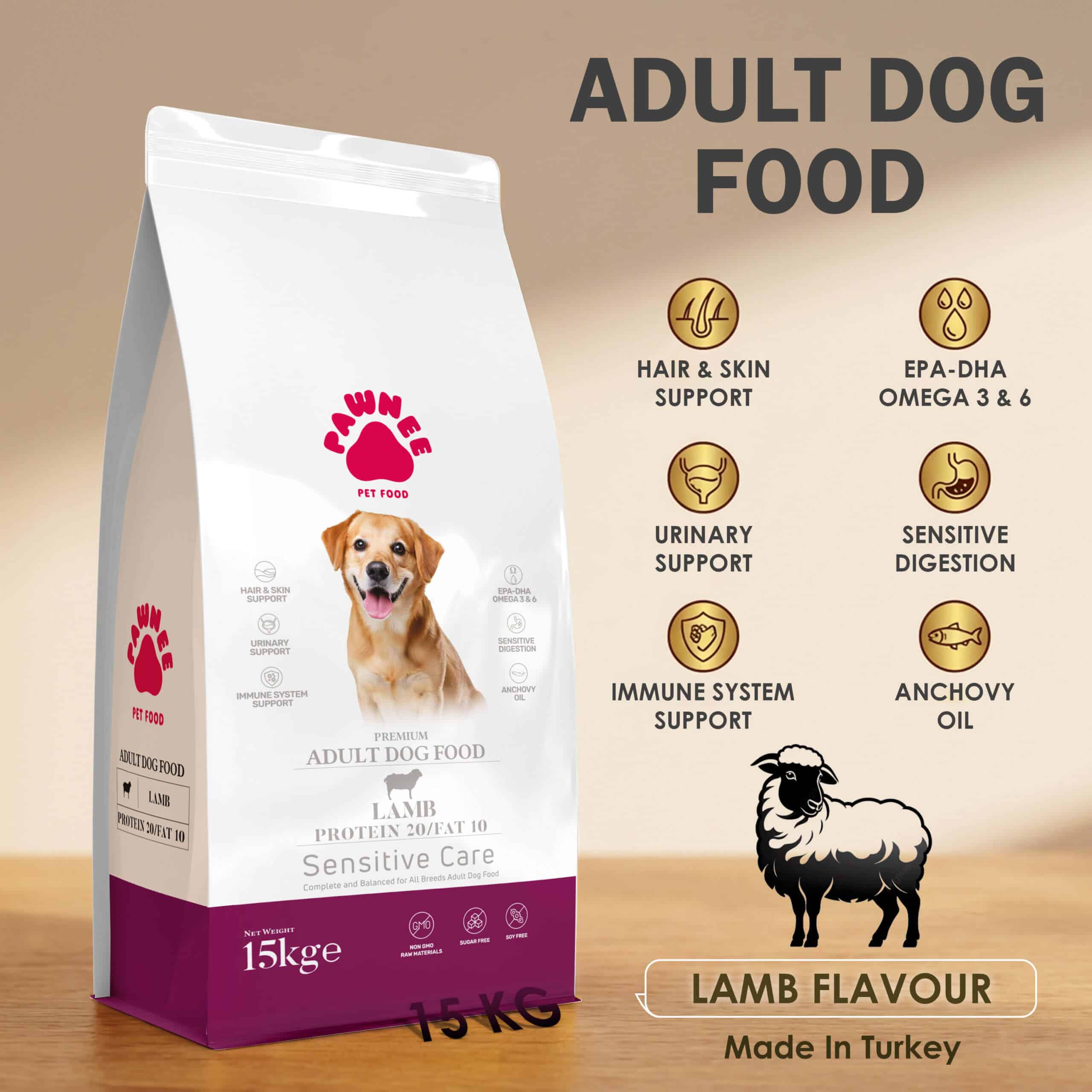
Pawnee Sensitive Care Lamb
Our Pawnee Premium Adult Dog Food with Lamb – Sensitive Care is specifically listed as a sensitive-care adult dog food.
The product information lists lamb, a sensitive digestion formula and fibre, along with omega-3 and omega-6 fatty acids. It also lists 24% protein and 11% fat.
This makes it a relevant retail option for owners looking for a dog food positioned around sensitive digestion.
Pawnee Sensitive Care for Puppies
Puppies need growth-appropriate nutrition.
Our Pawnee Premium Puppy Dog Food with Lamb – Sensitive Care is specifically listed for puppies and sensitive care. The product information includes lamb, DHA-related nutritional support and a sensitive digestion formulation.
A puppy should not automatically be placed on adult food because of digestive sensitivity.
Is Lamb Good for Sensitive Dogs?
Lamb can be useful in a sensitive-dog diet when it provides a protein source the dog tolerates well. However, lamb is not automatically better for every dog, and a suspected food allergy may require a properly controlled elimination diet.
Lamb is often used in commercial diets because it provides an alternative protein source for dogs that have eaten chicken or beef frequently.
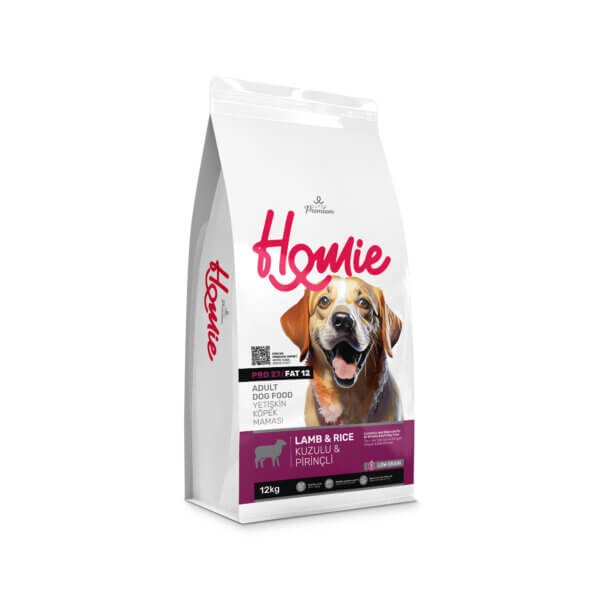
Our Homie Super Premium Dog Food Adult is one lamb-based adult option in the World of Birds range. The product information lists lamb protein, rice and hydrolyzed lamb protein.
However, it should not be presented as a medical treatment for food allergy.
Lamb vs Chicken
| Factor | Lamb-based food | Chicken-based food |
| Protein source | Lamb | Chicken |
| Useful for protein rotation | Yes | Yes |
| Automatically hypoallergenic | No | No |
| Suitable for sensitive dogs | Depends on individual tolerance | Depends on individual tolerance |
| Suitable for elimination trial | Only if veterinarian recommends | Only if veterinarian recommends |
The key factor is whether the dog tolerates the complete formula.
How Should You Change Dog Food?
Introduce new dog food gradually over several days rather than replacing the old food suddenly. A gradual transition can reduce the chance of digestive upset during the change.
A practical seven-day transition is:
- Days 1–2: 75% old food + 25% new food
- Days 3–4: 50% old food + 50% new food
- Days 5–6: 25% old food + 75% new food
- Day 7: 100% new food
This type of gradual transition is also recommended in World of Birds’ existing guidance on changing dog food.
Keep the Diet Consistent
During a sensitive-stomach transition, avoid introducing several new foods at once.
Keep treats, table scraps and supplements consistent unless your veterinarian recommends otherwise.
This makes it easier to identify whether the new diet is being tolerated.
Should You Use Wet or Dry Food?
Both wet and dry dog food can be suitable, but the best format depends on the dog’s nutritional needs, appetite, chewing ability and feeding routine. Dogs with gastrointestinal problems may sometimes benefit from veterinary therapeutic diets designed for their specific condition.
Wet food has higher moisture content and can be easier for some dogs to eat.
Dry food is convenient and simple to measure.
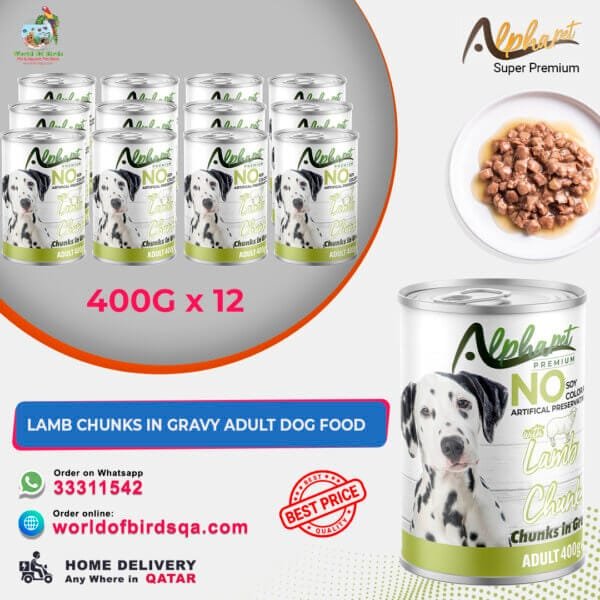
World of Birds also stocks wet dog food, including Alpha Pet Premium Adult Dog with Lamb. The product is listed as a complete adult dog meal with lamb in gravy.
The important point is not to switch formats suddenly when a dog already has digestive upset.
Can Sensitive Dogs Eat Treats?
Dogs with ongoing digestive problems may need a simpler diet, and treats can interfere with a controlled dietary trial. During a veterinarian-directed elimination diet, Merck recommends that the prescribed diet be the only food source unless the veterinarian approves otherwise.
If your dog is not undergoing an elimination trial, suitable treats can still be used in moderation.
Avoid constantly changing treat types.
Keep a Food Diary
A food diary can help identify patterns.
Record:
- Main food
- Treats
- Supplements
- Feeding times
- Stool consistency
- Vomiting episodes
- Appetite
- Any unusual foods eaten
VCA recommends keeping a detailed diet history when investigating suspected adverse food reactions.
When Should You See a Veterinarian?
A veterinarian should assess persistent vomiting, diarrhoea, appetite loss, weight loss, dehydration or other recurring digestive symptoms. Food sensitivity is only one possible explanation, and gastrointestinal disease can have many causes.
Seek veterinary advice when:
- Vomiting keeps returning
- Diarrhoea persists
- Your dog stops eating
- Your dog becomes weak or unusually tired
- Your dog loses weight
- You notice dehydration
- Blood appears in vomit or stool
- Your dog may have swallowed a foreign object
- Symptoms occur repeatedly after meals
Merck notes that chronic gastrointestinal signs can have several causes and may require blood, urine, faecal or imaging tests.
Food Allergy Testing
Do not rely on blood or saliva tests alone to diagnose a food allergy.
Merck states that these tests are unreliable for diagnosing adverse food reactions. A properly controlled food trial is generally used when a dietary reaction is suspected.
Frequently Asked Questions
What is the best dog food for sensitive stomachs?
The best dog food for a sensitive stomach depends on the cause of the digestive problem. Highly digestible diets may help some dogs, while others may need lower-fat, novel-protein or hydrolyzed-protein diets. Veterinary guidance is important when symptoms are persistent or severe.
What are the signs of a sensitive stomach in dogs?
Common signs include loose stools, diarrhoea, vomiting, gas, reduced appetite and abdominal discomfort. These symptoms can also result from parasites, infections, dietary indiscretion and other diseases, so recurring signs should be assessed by a veterinarian.
Is lamb good for dogs with sensitive stomachs?
Lamb can suit some dogs with digestive sensitivity, particularly when it provides a protein source the dog tolerates well. However, lamb is not automatically hypoallergenic, and dogs with suspected food allergies may need a veterinarian-guided elimination diet.
Is grain-free food better for a sensitive stomach?
Not necessarily. Grain-free food is not automatically more digestible or better for every sensitive dog. The complete formulation, protein source, fat level and individual tolerance matter more than the absence of grains.
How long does it take for a dog to adjust to new food?
Many dogs benefit from a gradual transition over about seven days, although the appropriate pace can vary. Dogs with existing digestive problems may need a more carefully managed diet change. If symptoms worsen during the transition, contact your veterinarian.
Can I give treats to a dog with a sensitive stomach?
Treats may be inappropriate during a strict elimination diet unless the veterinarian approves them. For other dogs, suitable treats can be used in moderation, but introducing several new treats at once can make digestive problems harder to assess.
Dog Food for Sensitive Stomachs: Final Answer
Dog food for sensitive stomachs should match the dog’s individual digestive needs rather than relying on one ingredient or marketing claim. Highly digestible food, appropriate fat levels and suitable protein sources can be useful for some dogs, while suspected food allergies may require a controlled elimination diet.
At World of Birds in Souq Al Ali, Doha, we stock dog food for puppies and adult dogs, including sensitive-care options such as Pawnee Premium Adult Dog Food with Lamb – Sensitive Care. Our wider dog food range in Qatar includes dry and wet formulas for different feeding needs.
For dogs with repeated vomiting, diarrhoea, appetite loss, weight loss or other ongoing symptoms, veterinary assessment should come before repeated food changes.
Visit World of Birds in Souq Al Ali, Doha or contact our team to check available dog-food options based on your dog’s age, current diet and feeding needs.
