






Fish Flakes vs Pellets: Which Is Better for Aquarium Fish?

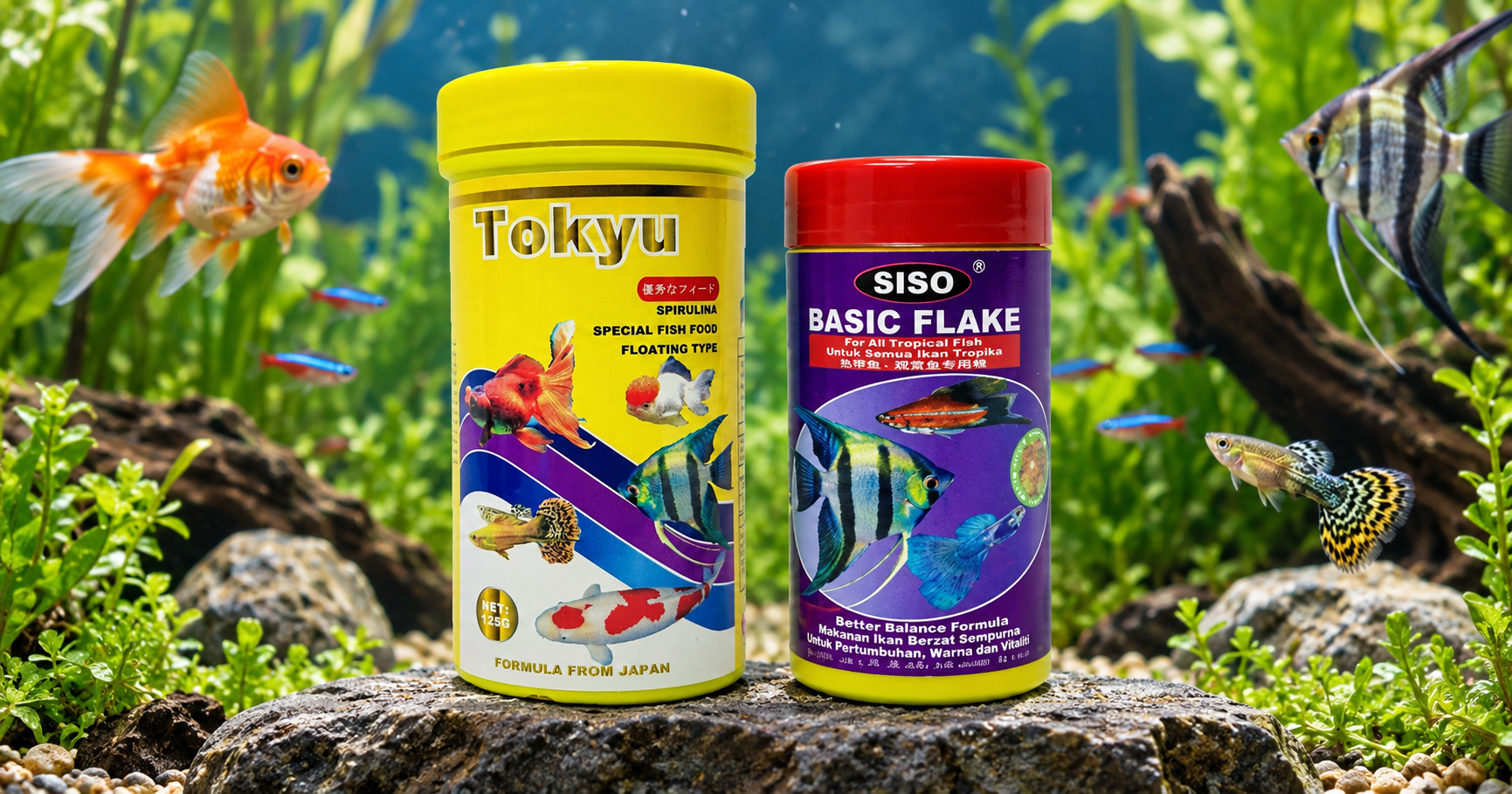
Fish flakes vs pellets is mainly a choice between feeding format, fish size and feeding behaviour. Flakes are practical for many small community fish, while pellets offer different sizes and floating or sinking options. The better food depends on the species, mouth size, feeding level and nutritional needs of your aquarium fish.
Fish flakes are thin and light, so they can be crushed easily for smaller fish. Pellets are compressed and available in different sizes, making them useful for fish with different feeding habits. Both can form part of a suitable feeding routine when the formula matches the species.
For aquarium owners in Doha and across Qatar, World of Birds stocks both flake and pellet foods through its aquarium fish-food range. This guide compares the two formats and explains when each may be more practical.
Key Takeaways
- Fish flakes work well for many small community and surface-feeding fish.
- Fish pellets offer more options for food size and feeding level.
- Neither format is automatically better for every aquarium.
- Food size should match the fish’s mouth size.
- Floating food suits surface feeders, while sinking food can suit bottom feeders.
- Overfeeding, rather than the food format itself, can contribute to unnecessary aquarium waste.
- Always match the food’s nutritional profile and intended fish species with your aquarium.
- World of Birds stocks both flake and pellet fish food in Qatar for different freshwater aquarium setups.
Fish Flakes vs Pellets: What’s the Difference?
Fish flakes and pellets can both provide daily nutrition, but the better option depends on your fish species, mouth size, feeding level and the way the food behaves in water. Flakes work well for many small community fish, while pellets offer different sizes and sinking or floating options for a wider range of fish.
The key difference is physical form. Flakes are thin, light pieces that float briefly and then sink. Pellets are compressed pieces that can float, sink slowly or sink quickly depending on their design.
For aquarium owners in Qatar, the choice also affects feeding control and tank maintenance. At World of Birds, we stock both flake and pellet foods through our aquarium fish-food range in Doha. Our current selection includes SISO flake foods for tropical and ornamental fish and SISO floating pellets for freshwater aquarium feeding.
Fish Flakes vs Pellets: Which Is Better?
Neither fish flakes nor pellets are universally better. The right food should match the fish’s feeding behaviour, mouth size, nutritional needs and the way you manage your aquarium.
Flakes suit many small and medium community fish because they are light, easy to break into smaller pieces and remain accessible near the surface. Pellets offer more control over size and feeding level, with floating and sinking options available for different fish.
The decision becomes easier when you look at the actual fish in your aquarium rather than choosing food by format alone.
| Feature | Fish Flakes | Fish Pellets |
| Shape | Thin, light pieces | Compressed pieces |
| Feeding level | Surface, then slowly sinking | Floating, slow-sinking or sinking |
| Small fish | Often suitable | Micro pellets may suit small fish |
| Portion control | Easy to pinch and break | Easy to count or measure |
| Water behaviour | Can break apart quickly | Usually holds its shape longer |
| Food size | Easy to crush | Available in different sizes |
| Best use | Many community fish | Wider range of feeding levels |
What Are Fish Flakes?
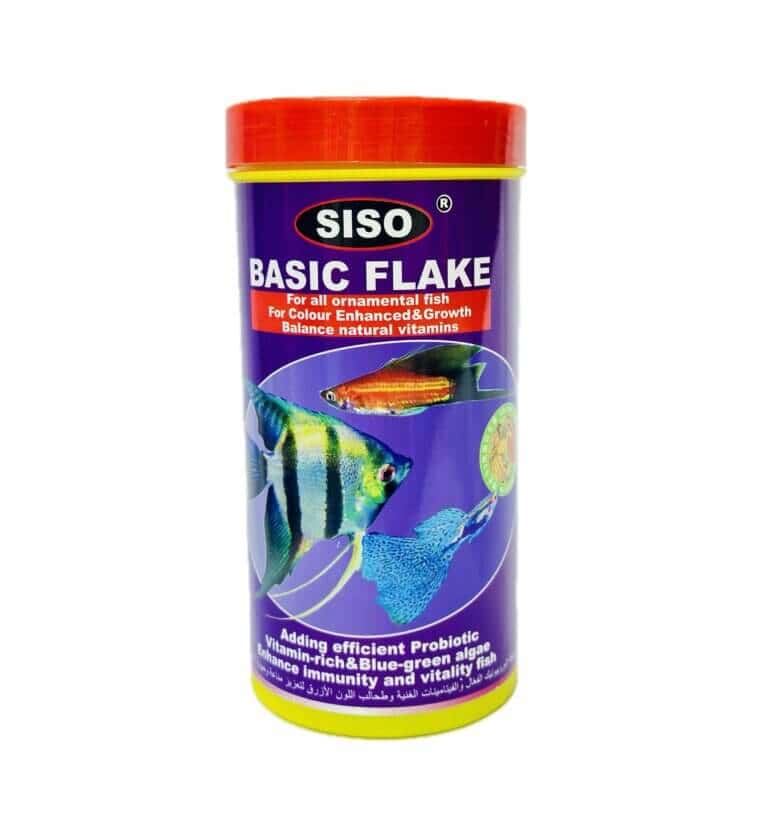
Fish flakes are thin, dried pieces of commercial fish food that float briefly before absorbing water and sinking. They have long been used in ornamental fish keeping and can work well for small fish that feed near the surface or middle of the aquarium.
Their thin structure makes flakes easy to crush. That helps when a community tank contains smaller fish with small mouths.
Benefits of Fish Flakes
Flakes offer several practical advantages:
- Easy portioning: You can start with a small pinch and add only what the fish consume.
- Easy to crush: Larger flakes can be broken into smaller pieces for small fish.
- Good surface access: Floating flakes give surface feeders quick access to food.
- Useful for community tanks: Many small tropical and ornamental fish accept flake foods readily.
Our SISO 1000ml Basic Flake Fish Food for Tropical Fish is listed for tropical and ornamental fish and comes in flake form. The product information also recommends small amounts and removing excess food when necessary.
What Are Fish Pellets?
Fish pellets are compressed pieces of aquarium food available in different sizes and feeding styles. Depending on their design, pellets can float, sink slowly or reach the bottom of the tank.
This gives pellets an advantage when a tank contains fish that feed at different levels.
Benefits of Fish Pellets
- Different sizes: Small pellets can suit smaller fish, while larger formats can suit larger species.
- Feeding control: A consistent pellet size can make portioning easier.
- Different feeding levels: Floating and sinking varieties let owners target different fish.
- Longer water stability: Pellets should still be removed if fish leave them uneaten. Merck Veterinary Manual specifically advises against allowing pellets to dissolve in aquarium water because they can contribute to pollution.
Our SISO 100g Floating Pellet Fish Food for Aquariums is listed for tropical and ornamental fish and is designed for surface feeding. Its product information identifies consistent pellet size as one of its features.
Fish Flakes vs Pellets for Different Fish
The fish species should guide the decision more than the food’s appearance.
Flakes for Small Community Fish
Flakes can work particularly well for fish such as guppies, tetras and other small community species that readily feed near the surface or middle of the tank.
Their soft structure also makes them easy to break into smaller pieces.
Pellets for Surface Feeders
Floating pellets can work well when fish actively feed at the surface.
They also make it easier to see how much food remains because the pieces stay visible while floating.
Pellets for Larger Fish
Larger fish need appropriately sized food. A pellet that does not fit comfortably in a fish’s mouth may go uneaten.
The University of Florida notes that pellet size matters because very small pellets may not suit larger fish, while large pellets may not fit smaller fish mouths.
What About Goldfish?
Goldfish can eat both flakes and pellets when the food suits their size and nutritional needs.
World of Birds currently lists SISO Gold Fish Food Flake products specifically for goldfish and freshwater aquariums.
Fish Flakes vs Pellets for Water Quality
The amount of uneaten food matters more to water quality than whether the food comes as flakes or pellets. Both formats can contribute to waste when owners feed more than the fish consume.
Flakes can break apart quickly, while pellets may remain intact for longer. That does not make pellets immune to waste. Uneaten pellets still need attention.
Merck Veterinary Manual advises that pellets should not remain in water long enough to dissolve because dissolved food can contribute to aquarium pollution.
Our existing Aquarium Water Quality Qatar guide covers the wider relationship between feeding, waste and aquarium conditions.
How Much Fish Food Should You Give?
Start with a small amount and watch the fish eat.
A practical feeding check is simple:
- Add a small portion.
- Watch how quickly the fish consume it.
- Stop adding food once the fish have enough.
- Remove obvious leftovers when necessary.
PetMD currently advises feeding aquarium fish only an amount they can consume within roughly two to five minutes, while also stressing that feeding needs vary by fish.
Fish Flakes vs Pellets for Daily Feeding
For daily feeding, both formats can work when the food provides suitable nutrition for the species. The most useful format is the one your fish eat efficiently without creating unnecessary waste.
World of Birds’ current fish-food category includes both flakes and floating pellets, so owners can match the food format to their aquarium rather than relying on one format for every species.
For a broader look at available formats, see our Top 7 Fish Food in Qatar guide.
When Flakes Make More Sense
Choose flake food when your fish:
- Feed mainly near the surface
- Have small mouths
- Accept crushed food readily
- Live in a typical community aquarium
Our SISO 1000ml Basic Flake Fish Food is listed for tropical and ornamental fish and can be used as a daily feeding option according to its product instructions.
When Pellets Make More Sense
Pellets can be more practical when:
- Fish need a specific food size
- You want floating food
- Fish feed at different levels
- You want consistent individual pieces
Our SISO 100g Floating Pellet Fish Food for Aquariums is designed for surface feeding and listed for tropical and ornamental fish.
How to Switch From Flakes to Pellets
A sudden food change may cause some fish to ignore the new format. A gradual introduction can make the transition easier.
Simple Transition Method
- Start with a small amount of the new food alongside the familiar food.
- Watch whether the fish accept the new pieces.
- Adjust the pellet size if fish struggle to eat it.
- Reduce the old food gradually if the new food works well.
- Remove uneaten food rather than adding more.
Do not force a food change simply because pellets look more modern or flakes look more traditional. Fish response and nutritional suitability matter more.
How to Store Fish Flakes and Pellets in Qatar
Keep dry fish food tightly sealed in a cool, dry place away from direct sunlight and moisture. Humidity can affect dry food, so storage deserves extra attention in Qatar.
Our SISO flake and pellet product pages recommend keeping the containers or packets sealed and protecting the food from moisture and sunlight.
Avoid leaving the container open beside the aquarium. Close it after every feeding.If food develops an unusual smell, moisture or visible deterioration, do not continue feeding it.
Common Fish Food Mistakes to Avoid
Feeding Too Much
More food does not mean healthier fish. Excess food becomes waste when fish leave it uneaten.
Choosing Food That Is Too Large
A fish cannot eat food comfortably if the pieces are too large for its mouth. Match pellet size to the fish.
Ignoring Feeding Behaviour
Watch where your fish feed. Surface feeders and bottom dwellers may need different food shapes or sinking behaviour.
Leaving Food in the Tank
Uneaten food can break down and contribute to poor water conditions. Remove obvious leftovers and adjust the next portion.
Storing Food Near Heat or Moisture
Keep dry food sealed and away from direct sunlight. This is particularly relevant for aquarium owners managing food storage in warm environments.
Frequently Asked Questions About Fish Flakes vs Pellets
Are fish flakes or pellets better?
Neither is always better. Flakes suit many small community fish, while pellets provide different sizes and floating or sinking options. Match the food to your fish’s mouth size, feeding level and nutritional requirements.
Can fish eat flakes every day?
Yes, suitable flake food can form part of a daily feeding routine when the product matches the fish species and provides appropriate nutrition. Feed controlled portions and avoid leaving excess food in the aquarium.
Are pellets better for aquarium water?
Pellets are not automatically better for water quality. Their behaviour in water can make feeding easier to control, but uneaten pellets still create waste. Merck Veterinary Manual advises preventing pellets from dissolving in aquarium water.
Can I feed flakes and pellets together?
Yes. You can use both formats when each food suits the fish and the total amount remains controlled. Using different formats can also help accommodate fish that feed at different levels.
What is the best fish food for small aquarium fish?
Many small community fish can eat appropriately sized flakes or micro pellets. The food should fit the fish’s mouth and provide suitable nutrition. The University of Florida highlights both feed size and fish size when selecting manufactured fish food.
Fish Flakes vs Pellets: Which Should You Buy?
Fish flakes are a practical option for many small community fish, while pellets offer greater variety in food size and feeding level. Neither format wins for every aquarium.
Start with your fish species, mouth size and feeding behaviour. Then consider how the food moves through the water and how easily you can control portions.
At World of Birds, we stock both flake and pellet fish foods for aquarium owners in Doha and across Qatar. Browse our Fish Food range and contact us from our Souq Al Ali store if you need help matching a food format with your aquarium setup.
