







How to Take Care of Aquarium Plants in Qatar: Live Plant Maintenance Guide


Yellow leaves, weak growth and algae can turn a planted aquarium into a frustrating project. Learning how to take care of aquarium plants starts with five things: suitable light, the right nutrients, stable water, correct planting and regular trimming.
Aquarium plant care means matching each plant’s lighting, feeding and planting needs while keeping the water stable and removing damaged growth. Healthy plants need consistent conditions, not constant adjustment.
This matters in Qatar because direct window sunlight, air-conditioning and hot outdoor transport can affect plant growth and algae levels. At World of Birds, we help aquarists choose suitable live aquarium plants in Qatar and care for them after planting.
In this guide, we explain how to keep live plants in an aquarium, how to grow plants in a fish tank, how to trim aquarium plants and how to solve common plant problems.
How Do You Take Care of Aquarium Plants?
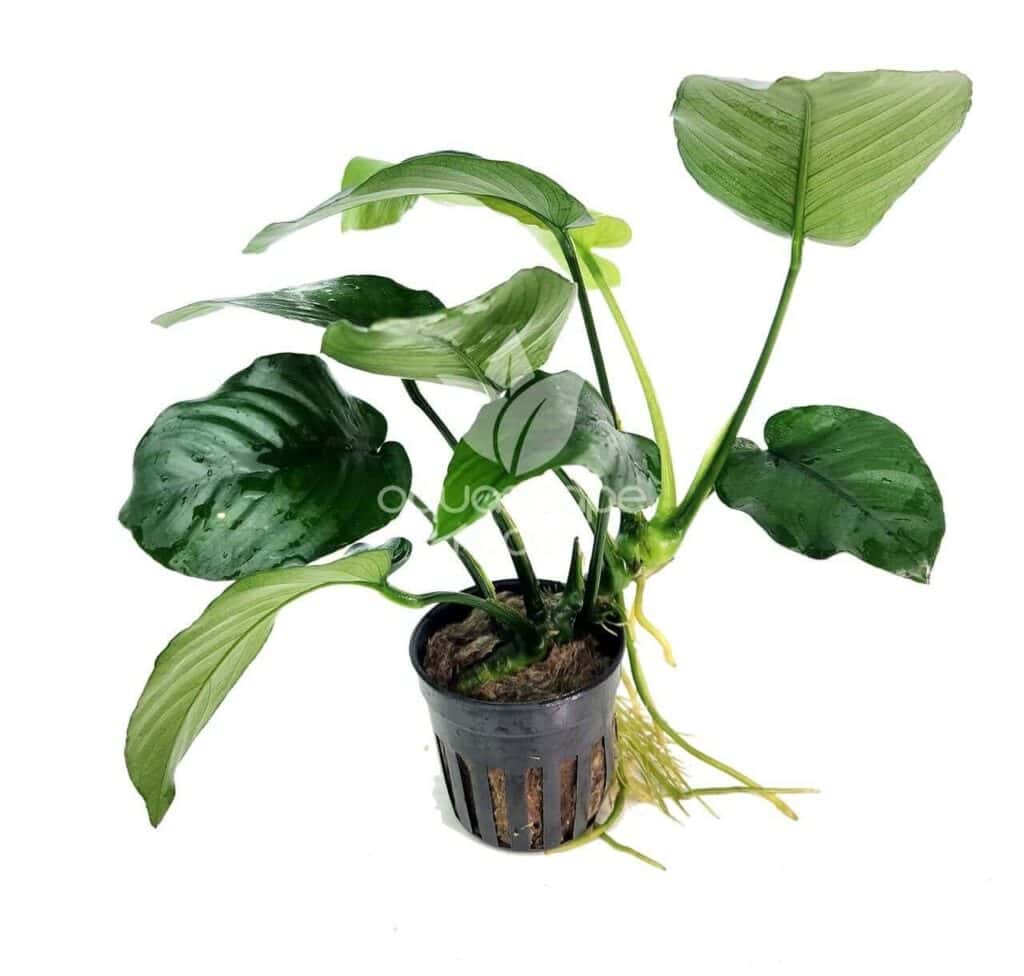
To keep aquarium plants healthy, provide suitable lighting, plant-specific nutrition, clean water and the correct planting method. Remove decaying leaves, trim overgrowth and make one care change at a time so you can see how the plants respond.
The main requirements are:
- Consistent lighting: Match the light strength and duration to the plant species and tank depth.
- Suitable nutrition: Use liquid fertiliser, root tabs or nutrient-rich substrate according to how the plant feeds.
- Stable water: Perform regular partial water changes and treat replacement tap water before adding it.
- Correct planting: Keep roots, crowns, stems and rhizomes in the right position.
- Regular trimming: Remove damaged leaves and stop fast-growing plants from shading slower species.
- Algae control: Correct the cause early instead of allowing algae to cover healthy leaves.
Different plants need different care. Stem plants grow from nodes and often need regular cutting and replanting. Root feeders depend more on the substrate. Anubias and other rhizome plants must keep their thick rhizome above the substrate.
Floating plants take nutrients from the water and need thinning before they cover the surface. One routine cannot suit every plant.
How to Keep Live Plants Healthy in an Aquarium
Successful live aquarium plant maintenance begins before planting. Choose species that fit the tank you already own rather than buying plants only for their colour or leaf shape.
Choose Plants That Match Your Aquarium
Check the aquarium size, lighting, substrate and fish behaviour. A low-light tank may suit slow-growing Anubias, while a dense group of fast-growing stems needs more frequent trimming.
Some fish dig around roots, pull at stems or eat soft leaves. Newly planted stems can float when active fish disturb the substrate, so consider livestock behaviour before choosing delicate plants.
Beginners usually do better with adaptable species. For help with planning the wider setup, use our planted aquarium guide for Qatar.
Inspect Plants Before Planting
Remove plastic pots, foam, metal weights and bands. Trim soft or badly damaged leaves with clean scissors, then inspect both sides of the leaves for algae, snail eggs or visible pests.
Rinse plants gently in clean, conditioned water. Never use soap or household cleaners.
Identify the plant structure before planting. Roots belong in the substrate, most stems need space between them, and rhizomes must remain exposed.
Give New Plants Time to Adapt
Some aquarium plants lose older leaves after transport or full submersion. Aquarists often call this plant melt. Nurseries may grow certain species with their roots underwater and leaves above the surface, so those leaves may decline after the plant enters an aquarium.
Remove fully soft or decaying leaves, but watch the growing point. Firm roots, fresh shoots and healthy new leaves matter more than every original leaf.
Do not increase the light, add several fertilisers and change the water routine on the same day. Make one measured adjustment and observe the new growth.
How Much Light Do Aquarium Plants Need?
Aquarium plants need enough light for photosynthesis, but no single schedule suits every species. Tank depth, light strength, plant type, nutrients and natural sunlight all affect the result.
Start with a consistent moderate schedule controlled by a timer. Adjust it gradually after observing plant growth and algae.
Signs of Too Little Light
Possible signs include:
- Stretched stems with wide spaces between leaves
- Faded colour
- Weak lower growth
- Plants leaning towards the brightest area
- Smaller or slower new leaves
These signs can also result from limited nutrition, damaged roots or a naturally slow growth rate. Check the full care routine before increasing the light.
Signs of Too Much Light
Fast algae growth, green coating on slow-growing leaves and constant glass cleaning can point towards excessive light. More light does not always produce more plant growth. Sometimes it only gives algae more energy.
In Qatar, place the aquarium away from prolonged direct window sunlight. Use controlled aquarium lighting as the main light source and check the actual water temperature if sunlight reaches one side of the tank.
How to Plant Aquarium Plants and Choose the Right Substrate
Correct planting prevents crushed stems, buried rhizomes and plants floating to the surface. The right method depends on how the plant grows.
How to Plant Stem Plants
Remove all packaging and separate bundled stems. Trim damaged lower leaves, then plant each stem individually with aquarium tweezers.
Leave space between stems so light and water can reach the lower growth. Bury only enough of the lower stem to hold it securely.
A fast-growing plant such as Egeria Densa may need regular spacing, trimming and replanting as it develops.
How to Plant Root-Feeding Plants
Rosette plants and other heavy root feeders need enough substrate depth for their roots to spread. Place the roots below the surface, but keep the central crown exposed.
A nutrient-rich option such as Amazon Soil 3L can support rooted species in a planned planted area. Choose substrate around the plant’s needs, not appearance alone.
Plain gravel can hold many aquarium plants, but it contains little stored nutrition. Heavy root feeders in gravel or sand may need root tabs. Our aquarium substrates range includes options for different planted layouts.
How to Attach Rhizome Plants
Anubias grows from a thick horizontal rhizome. Keep that rhizome above the substrate and attach the roots to rock or driftwood.
You can secure Anubias Barteri with thread, wedge its roots into hardscape or use a small amount of Aquarium Aquascaping Glue.
Never bury the rhizome. That mistake can cause the plant to decline even when light and nutrition appear suitable.
For more species-specific advice, use our Anubias plant care guide.
How to Position Floating Plants
Floating plants need no substrate, but they still need control. Thin them before they cover the entire surface, block light from plants below or crowd feeding areas.
Keep open space around filter outlets and areas used by fish.
How to Fertilise Live Aquarium Plants
Plants need nutrients to produce roots, stems and leaves. More fertiliser does not automatically create better growth.
The correct method depends on the plant type, plant density, lighting, substrate and water-change routine.
Liquid Fertiliser
Liquid fertiliser adds nutrients to the water column. It can support stem plants, mosses, rhizome plants and other species that absorb nutrients through leaves and exposed surfaces.
Follow the manufacturer’s instructions. Record the dose and observe new growth, leaf colour and algae before changing the amount.
Root Tabs
Root tabs place nutrients near heavy root feeders. They can help plants growing in gravel, sand or older substrate.
Push tabs below the surface near the active root zone, but keep them away from the crown. An Anubias attached to driftwood gains little from a root tab placed far from its roots.
Signs of Possible Nutrient Problems
Pale new leaves, yellow older leaves, weak stems, pinholes and slow growth may suggest a nutrient problem. They may also result from poor lighting, physical damage, plant adjustment or unsuitable planting.
Look at several signs together. One yellow leaf does not justify a major fertiliser change.
Change one thing at a time. If you increase fertiliser and lighting together, you will not know which change helped or encouraged algae.
How to Maintain Water Quality for Aquarium Plants
Healthy plants need stable, fish-safe water. Dirty water does not become helpful plant nutrition simply because it contains fish waste.
Perform regular partial water changes to remove accumulated waste and fine debris. Treat replacement tap water with a suitable conditioner and add it slowly at a similar temperature so you do not shock livestock or uproot plants.
Our Aquarium Water Quality Qatar guide explains ammonia, nitrite, nitrate and stable aquarium conditions in more detail. For filtration and routine cleaning, use our guide on How to Keep Aquarium Water Clean in Qatar.
Remove dead and decaying leaves before they break apart. Soft plant tissue adds organic waste and can support algae when it collects behind hardscape or around the filter intake.
Room temperature does not always match water temperature. Use an aquarium thermometer, especially when air-conditioning switches on and off or sunlight reaches the tank.
Stable does not mean untouched. Keep a regular routine, but avoid sudden changes in temperature, fertiliser, lighting and water chemistry.
How to Grow Plants in a Fish Tank
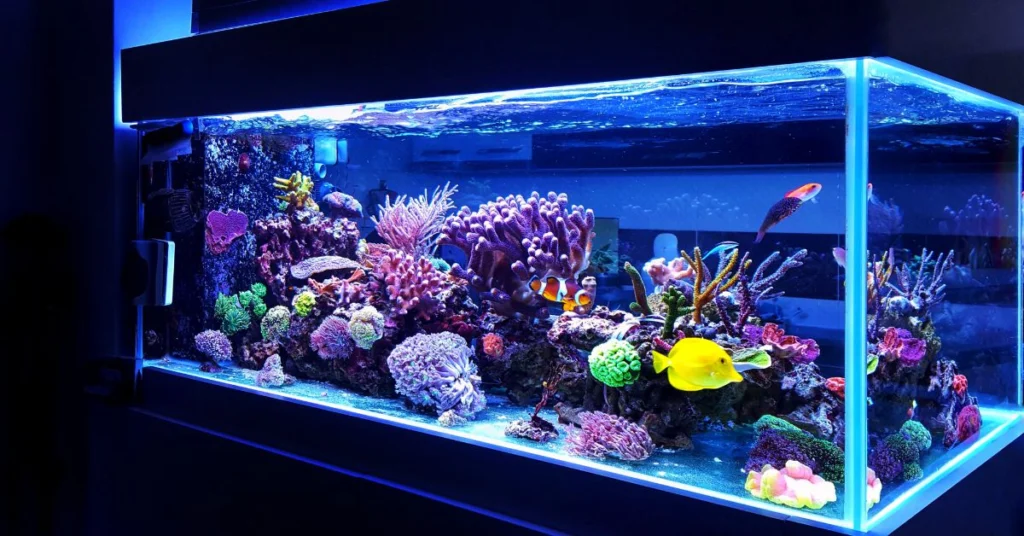
To understand how to grow plants in a fish tank, focus on balanced growth rather than speed.
Stronger light increases the plant’s demand for nutrients and carbon. If the tank cannot meet that demand, algae may respond before the plants do.
Leave enough space between plants. Crowded stems block light, trap debris and reduce water movement around lower leaves. Thin dense groups before they become a solid wall.
Remove leaves that have fully yellowed, melted or decayed. Keep enough healthy leaf area for the plant to continue photosynthesis.
Replant healthy stem cuttings to refresh bare lower sections. Cut above a healthy node, remove the lowest leaves and place the cutting into the substrate with enough space around it.
Be patient with slow-growing plants. Anubias may produce leaves gradually even under suitable conditions. Slow growth does not automatically signal poor care, and increasing the light to force growth may leave its older leaves covered in algae.
For more suitable fast-growing choices, use our guide to fast-growing aquarium plants in Qatar.
How to Trim Aquarium Plants Correctly
Correct trimming removes damaged tissue, controls shading and shapes the aquarium without harming the plant’s growing structure.
Use clean aquascaping scissors, long tweezers and a fine net for loose fragments. Wash tools before and after use, especially when you maintain more than one aquarium.
How to Trim Stem Plants
Cut a healthy stem above a node. Keep the strongest upper section, remove the lowest leaves and replant the cutting with space around it.
Remove weak or bare lower stems when they no longer produce healthy growth. Avoid cutting every stem to the same height or removing most of a large group in one session.
How to Trim Anubias and Rhizome Plants
Cut a damaged leaf stalk close to the rhizome without cutting into the rhizome itself.
Divide only a mature, healthy plant with enough leaves and roots on each section. Reattach each piece to rock or wood and keep the rhizome exposed.
How to Trim Rosette, Moss and Floating Plants
Remove old outer leaves from rosette plants near the base while protecting the central crown. Thin moss lightly and collect loose pieces before they spread through the tank.
Remove excess floating plants before they cover feeding zones, filter outlets or the light above submerged plants.
How Often Should Aquarium Plants Be Trimmed?
Trim aquarium plants when overgrowth blocks light, restricts water movement or creates damaged material. Fast-growing stems may need attention every one or two weeks under suitable conditions, while slow-growing Anubias may need only occasional pruning.
Use plant growth as the guide. The calendar only reminds you to look.
Common Aquarium Plant Problems and How to Fix Them
A visible symptom gives you a starting point, not a complete diagnosis. Check new leaves, old leaves, roots, lighting, livestock behaviour and recent changes before adjusting the routine.
| Plant symptom | Possible causes | First action |
| Yellow leaves | Natural ageing, limited nutrients, unsuitable light or plant adjustment | Check whether old leaves, new leaves or the whole plant show yellowing |
| Brown coating or tissue | Debris, algae, decay or plant melt | Wipe the surface gently and inspect the leaf texture |
| Transparent or melting leaves | Submerged adjustment, transport stress or sudden change | Remove fully decayed leaves and watch for healthy new growth |
| Holes in leaves | Physical damage, fish, snails or possible nutrient limits | Observe livestock and compare damage across several leaves |
| Slow growth | Naturally slow species, weak light, limited nutrition or shading | Check the plant type and inspect the growing point |
| Plants floating up | Shallow planting, damaged roots, active fish or unsuitable substrate | Replant correctly and protect the root area |
| Algae on leaves | Excess light, waste, weak circulation or imbalance | Remove visible algae and review light and maintenance |
Why Are Aquarium Plant Leaves Turning Yellow or Brown?
One older yellow leaf may show natural ageing. Several pale new leaves may point towards unsuitable nutrition, lighting or planting.
A brown coating may be debris or algae, while soft brown tissue can show decay. Plant melt often affects older leaves after transport or full submersion.
Remove tissue that has become fully soft or transparent, then watch for firm new growth.
What Causes Holes and Weak Growth?
Fish, snails, rough handling and hardscape can damage leaves. Possible nutrient problems may also affect leaf tissue, but appearance alone cannot confirm the cause.
Check whether holes appear on one plant or several species. Watch livestock before adding more fertiliser.
How to Remove Algae From Plant Leaves
Rub firm leaves gently with clean fingers or use a soft aquarium-safe brush where appropriate. Remove badly affected leaves that already show major damage.
Then review lighting, feeding, waste, circulation and plant health. Never use soap or household cleaning sprays inside an occupied aquarium.
Daily, Weekly and Monthly Aquarium Plant Maintenance
A practical live aquarium plant maintenance routine catches small problems before they spread.
Daily Checks
- Check the thermometer, filter flow and aquarium light.
- Remove loose or floating damaged leaves.
- Look for new algae, uprooted stems and signs that fish are eating plants.
- Watch for fresh roots, shoots and young leaves.
Weekly Maintenance
- Perform a partial water change with treated replacement water.
- Remove dead leaves and visible debris.
- Clean algae gently from glass and suitable plant leaves.
- Trim fast-growing stems before they block lower plants.
- Check plant spacing and add fertiliser according to the chosen routine.
Monthly Maintenance
- Thin overcrowded plant groups.
- Inspect rooted plants before adding root tabs.
- Replant healthy cuttings and check rhizome attachments.
- Review lighting duration against plant and algae growth.
- Clean plant-care tools and compare the tank with earlier photographs.
For aquarium plant care in Qatar, also check seasonal window sunlight and air-conditioning. Keep new plants out of parked vehicles, unpack them promptly and allow them time to adapt after transport.
Frequently Asked Questions About Aquarium Plant Care
How Do You Keep Live Plants Alive in an Aquarium?
Keep live plants alive with suitable lighting, plant-specific nutrition, stable water and correct planting. Remove decaying leaves, control algae and trim growth before it shades nearby plants. Match the routine to the plant type rather than treating every species in the same way.
How Many Hours of Light Do Aquarium Plants Need?
Lighting requirements vary by species, tank depth and light strength. Begin with a consistent moderate schedule and adjust it gradually after observing plant growth and algae. Longer lighting does not always improve growth and may encourage algae.
Do Aquarium Plants Need Fertiliser?
Most aquarium plants need nutrients, but the source varies. Water-column feeders may benefit from liquid fertiliser, while heavy root feeders may need root tabs or nutrient-rich substrate. Follow product directions and observe the plants before changing the dose.
How Often Should Aquarium Plants Be Trimmed?
Trim plants when they block light, restrict water movement or produce damaged growth. Fast-growing stems may need frequent attention, while slow-growing rhizome plants such as Anubias need only occasional pruning.
Can Aquarium Plants Grow Without CO₂ Injection?
Many low-demand plants can grow without injected CO₂ when lighting, nutrients and water remain suitable. Growth may be slower than in a balanced CO₂-injected aquarium. Avoid excessive light because it can increase carbon demand and algae growth.
Keep Your Aquarium Plants Healthy With a Simple Routine
Learning how to take care of aquarium plants becomes easier when you match the care to the plant type. Keep the light consistent, use suitable nutrition, maintain stable water and trim only when growth or damage requires it.
Watch new leaves, roots and shoots before making changes. Healthy new growth shows that the routine works, while yellowing, melting and algae tell you to inspect the full system rather than guess.
World of Birds helps aquarium owners choose plants that match their lighting, substrate and maintenance level. Browse our live aquarium plants and contact us to confirm current availability before visiting our Souq Al Ali store.
