







How Often Should You Change Cat Litter in Qatar’s Hot Climate?

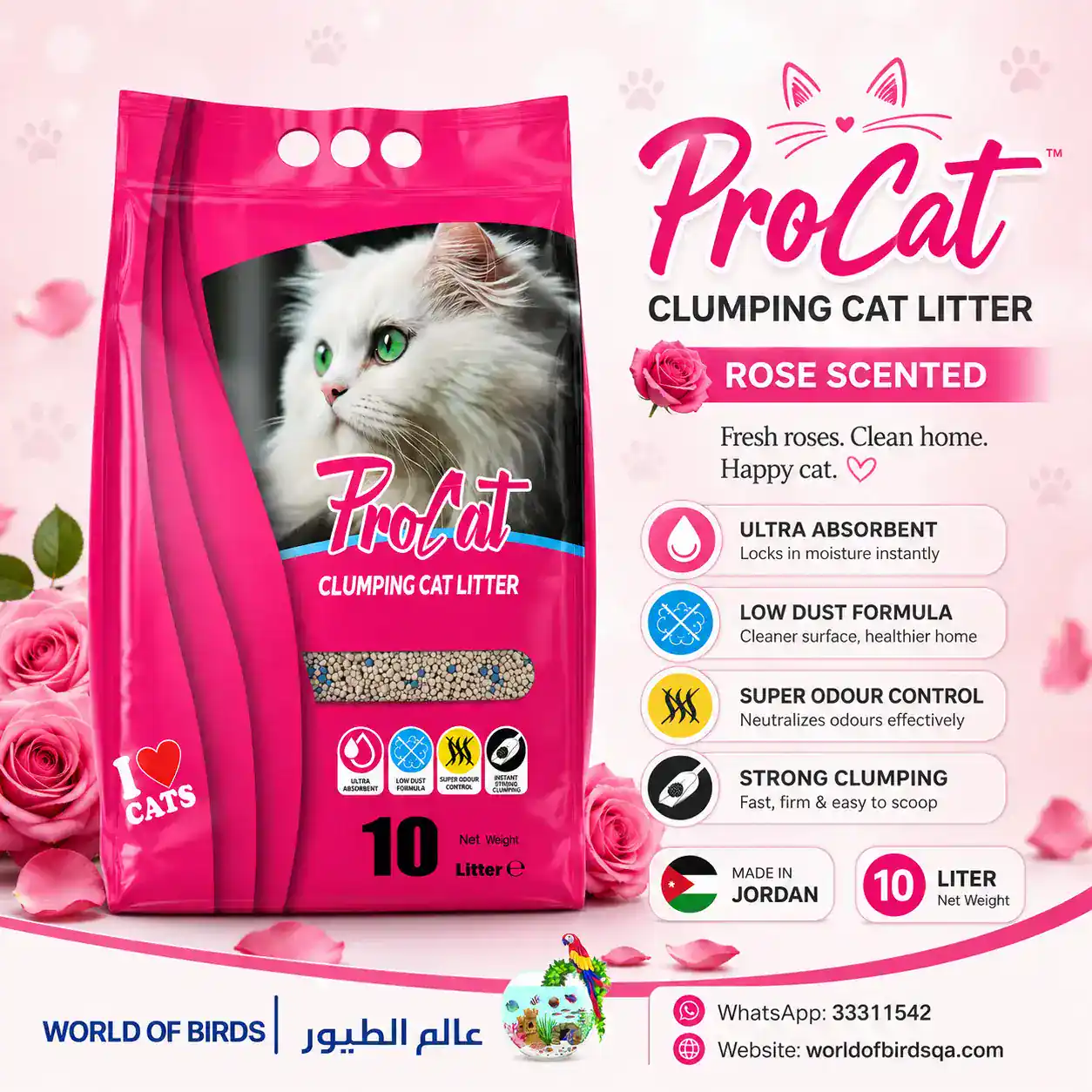
How often to change cat litter in Qatar depends on the litter type, number of cats, and how quickly heat and humidity affect odor buildup. In most Qatar homes, clumping litter should be scooped daily and fully replaced every 2 to 4 weeks, while non-clumping litter often needs changing at least once a week. In Doha’s hot climate, bacteria and ammonia smells can build up much faster than many cat owners expect.
Did you know a dirty litter box is one of the top reasons cats avoid using it? Veterinarians also warn that poor litter hygiene can increase odor, stress, and bacterial growth inside indoor apartments.
- Scoop waste at least 1 to 2 times daily
- Replace non-clumping litter weekly
- Change clumping litter every 2 to 4 weeks
- Use low-dust, odor-control litter for Qatar’s heat
- Keep litter boxes in cool, ventilated areas
A proper cat litter cleaning routine helps maintain better cat hygiene, reduces strong smells, and keeps your home fresher. Choosing the right cat litter sand, silica litter, or bentonite litter also plays a major role in moisture control and odor prevention, especially in warm regions like Qatar.
World of Birds helps cat owners across Doha choose quality cat litter products designed for hot climates, odor control, and healthier indoor living. In this article, we’ll explain how often to change cat litter in Qatar, the best litter types for local weather, cleaning schedules, and expert tips to keep your cat comfortable and your home odor-free.
Why Qatar’s Heat Changes Everything About Litter Maintenance
Qatar’s summer temperatures regularly exceed 45°C outdoors. Even indoors, with air conditioning running, most apartments maintain temperatures between 22°C and 26°C. That range sounds comfortable for humans. But it is warm enough to accelerate bacterial growth inside a used litter box significantly faster than in cooler climates.
Here is what actually happens. When your cat urinates in the litter, bacteria begin breaking down the urea in the waste immediately. That process produces ammonia, which is the sharp, eye-watering smell that tells you the box needs attention. In a cooler climate, this process takes longer. In Qatar’s ambient indoor heat, it speeds up by a factor that most international brands do not account for on their packaging.
Humidity plays a role too. Qatar’s summers combine extreme heat with bursts of high humidity, especially between June and September. Humidity causes even high-quality clumping litters to absorb moisture from the surrounding air, not just from the cat’s waste. That reduces the litter’s effective lifespan before it reaches saturation.
The result? The standard two to four week change schedule that works in the UK, Europe, or cooler parts of Asia simply does not hold up here. Cat owners in Qatar need a different schedule, and the type of litter they choose matters more than it would elsewhere.
How Often to Change Cat Litter in Qatar – The Honest Answer
The short answer on how often to change cat litter in Qatar: more often than the bag says, and more often than you probably think.
In Qatar’s summer months, a litter box used by one cat needs a full change every seven to ten days when using clumping litter, and every five to seven days when using non-clumping litter. During the cooler winter months (November to February), clumping litter can last up to two to three weeks before a full change is needed.
Here is a practical reference schedule:
| Season | Litter Type | Full Change Frequency |
| Summer (Jun-Sep) | Clumping bentonite | Every 7-10 days |
| Summer (Jun-Sep) | Non-clumping | Every 5-7 days |
| Winter (Nov-Feb) | Clumping bentonite | Every 14-21 days |
| Winter (Nov-Feb) | Non-clumping | Every 7-10 days |
| Year-round | Both types | Scoop solid waste daily |
These timelines are for a single-cat household. Add a second cat and cut those intervals roughly in half.
Clumping Litter Schedule in Qatar
With clumping litter, you scoop out solid clumps and urine clumps daily, which removes the waste before bacteria fully break it down. This extends the time between full changes meaningfully. But in summer, even with daily scooping, residual moisture and fine litter particles build up. By day eight or nine, the litter has a dull, grey-brown appearance and the clumps start to crumble rather than hold their shape. That is your signal. Do not wait for the smell to tell you.
Non-Clumping Litter Schedule in Qatar
Non-clumping litter absorbs liquid but does not bind it into removable clumps. The urine spreads through the litter and stays there. In Qatar’s heat, this becomes a problem quickly. By day five or six in summer, the litter has reached its absorption limit and ammonia odor builds rapidly. Full changes need to happen more frequently, and no amount of scooping compensates for the liquid that remains in the box.
Scoop Frequency vs Full Change Frequency
These are two different things, and confusing them is one of the most common litter box mistakes. Scooping removes solid and clumped waste. A full change means emptying the box completely, washing it with hot water and mild detergent, drying it fully, and refilling with fresh litter. In Qatar, scooping should happen at least once a day, ideally twice. But scooping does not replace the full change schedule. Both need to happen consistently.
Factors That Make You Change Litter Even More Often
The schedule above applies to a typical household. But several factors push that timeline shorter.
Single Cat vs Multiple Cats
One cat using one litter box is manageable with the schedule above. Two cats sharing one box doubles the waste load, and the litter degrades in half the time. The general rule from veterinary sources is to provide one litter box per cat, plus one extra. So two cats need three boxes. This distributes the load, keeps each box fresher for longer, and reduces the chance of a cat refusing to use an overly soiled box.
Health Conditions That Speed Up Litter Use
Cats with kidney disease, diabetes, or urinary tract conditions urinate significantly more than healthy cats. Senior cats often have similar patterns. If your cat is drinking more water and visiting the litter box more frequently, the litter saturates faster regardless of type. This is also a situation where monitoring litter box usage closely helps detect health changes early. Sudden increases in litter box visits are worth a call to your vet.
For households with two or more cats, a larger pack saves both money and trips to the store. The Volk Pets Sweet Scent Cat Litter is a practical choice for multi-cat setups where litter gets used up quickly.
Signs Your Cat Litter Needs Changing Right Now
A cat that stands at the edge of the box without going in, scratches at the outside of the box instead of the litter, or starts looking for other places to go is giving you a clear signal. Cats are clean animals by instinct. A soiled box is not something they accept quietly.
When you do the full change, choosing a strong-clumping litter makes the next cycle easier to manage. Options like the Procat Lemon Scented Clumping Cat Litter or the Volk Pets Ultra Odor Seal Coffee Latte Cat Litter clump tightly and scoop cleanly, which means less residue left behind between changes.
On the litter itself, watch for these signs:
- The clumps crumble when you try to scoop them rather than lifting out intact.
- The litter surface has turned from its original colour to a dull, brownish or greyish tone throughout.
- You can smell ammonia when you enter the room, not just when you are next to the box.
- Fine, dusty residue covers the entire surface even after scooping.
Any one of those is enough reason to do a full change that day. Do not top up with fresh litter over saturated litter. It does not fix the problem. It just buries it for another day or two.
The Best Type of Cat Litter for Qatar’s Climate
Not all litters handle heat the same way. And in Qatar, the difference between a good litter choice and a poor one shows up within the first week.
Why Bentonite Clumping Litter Works Best in Heat
Bentonite is a natural sodium clay that absorbs liquid on contact and forms tight, solid clumps that can be scooped out cleanly. It does not break down in heat. It does not release absorbed liquid back into the box when ambient temperatures rise. And because you remove the waste directly each day, the remaining litter stays cleaner for longer compared to non-clumping alternatives.
Plant-based litters (pine, paper, tofu) can work well in cooler climates, but they degrade faster in Qatar’s heat and lose their structural integrity when exposed to high ambient temperatures over time. Non-clumping clay holds the waste in place but cannot release it through scooping, which means the entire load accumulates until the full change.
For Qatar specifically, bentonite clumping litter gives you the best balance of odor control, clump integrity, and longevity between full changes. It is why the majority of experienced cat owners in Doha use it year-round. And it is the single biggest factor in deciding how often to change cat litter in Qatar without going through bags faster than necessary.
What to Look for on the Label
When choosing a litter for Qatar’s climate, look for these features: high clumping strength (indicated by bentonite or sodium bentonite as the primary ingredient), low dust, and odor-neutralizing additives. Fragrance can help mask ammonia in the short term, but it should support odor control, not substitute for it. A litter with poor clumping that smells like lavender still has poor clumping.
At World of Birds, we stock a range of Cat Litter Sand options suited to Qatar’s conditions. The Fresh & Clean Ultra Bentonite Clumping Cat Litter uses high-quality bentonite for strong clumping and long-lasting odor control – it is one of the more popular choices among cat owners in Doha. For cat owners who prefer fragrance-free, the PRO EUROPEAN NATURAL Sodium Bentonite Cat Litter uses pure sodium bentonite with no artificial additives, giving you effective odor control without strong scents.
How to Keep the Litter Box Fresher for Longer in Qatar
The litter itself is only part of the equation. Where you place the box and how you maintain it makes a real difference in how long each change lasts.
Keep the litter box away from direct sunlight and out of rooms that heat up quickly – utility rooms next to exterior walls, balconies, and storage areas are all poor choices in Qatar’s summer. A cool, ventilated interior room is always better. The lower the ambient temperature around the box, the slower the bacterial breakdown process.
Fill the box to a depth of at least 7 to 8 centimetres. Shallow litter – less than 5 centimetres – reaches saturation much faster because there is less material available to absorb liquid and form clumps. Cats also tend to avoid shallow boxes because they cannot dig and cover waste properly.
When you do the full change, wash the box with hot water and mild, unscented dish soap. Rinse thoroughly. Dry completely before refilling. Do not use bleach or strongly scented disinfectants. Cats have a strong sense of smell and will avoid a box that carries a chemical odour, even after rinsing.
Final Thoughts
Knowing how often to change cat litter in Qatar is the difference between a fresh home and a box your cat refuses to use. In Qatar’s heat, a two-week schedule is simply not enough. Your cat deserves a clean box, and your home deserves fresh air. Scoop daily, change fully every 7 to 10 days in summer, and choose a bentonite clumping litter that can keep up with the climate.
World of Birds has served cat owners in Doha for over 30 years, and we stock the litters that actually work here. Browse our full range of Cat Litter Sand and find the right option for your cat today.
Frequently Asked Questions
Question: How often should I change cat litter in Qatar’s summer?
How often to change cat litter in Qatar’s summer months comes down to litter type. A full change every 7 to 10 days is recommended for clumping bentonite litter when used by one cat. Non-clumping litter should be changed every 5 to 7 days. Daily scooping is required regardless of which type you use. The heat accelerates bacterial growth and ammonia release significantly faster than cooler climates.
Question: Does heat make cat litter smell worse faster?
Yes. Higher temperatures speed up the bacterial breakdown of urea in cat urine, which produces ammonia – the main source of litter box odour. Qatar’s ambient indoor temperatures, even with air conditioning, are warm enough to accelerate this process faster than climates in Europe or cooler parts of Asia. This is why the standard two to four week change schedule does not apply here.
Question: Which cat litter works best in Qatar’s hot climate?
Bentonite clumping litter performs best in Qatar’s heat. It forms tight, scoopable clumps that remove waste efficiently, does not break down in warm temperatures, and maintains its absorption capacity longer than plant-based or non-clumping alternatives. Look for sodium bentonite as the primary ingredient on the label.
Question: How many times a day should you scoop a litter box in Qatar?
At least once a day, ideally twice. Morning and evening scooping removes waste before bacteria have had significant time to break it down. In summer, when temperatures are highest, a second daily scoop makes a noticeable difference in controlling odor between full changes.
Question: Can a dirty litter box make my cat sick?
Yes. A saturated or heavily soiled litter box increases a cat’s exposure to ammonia fumes, which can irritate their respiratory tract. It also raises the risk of bacterial infections. Cats that avoid a dirty litter box may hold their urine for longer than is healthy, which can contribute to urinary tract infections, especially in male cats. Keeping a clean box is a direct health issue, not just a comfort preference.
