







What Size Cage Does A Cockatiel Actually Need: A Practical Guide

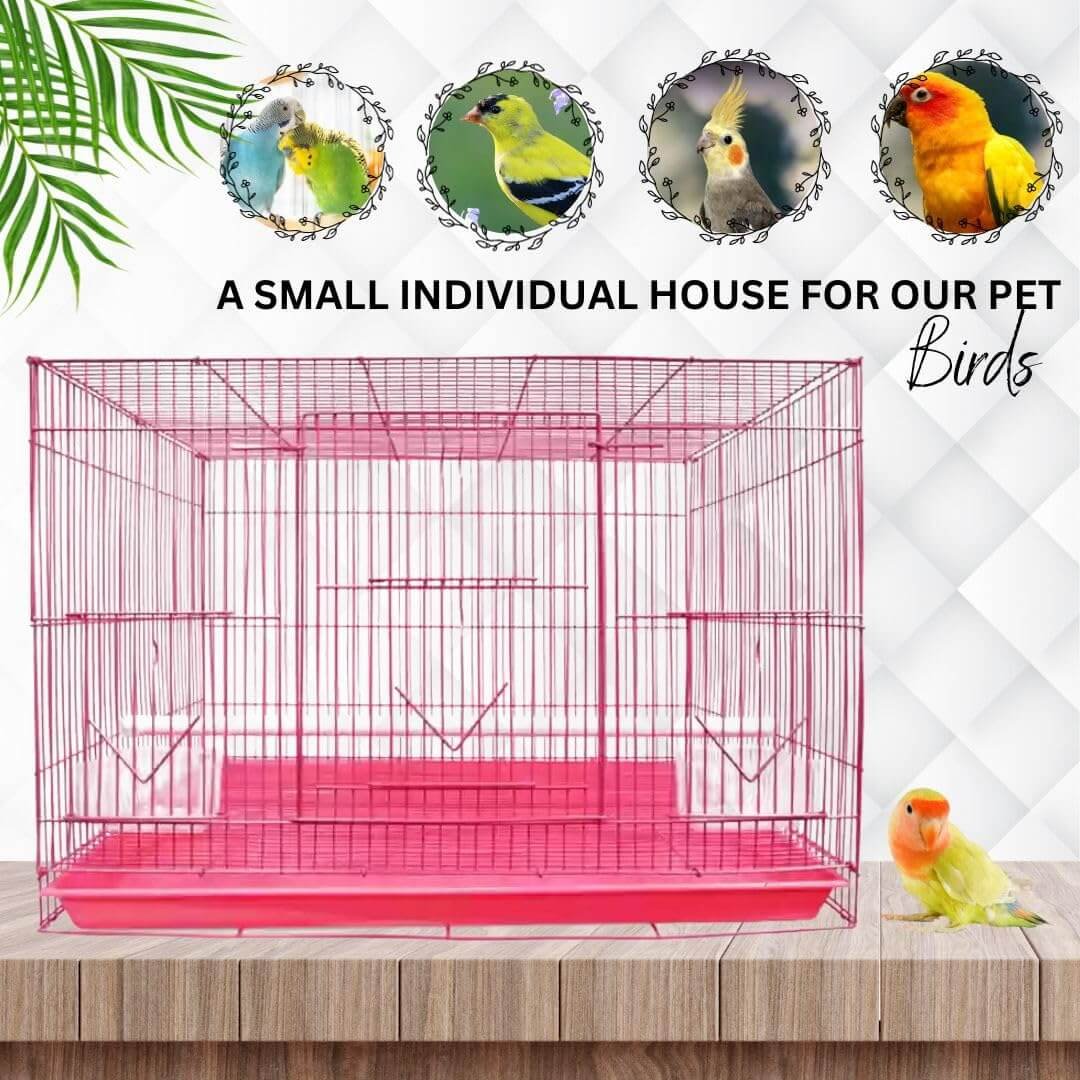
A single cockatiel generally needs a cage that is at least 20” W × 20” D × 24” H, while a wider cage around 24” W × 24” D × 30” H provides more comfortable daily space. For cockatiels, width is especially important because they need room to stretch their wings, move between perches, and interact with toys and accessories.
A cage that looks spacious when empty can feel much smaller once you add perches, food and water bowls, toys, and a cuttlebone. The cage should therefore provide enough usable space for your cockatiel to move comfortably without overcrowding.
- Choose a wide, rectangular cockatiel cage
- Keep bar spacing around ½ inch to ⅝ inch
- Provide safe perches, toys, food bowls, and water bowls
- Avoid round cages, rusty wire, and damaged or peeling paint
- Select a cage that is secure and easy to clean
At World of Birds Qatar, bird owners can find bird cages, cockatiel accessories, perches, toys, and other bird supplies for everyday care. The right cage size gives your cockatiel more usable space while making routine cleaning and care easier.
What Size Cage Does a Cockatiel Actually Need?

The direct answer: a single cockatiel cage should be at least 20” x 20” x 30”, but a larger cage around 24” x 24” x 30” is better for comfort, movement, and daily enrichment. MSD Vet Manual lists cockatiels with a minimum cage size of 20 x 20 x 30 inches and 0.5-inch bar spacing, while PetMD recommends at least 24” L x 24” W x 30” H for one cockatiel.
Minimum, Better, and Ideal Cage Size
| Cage Option | Recommended Size | Best For |
| Minimum cage size | 20” W x 20” D x 30” H | One cockatiel with daily out-of-cage time |
| Better cage size | 24” W x 24” D x 30” H | More comfort, perches, toys, and bowls |
| Ideal cage size | 30”+ wide, 24”+ deep, 30”+ high | Birds spending longer inside |
| Bar spacing | ½ inch to ⅝ inch | Safer spacing for cockatiels |
Why Minimum Cage Size Is Not Always Enough
A minimum cage size for cockatiel owners should be treated as the starting point, not the best choice. Once you add natural wood perches, a food bowl, water bowl, toys, cuttlebone, and a removable cleaning tray, the usable flight space becomes smaller. PetMD also notes the habitat should let a cockatiel stretch and flap its wings comfortably.
How Out-of-Cage Time Affects Cage Size
If your cockatiel spends more time inside, choose a bigger bird cage with more horizontal space, secure feeder doors, a safe cage lock, and bird-safe materials like powder-coated steel or stainless steel. RSPCA guidance says pet birds need time outside the cage and enough space to fly safely indoors, so a larger cage is especially important when free-flight time is limited. At World of Birds, we help Qatar bird owners compare bird cage Qatar options, cockatiel accessories Qatar, and safe cage setups before buying.
Minimum vs Ideal Cockatiel Cage Size
A minimum cockatiel cage size can work for one bird only when the cockatiel gets daily supervised time outside the cage. For better comfort, think beyond “can the bird fit?” and ask, “Can the bird move, stretch, climb, and rest safely?”
Minimum Cage Size for One Cockatiel
For one cockatiel, the smallest practical cage is around 20” W x 20” D x 24–30” H. This may work if your bird spends several hours outside the cage daily and the cage is not crowded with too many toys, bowls, or perches.
Ideal Cage Size for One Cockatiel
The ideal cage size for cockatiel comfort is wider, such as 24” W x 24” D x 30” H or larger. A bigger bird cage gives more room for natural wood perches, toys, a cuttlebone, food bowl, water bowl, and open wing-stretching space.
Cage Size for Two Cockatiels
Two cockatiels need a larger cage with extra cage width, separate perches, separate feeding access, and enough space to avoid stress. A pair should never be placed in a tiny cage just because they are friendly. More room means better movement and fewer territory issues.
Why Cage Width Matters More Than Height
Many bird owners choose tall cages because they look spacious, but cockatiels benefit more from horizontal space. A wide cage supports movement, climbing, wing stretching, and a healthier daily routine.
Cockatiels Need Horizontal Movement Space
Cockatiels naturally move side-to-side, climb, flap, and stretch their wings. A wide cage for cockatiel care gives more usable movement space than a narrow tall cage. Width and depth help your bird travel between perches, toys, food, and water more comfortably.
Why Tall Narrow Cages Can Be Misleading
A tall narrow cage may look large in photos, but it can still restrict your cockatiel if the cage width and cage depth are too small. Birds do not use empty height as well as open side-to-side space, especially after accessories are added.
How to Measure Usable Cage Space
Measure the inside cage dimensions, not just the outer frame. Check internal width, depth, and height. Then subtract the space taken by perches, toys, bowls, feeder doors, and the cleaning tray area. The best cage keeps open space for wing movement.
Safe Bar Spacing for Cockatiels
Safe cockatiel cage bar spacing is just as important as cage size. If the bars are too wide, a cockatiel may try to squeeze through, which can lead to escape or injury.
Recommended Cockatiel Cage Bar Spacing
For most cockatiels, safe bar spacing is usually around ½ inch to ⅝ inch. This range helps prevent the bird from pushing its head through the bars while still allowing visibility, airflow, and climbing support.
Why Wide Bar Spacing Can Be Dangerous
Wide bar spacing can create escape risk and injury risk. A cockatiel may get its head, feet, wings, or toes trapped between bars. Before you buy a cockatiel cage Qatar option, always check the bar spacing, not only the cage height or design.
Vertical vs Horizontal Bars
Horizontal bars are helpful because cockatiels like to climb. Vertical bars can still work if the cage has well-placed perches, ladders, and toys. The most important points are safe spacing, strong material, secure locks, and enough usable cage space.
Best Cage Shape and Door Design for Cockatiels

The best cockatiel cage should be easy for your bird to use and easy for you to clean. Shape, doors, locks, and access points matter because cockatiels are active, curious birds that need safe daily care.
Rectangular Cages vs Round Cages
Choose a rectangular bird cage instead of a round cage. Rectangular cages provide better usable space, easier perch placement, and more clear corners where a cockatiel can feel secure. A wide rectangular cage also supports better side-to-side movement.
Door Size, Feeder Doors, and Secure Locks
Look for a cage with a wide main door, safe feeder doors, and secure locks. This makes feeding, cleaning, handling, and perch changes much easier. Strong locks also help prevent escapes, especially because cockatiels can be clever and curious.
Removable Trays and Cleaning Access
A removable cleaning tray makes daily maintenance faster and cleaner. Wide access doors also help you reach bowls, toys, and perches without stressing your bird. A cage that is easy to clean is easier to keep healthy long term.
Cage Materials: What Is Safe for Cockatiels?
A safe cage should be strong, smooth, non-toxic, and easy to clean. Cockatiels climb and chew, so the cage material must handle daily use without rusting, flaking, or exposing unsafe surfaces.
Powder-Coated Steel and Stainless Steel Cages
Powder-coated steel and stainless steel are common bird-safe cage materials when the finish is high quality and undamaged. Stainless steel is durable and rust-resistant, while powder-coated cages are widely used and often more affordable.
Avoid Rust, Damaged Paint, and Weak Wire
Avoid cages with rust, peeling paint, sharp edges, or weak wire. Damaged finishes can be unsafe if your cockatiel chews them, and rough surfaces are harder to clean. Always inspect cage bars, corners, doors, and tray areas before use.
Why Non-Toxic Finish Matters
Cockatiels use their beaks to climb, explore, and chew. That means cage coating safety matters. Choose a non-toxic finish made for birds, and avoid unknown painted metal, decorative cages, or cages not designed for parrots or cockatiels.
How to Set Up a Cockatiel Cage Properly
A good cage setup gives your cockatiel comfort, movement, enrichment, and clean feeding areas. The goal is to add useful accessories without filling every open space inside the cage.
Perches, Food Bowls, and Water Bowls
Use different perch sizes and textures, including natural wood perches, to support foot comfort. Place food and water bowls away from droppings, directly under perches, or toy mess. Keep bowls easy to remove, wash, and refill every day.
Toys, Cuttlebone, and Mineral Block
Add safe toys for chewing, climbing, and mental stimulation. A cuttlebone or mineral block supports beak activity and calcium intake. Rotate toys to prevent boredom, but choose bird-safe materials and avoid loose threads or sharp parts.
Keep Open Space for Wing Stretching
Do not overcrowd the cage with too many toys, ladders, or bowls. Your cockatiel still needs open space to flap, stretch, turn, and move comfortably. A simple, balanced cockatiel cage setup is usually better than a cluttered one.
Where to Place the Cage at Home
Place the cage at a safe height in a bright, calm area with family visibility. Avoid direct harsh sunlight, strong drafts, kitchen fumes, and noisy sleeping areas. Good airflow, quiet nights, and stable placement help reduce stress and night frights.
Common Cockatiel Cage Mistakes to Avoid
A cage can look stylish online but still be wrong for daily cockatiel care. Before buying, check comfort, safety, cleaning access, and usable space. Avoid these common mistakes so your bird has a healthier and more secure home.
Buying a Cage That Is Too Small
A cage that “fits the bird” is not the same as comfortable living space. Your cockatiel needs room to climb, turn, stretch wings, perch, play, and access food and water. After adding toys and bowls, a small cage can quickly feel cramped.
Choosing Unsafe Bar Spacing
Unsafe bar spacing can lead to escape or injury. For most cockatiels, ½ inch to ⅝ inch bar spacing is safer. Bars that are too wide may trap the head, feet, wings, or toes, so always check spacing before buying.
Overcrowding the Cage with Toys
Toys are important for enrichment, but too many accessories can block movement. Keep enough open space for wing stretching and climbing. Use a few safe toys, rotate them regularly, and avoid sharp parts, loose threads, or overcrowded perch placement.
Placing the Cage in the Wrong Spot
Avoid direct sunlight, strong drafts, kitchens, smoky areas, noisy sleeping spots, and unstable surfaces. Cockatiels need a bright, calm area with good airflow and family visibility, but they also need quiet rest at night to reduce stress and night frights.
Cockatiel Cage Buyer Checklist for Qatar Owners
When buying a cage in Qatar, focus on safe dimensions, strong material, and easy daily care. A good cockatiel cage Qatar option should support movement, feeding, cleaning, and enrichment without making the setup stressful for you or your bird.
What to Check Before Buying a Bird Cage in Qatar
Before buying a bird cage Qatar option, check cage dimensions, bar spacing, cage material, removable tray, main door size, feeder doors, secure locks, and accessory space. Also measure the inside usable area, not only the outer frame or product photo.
Cockatiel Accessories to Buy with the Cage
Buy essential cockatiel accessories Qatar owners need for daily care: natural wood perches, food bowl, water bowl, toys, cuttlebone, mineral block, cage cover, and cleaning tools. Choose accessories that fit the cage without blocking open movement space.
Where to Buy Cockatiel Cages and Bird Supplies in Qatar
For cockatiel cage Qatar, bird supplies Qatar, and safe cage accessories, choose a local pet store that can guide you on size, bar spacing, and setup. At World of Birds, we help bird owners choose practical cages, accessories, and supplies with confidence.
World of Birds: For Choosing the Right Cockatiel Cage
The best cockatiel cage should be wide, safe, easy to clean, and large enough for daily movement. For one cockatiel, a minimum cage around 20” W × 20” D × 24–30” H may work when the bird also gets regular out-of-cage time. However, a wider cage around 24” W × 24” D × 30” H or larger provides more comfortable everyday space.
Size, bar spacing, materials, and the overall setup all matter. Look for safe bar spacing, strong bird-safe materials, secure locks, easy feeder access, and a removable cleaning tray. Once the cage is set up, add suitable cockatiel perches and bird cage accessories, food and water bowls, toys, and a cuttlebone while leaving enough open space for your cockatiel to stretch and move freely.
At World of Birds Qatar, bird owners can find cockatiel cages, bird cage accessories, perches, toys, and other bird supplies for everyday care. You can also visit our store in Doha or contact us if you need personalized advice about your bird’s cage or accessories.
FAQs
Question: What Size Cage for Cockatiel Is Best?
Answer: The best cage for one cockatiel is around 24” W x 24” D x 30” H or larger. The minimum is usually around 20” W x 20” D x 24–30” H.
Question: Is 18 x 18 Big Enough for a Cockatiel?
Answer: An 18” x 18” cage may be too small for long daily use. A wider cage is better for movement, perches, toys, and wing stretching.
Question: What Bar Spacing Is Safe for Cockatiels?
Answer: Safe cockatiel cage bar spacing is usually ½ inch to ⅝ inch. Wider spacing may increase escape or injury risk.
Question: Is a Tall Cage or Wide Cage Better for Cockatiels?
Answer: A wide cage is better because cockatiels move side-to-side, climb, flap, and stretch. Height alone does not give enough usable movement space.
Question: Can Two Cockatiels Live in One Cage?
Answer: Yes, but only in a larger cage with enough width, separate perches, feeding bowls, water access, and open movement space.
Question: Where Should I Place a Cockatiel Cage at Home?
Answer: Place it on a stable surface in a bright, calm area away from direct sun, kitchens, drafts, smoke, and noisy sleeping spots.

One thought on “What Size Cage Does A Cockatiel Actually Need: A Practical Guide”