






Is Dry Food Bad for Cats? Risks, Benefits, and Healthier

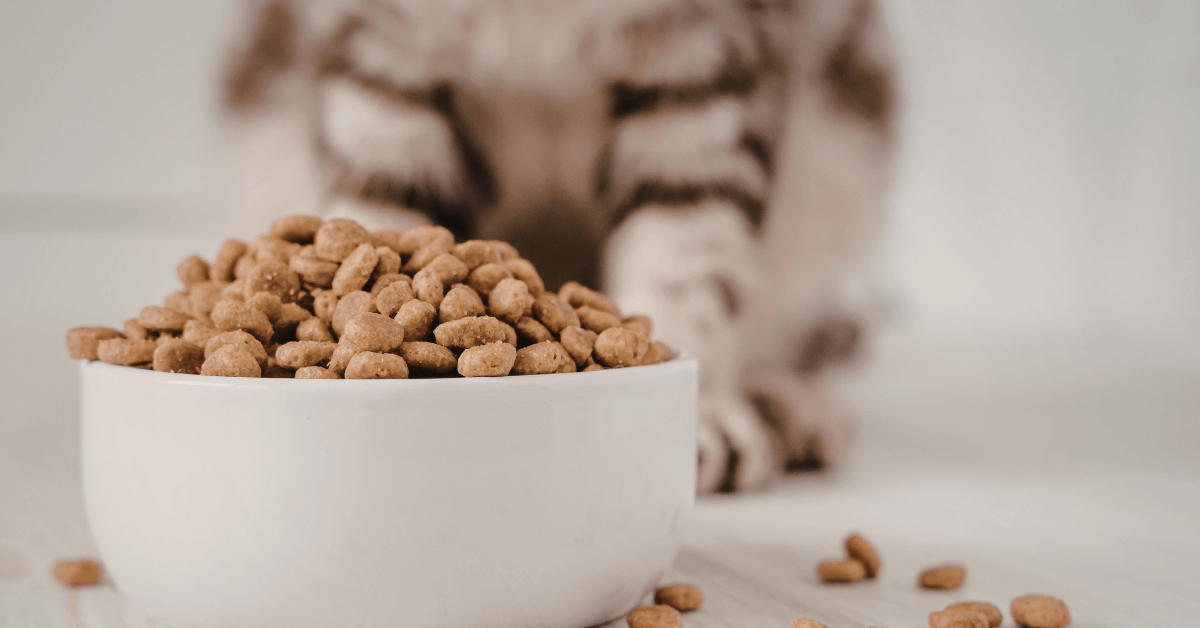
When it comes to choosing the right food for your cat, one question often comes up: Is dry food bad for cats? As a pet owner, it’s natural to want the best for your feline friend, but with so many diet options available, it can be difficult to know which one truly supports their health. Dry food is convenient, affordable, and long-lasting, but it might not always be the best choice for your cat’s overall well-being.
Dry cat food typically has lower moisture content, which can lead to dehydration-a common issue in cats. Additionally, overfeeding dry food may contribute to weight gain and urinary issues. For these reasons, many cat owners wonder if wet food might be a better option.
At World of Birds, we understand the importance of a balanced diet for your pet. Our wide range of high-quality pet supplies includes both wet and dry food options to suit every cat’s needs. In this blog, we’ll explore the pros and cons of dry cat food and help you make an informed decision about what’s best for your furry companion.
Understanding Dry Cat Food – Why It’s Popular
Explanation of dry food’s convenience:
Dry cat food is a go-to option for many pet owners due to its long shelf life, easy storage, and affordability. It’s a practical choice for busy pet owners as it doesn’t require refrigeration, unlike wet food. This makes dry food convenient for long-term storage without worrying about spoilage. It’s also less messy, easier to portion, and doesn’t need to be consumed quickly, which can be especially useful for multi-cat households.
Additionally, dry food is often more budget-friendly than its wet counterpart. For those with multiple cats or limited resources, dry food can be an affordable way to provide nutritious meals. Brands like AlphaPet, Hill’s Science Diet, and Royal Canin are popular for their high-quality formulations that cater to specific health needs, from weight management to sensitive stomachs.
Nutritional breakdown:
Dry cat food is typically made from protein sources like chicken, turkey, or fish, along with grains such as rice, corn, or wheat. These ingredients help provide a balanced diet with protein, fats, and essential vitamins and minerals. Some dry foods are also enriched with added nutrients like omega-3 fatty acids, which help support skin and coat health, or taurine, an essential amino acid that supports heart and eye function.
However, the high carbohydrate content in some dry foods, especially those that rely heavily on grains, can sometimes be a concern. It’s important to choose high-quality brands that minimize fillers and focus on high-protein content to meet a cat’s dietary needs as obligate carnivores.
Feeding guidelines:
The recommended amount of dry food for cats varies based on factors like age, activity level, and health status. Generally, an average adult cat requires around 1/4 to 1/2 cup of dry food per day. However, kittens, active cats, and pregnant or lactating cats may need more. It’s essential to follow the feeding guidelines on the package but adjust portion sizes based on your cat’s specific needs and monitor their weight regularly.
Remember, dry food is calorie-dense, so proper portion control is key to preventing overfeeding and maintaining a healthy weight for your cat.
Is Dry Food Harmful to Cats? – The Potential Risks
Dehydration concerns:
One of the most significant concerns with dry food is its low moisture content, which can contribute to dehydration. Unlike wet food, which contains up to 80% water, dry food is around 10% moisture. Cats are naturally poor drinkers and often rely on their food to meet their hydration needs. Without sufficient moisture in their diet, cats can become dehydrated, which can lead to serious health problems, particularly affecting kidney function and urinary tract health.
To mitigate this, you can encourage your cat to drink more water or add water or low-sodium broth to their dry food. Some cats may also benefit from a water fountain, which encourages them to drink more often.
Obesity risk:
Dry food can be more calorie-dense compared to wet food, especially when portion sizes are not carefully monitored. Cats tend to overeat dry food if left to their own devices, which can lead to weight gain and related health issues such as obesity. Obesity in cats is associated with a higher risk of developing conditions like diabetes, joint problems, and heart disease.
To prevent obesity, it’s essential to portion out meals and avoid free-feeding, where food is left out all day. Regular monitoring of your cat’s weight and adjusting their diet as necessary will help maintain a healthy weight and overall well-being.
Dental health:
The belief that dry food improves dental health is common, but studies have shown mixed results. Some types of dry food contain larger kibble shapes or abrasive textures that may help reduce plaque buildup. However, many cats chew their food in a way that doesn’t provide sufficient scrubbing action on their teeth, meaning dry food may not be as effective for dental hygiene as previously thought.
In fact, some cats may experience worse dental health from dry food, as it can contribute to plaque buildup that eventually leads to gum disease or tooth decay. To improve your cat’s dental health, it’s important to incorporate regular teeth brushing or provide dental treats and toys, in addition to offering high-quality food.
Dry food has its place in a cat’s diet, but it’s essential to be mindful of its potential drawbacks and ensure that your cat’s overall health is supported by a balanced diet and proper hydration.
The Benefits of Wet Food for Cats – A Healthier Alternative?
Moisture content:
One of the key advantages of wet food for cats is its high moisture content, which typically makes up about 75-80% of the food. This is particularly beneficial for cats, as they are obligate carnivores and do not have a strong instinct to drink water. Wet food helps ensure that your cat stays hydrated, which is crucial for kidney health and urinary tract function. Dehydration can lead to serious issues like kidney disease, urinary infections, and bladder stones. Wet food provides a natural way to support your cat’s hydration levels while feeding them a balanced diet.
Better for cats with sensitive stomachs:
Wet food is often easier for cats to digest compared to dry food. This makes it an excellent choice for cats with sensitive stomachs, digestive issues, or food intolerances. The higher moisture content in wet food can also help with smoother digestion and absorption of nutrients. For picky eaters or cats that have trouble digesting dry food, wet food is often more palatable and gentle on the stomach. This is why many pet owners find that switching to wet food can reduce occurrences of vomiting or diarrhea in their cats.
Weight management:
Another benefit of wet food is its ability to support weight management. Since wet food generally contains fewer calories per gram compared to dry food, it allows you to provide a larger volume of food for your cat, making them feel fuller without the risk of overeating. This makes wet food a good option for cats that need to lose or maintain a healthy weight. Additionally, because wet food has a lower carbohydrate content, it helps prevent weight gain and supports a lean body mass, which is crucial for overall feline health.
Dry Food vs Wet Food – Which Is Better for Your Cat?
Nutritional comparison:
When choosing between dry food and wet food, understanding the nutritional content of each is essential. Dry food generally contains higher levels of carbohydrates and fats, which help keep it shelf-stable, but can also contribute to obesity if fed in excess. On the other hand, wet food is typically higher in protein and moisture and lower in carbs. Wet food’s increased moisture content makes it a better option for promoting hydration, especially for cats with urinary or kidney health concerns.
When it comes to protein, both dry and wet foods often offer similar amounts, though wet food is typically more digestible due to its higher moisture content. The choice of fat content in both types can affect your cat’s energy levels, with wet food being less calorie-dense, which can help in controlling obesity. Ultimately, the nutritional choice depends on your cat’s individual health needs, activity level, and life stage.
Cats’ natural hydration needs:
Cats are obligate carnivores, meaning they primarily need animal-based proteins to thrive. In the wild, cats get most of their water from their prey. However, domestic cats often have low thirst drives and may not drink enough water to meet their hydration needs. Wet food, with its high moisture content, provides a natural solution to ensure your cat stays hydrated and maintains healthy kidney and urinary tract function. Given that cats in the wild would naturally consume water-rich prey, wet food is a closer mimic of their natural diet and hydration needs.
Which food to choose for your cat?
Choosing between dry food and wet food largely depends on your cat’s individual needs. For example, if your cat has urinary issues, kidney problems, or is simply prone to dehydration, wet food is the better option due to its higher moisture content. On the other hand, dry food can be a convenient, cost-effective solution for cats that are otherwise healthy and well-hydrated. You should also consider your cat’s age, activity level, and health conditions. For kittens and active adult cats, a mix of wet and dry food may be ideal to balance hydration and nutrition. Cats with special dietary needs, such as those with sensitive stomachs or weight concerns, may benefit from wet food’s digestibility and lower calorie density.
Ultimately, understanding your cat’s specific needs is the key to determining which food option is best for them. If you’re uncertain, it’s always wise to consult with a veterinarian who can provide personalized guidance based on your cat’s health and lifestyle.
How to Make Dry Food Healthier for Your Cat
Adding water or broth to dry food:
One of the simplest ways to enhance the health benefits of dry food is by adding moisture. Since dry food has a low moisture content, adding water or a low-sodium broth can help increase your cat’s water intake, which is especially helpful for cats that have a low thirst drive. Start by mixing a small amount of water or broth into the dry kibble, adjusting the consistency to your cat’s preference. Not only does this make the food more palatable, but it also helps with hydration, supporting kidney function and preventing urinary issues. You can also warm the broth slightly to release more aroma and entice picky eaters to enjoy their meals.
Choosing high-quality dry food:
The quality of dry food varies greatly depending on the brand and formulation. When selecting dry food for your cat, look for high-quality proteins like chicken, turkey, or fish as the first ingredient, as these are essential for muscle development and overall health. Avoid foods that rely heavily on fillers like corn, soy, and by-products. Ideally, opt for grain-free options or those that use sweet potatoes or peas as carbohydrates. Additionally, look for added nutrients such as taurine (for heart and eye health) and omega-3 fatty acids (for skin and coat health). The fewer the fillers and artificial additives, the better the nutritional profile for your cat.
Portion control and feeding schedule:
Dry food can easily lead to overeating due to its calorie density, so it’s crucial to practice portion control. To avoid weight gain and obesity, always measure out your cat’s food according to the manufacturer’s guidelines or your veterinarian’s recommendations based on their specific needs (age, weight, and activity level). Avoid free-feeding, as it can encourage overconsumption. Set a regular feeding schedule-typically two meals a day for adults-and stick to it. If your cat tends to overeat, you can use an automatic feeder with a timed release to help regulate portions. Keeping track of your cat’s weight and adjusting their diet as needed will help prevent health problems in the long run.
Signs Your Cat May Not Be Thriving on Dry Food
Health concerns linked to dry food:
While dry food is convenient, there are potential health concerns that could arise, especially if it’s not balanced or consumed in proper amounts. Watch for signs like excessive thirst, which could indicate that your cat is not getting enough hydration from their food. Dry food’s low moisture content can lead to dehydration, which can cause kidney issues and urinary tract problems. Weight gain is another concern, as dry food is often calorie-dense, and cats may overeat if portions are not controlled. If you notice changes in your cat’s bathroom habits, such as straining to urinate or frequent urination, it could indicate urinary tract issues, a common problem linked to dry food diets. These symptoms require immediate attention and could mean your cat’s food isn’t meeting their nutritional needs.
Behavioral changes:
In addition to physical signs, behavioral changes can indicate that your cat is not thriving on dry food. If your cat seems lethargic, disinterested in eating, or avoids their food entirely, it could be due to dietary issues. Cats that are fed dry food exclusively may also show signs of discomfort, such as frequent vomiting or diarrhea, particularly if they are sensitive to the ingredients. Changes in behavior can be subtle at first but should not be ignored, as they may indicate that your cat is not receiving the proper nutrition or hydration.
Veterinary consultation:
If you notice any concerning signs, whether physical or behavioral, it’s essential to consult your veterinarian. Your vet can help identify whether the issue is related to diet or if there’s an underlying health condition. They can provide guidance on switching to a better food option, adjusting portion sizes, or incorporating more wet food into your cat’s diet. A professional consultation will ensure that your cat’s nutritional needs are met, and will help prevent long-term health issues associated with poor diet choices.
Final Thought
Ensuring your cat’s diet is balanced is crucial for their overall health. While dry food offers convenience, it’s important to be mindful of its potential drawbacks, such as dehydration and weight gain. Wet food can be a great alternative for cats who need more moisture in their diet and may help with digestion and weight management. By choosing high-quality cat food, controlling portions, and adding moisture where necessary, you can better meet your cat’s nutritional needs.
At World of Birds, we’re committed to providing the best pet care products to help keep your furry friends healthy and happy. Whether you’re looking for high-quality dry or wet food, or other pet essentials, we have everything you need.
FAQ
Question: Is dry food bad for cats?
Answer: Dry food is not inherently bad for cats, but it may lead to dehydration, obesity, or urinary problems if not carefully managed. It’s important to choose high-quality dry food, control portions, and consider adding moisture to their meals.
Question: Can dry food cause urinary problems in cats?
Answer: Yes, dry food’s low moisture content can contribute to dehydration, which increases the risk of urinary tract issues, including bladder stones and urinary infections. It’s important to provide additional hydration, either through wet food or extra water.
Question: How much dry food should I feed my cat?
Answer: The amount of dry food depends on your cat’s age, size, and activity level. Typically, adult cats require around 1/4 to 1/2 cup of dry food per day. Always check the feeding guidelines on the package and adjust as necessary based on your cat’s health.
Question: Is it better to feed my cat dry food or wet food?
Answer: Both dry and wet food have their pros and cons. Wet food offers better hydration and may help with digestion, while dry food is more convenient and budget-friendly. It’s often recommended to offer a mix of both to balance hydration and nutrition.
Question: Can I mix wet food with dry food for my cat?
Answer: Yes, mixing wet and dry food is a great way to provide variety and ensure your cat gets the moisture they need for proper hydration. Just be sure to adjust portion sizes accordingly to maintain a balanced diet.
Question: What are the best dry food options for cats?
Answer: Look for dry food brands with high-quality protein sources, low fillers, and added nutrients like taurine and omega-3 fatty acids. Some reputable brands include Hill’s Science Diet, Royal Canin, and Blue Buffalo. Always choose a product that suits your cat’s specific health needs.
