







Discus Fish Care Guide: The King of the Aquarium in Qatar


Discus fish earn their nickname the hard way. They don’t get called the king of the aquarium for looking pretty, they get called that because so few fish keepers manage to keep them thriving long-term. Anyone researching discus fish Qatar care quickly finds out how demanding this species really is.
Here’s the direct answer: discus fish need soft, acidic water between pH 6.0 and 7.0, a stable temperature of 28 to 30°C, and a tank of at least 50 gallons to stay healthy. Miss any one of these and even a healthy discus starts to decline fast.
That’s a tighter set of demands than most freshwater fish in Qatar homes. But get it right, and discus reward you with a centrepiece no tetra tank can match.
At World of Birds, we stock live discus and work with hobbyists across Doha who are considering their first discus tank or upgrading from community fish. If discus feel like a step too far right now, our beginner aquarium fish in Qatar guide is a gentler place to start.
In this blog, we’ll cover water parameters, tank setup, feeding, and how to buy healthy discus in Doha.
Why Discus Are Called the King of the Aquarium

Picture a fully grown discus gliding across a planted tank. The disc-shaped body, the vivid patterning, the way it moves slower and more deliberately than the tetras darting around it. That presence is exactly why hobbyists have called this fish the king of aquarium fish for decades.
They belong to the cichlid family, native to the slow-moving floodplain lakes of the Amazon basin. In the wild, they gather near fallen trees in warm, soft, tannin-stained water, conditions that shaped everything about how they need to be kept in a home tank.
That wild origin matters more than most fishkeeping trivia. Every parameter in this guide traces back to those Amazon waters, and discus fish Qatar owners need to recreate that environment fairly precisely, since discus don’t tolerate much deviation from it.
Their reputation as demanding isn’t hype. It’s earned. But it’s also exactly what makes a healthy, thriving discus tank feel like an achievement rather than just a purchase.
Are Discus Fish Right for Beginners?
Straight answer: not usually, and we’d rather tell you that now than sell you a fish that struggles in your tank three weeks from now.
Discus fish for beginners is a genuinely tricky category. It’s not that new fish keepers can’t succeed with discus. It’s that discus have almost no tolerance for the mistakes every beginner makes at least once, an ammonia spike, a missed water change, a temperature swing.
What Makes Discus Different from Other Freshwater Fish
Guppies and tetras forgive a lot. A skipped water change or a slightly off pH rarely does lasting damage. Discus are the opposite. As cichlids with a narrow natural habitat range, they’ve evolved for stability, not adaptability.
That sensitivity extends to disease resistance too. Stressed discus fall ill faster than most community fish, and by the time visible symptoms appear, the underlying water issue has usually been building for days.
None of this means beginners should avoid discus forever. It means starting with a smaller, hardier community tank first, learning the rhythm of testing and maintenance, then moving up to discus once that routine feels automatic rather than effortful.
Discus Water Parameters – Getting It Right
Good discus water parameters aren’t a suggestion, they’re the entire foundation this fish’s health rests on. For anyone serious about discus fish Qatar keeping, this section matters more than any other in this guide.
Discus Water pH – Why 6.0 to 7.0 Matters
Discus water pH should sit between 6.0 and 7.0, on the acidic side compared to most freshwater community fish. Alongside pH, water hardness needs to stay low, roughly 1 to 4° dKH, mimicking the soft Amazon water discus evolved in.
Outside this range, discus don’t necessarily die immediately. But their colours fade, appetite drops, and they become far more vulnerable to illness. This is a slow decline, not a sudden crash, which makes it easy to miss until real damage is done.
Water Hardness and Why Doha’s Tap Water Needs Adjusting
Here’s where Qatar throws a genuine curveball. Doha’s desalinated tap water tends to run harder and closer to neutral or slightly alkaline than what discus need, the opposite direction from their ideal soft, acidic range.
This means straight conditioned tap water often isn’t enough on its own for a serious discus setup. Many experienced keepers blend in reverse osmosis water, or use pH-adjusting products, to bring hardness and acidity down into range before it touches the tank.
Test before you assume. A reliable liquid test kit, available in our Fish Care & Water Care range, tells you exactly where your water sits so you’re adjusting based on real numbers, not guesswork. For a wider breakdown of testing routines and safe ranges across freshwater tanks generally, our aquarium water quality guide covers the full picture.
Discus Tank Temperature – Warmer Than You Think
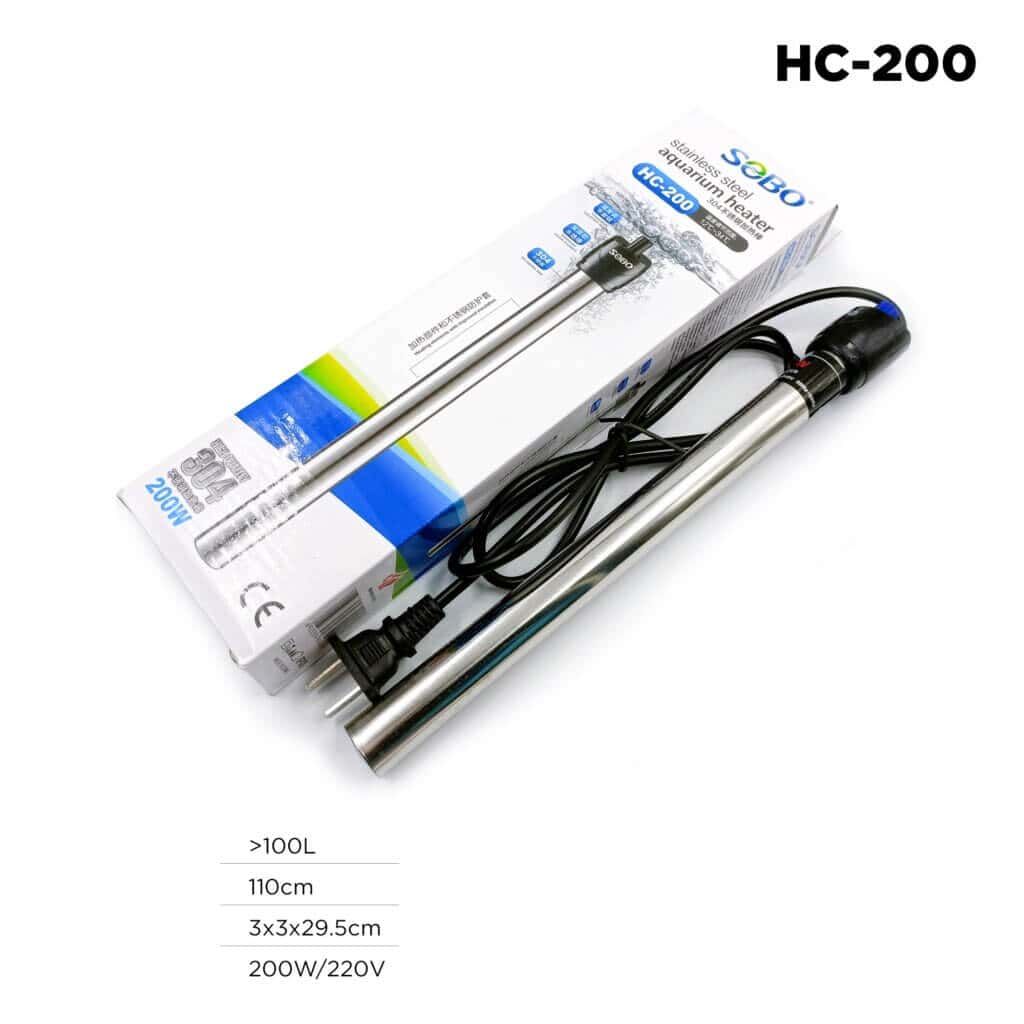
Discus tank temperature needs to sit between 28 and 30°C, noticeably warmer than the 24 to 27°C most tropical community fish are happy with. This single degree range does more to separate discus keeping from general fishkeeping than almost anything else on this list.
Why Discus Need a Heater Even in Qatar’s Heat
Here’s a mistake we see often. New discus owners in Doha assume the outdoor heat means they can skip a heater, or run a weaker one. Room temperature, even in a warm Doha home with air conditioning cycling on and off, is not the same as a stable 28 to 30°C water temperature.
Air conditioning actually works against you here, pulling ambient room temperature down below what discus need. A properly rated aquarium heater with a reliable thermostat is not optional for this species, regardless of the weather outside.
What is genuinely easier in Qatar is the opposite problem some cooler-climate keepers face, you’re rarely fighting to heat a tank against freezing winters. Your heater just needs to maintain a target, not overcome extreme cold, which makes the equipment side more manageable here than in many countries.
Setting Up the Right Tank for Discus
Discus need room. A minimum tank size of 50 gallons is the standard recommendation for even a small group, and that’s a starting point, not a ceiling. Anyone planning a discus fish Qatar setup should budget for tank size before anything else on this list.
Bigger tanks actually make discus keeping easier, not harder. More water volume means parameter swings happen slower, giving you more reaction time if something drifts off target. Tight, small tanks amplify every mistake.
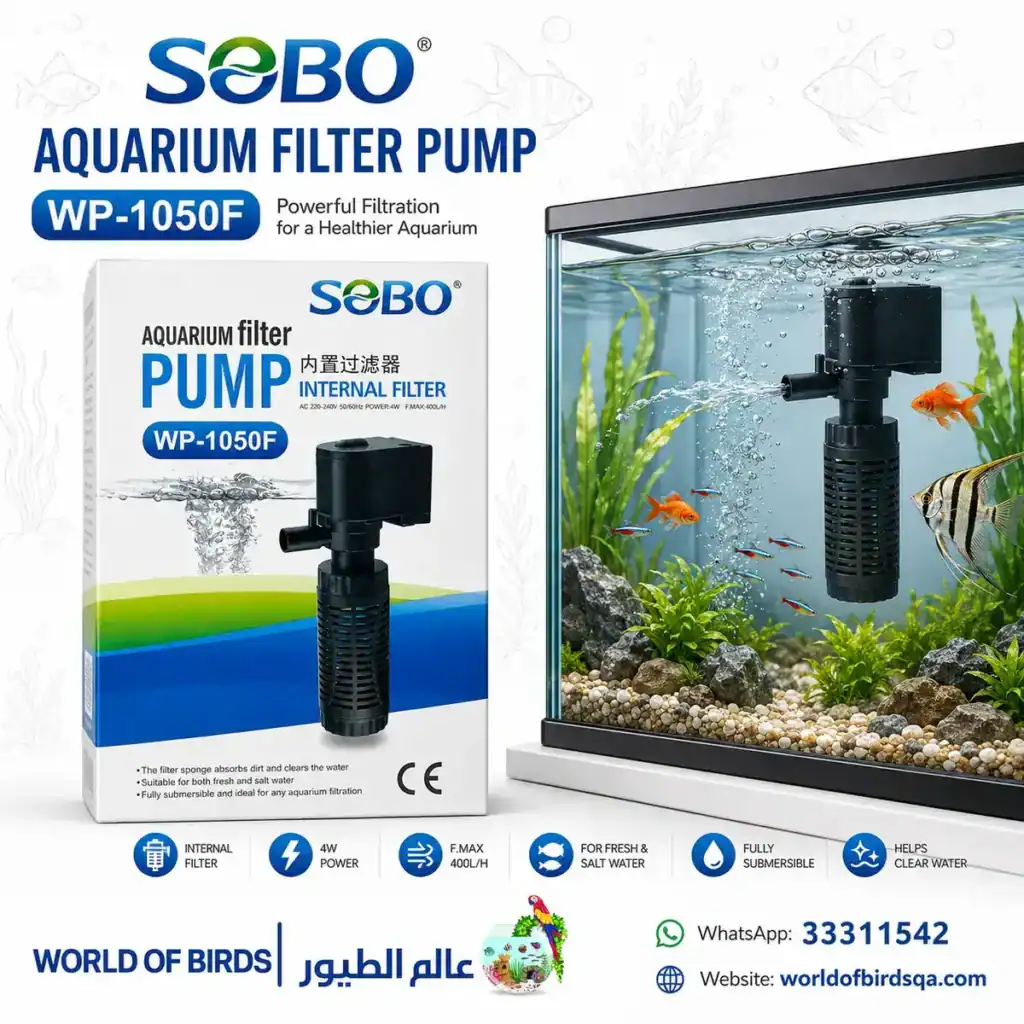
Filtration matters just as much as size. Discus produce meaningful waste for their size, and their low tolerance for ammonia means your biological filtration needs to be genuinely capable, not just adequate. A quality canister or high-capacity filter from our aquarium filters range gives the stability a discus tank depends on. A reliable aquarium heater is equally essential for holding that stable 28 to 30°C target, though for a full 50-gallon-plus discus tank, you’ll want to check wattage sizing against your actual tank volume rather than relying on a single mid-range heater alone.
Many experienced keepers set up discus-only or discus-focused tanks rather than busy community setups. Fewer competing species means calmer fish, cleaner feeding, and an easier read on whether something’s wrong.
Discus Fish Feeding – What and How Often
Discus fish feeding is more demanding than tossing in flakes once a day. In the wild, discus eat a mix of plant material, detritus, worms, and small crustaceans, an omnivorous diet leaning toward protein.
A good discus diet includes high-quality flakes or pellets formulated for cichlids, supplemented with frozen or live foods like bloodworms and brine shrimp. Frozen foods in particular help bring out colour and condition, especially useful for fish you’re hoping will show their full potential.
Feed smaller amounts two to three times a day rather than one large feeding. Discus graze steadily in the wild, and frequent small meals match that pattern better than a single feed does.
Overfeeding is the quiet danger here, exactly like it is across freshwater tanks generally. Uneaten food breaks down into ammonia fast, and given how sensitive discus already are to water quality, a feeding mistake hits harder here than in a typical community tank. Our guide on fish food in Qatar covers portioning principles that apply just as much to discus as any other species.
Discus Tank Mates – Who Gets Along with the King
Discus tank mates need to check three boxes: peaceful temperament, tolerance for warm water, and comfort in the soft, slightly acidic conditions discus require. That third point rules out a lot of otherwise-compatible community fish, and it’s a big reason discus fish Qatar owners tend to keep stocking lists short and deliberate.
Good options include cardinal tetras, rummynose tetras, and corydoras catfish. All three tolerate the warmer temperature and softer water discus need, and none of them compete aggressively for food or space.
Avoid fin-nippers entirely. Species like tiger barbs or some larger, boisterous barbs will harass a discus’s flowing fins, causing stress that compounds any existing water quality issues. Also skip aggressive cichlids, since discus are peaceful for a cichlid and get outcompeted or bullied by more territorial relatives.
Many serious keepers skip tank mates altogether and run a species-only discus tank. It’s not required, but it removes one more variable from an already parameter-sensitive setup.
Buying Discus Fish in Doha – What to Look For
Buying discus isn’t like buying guppies. The stakes are higher, the price point is higher, and a poor choice at purchase time is much harder to recover from given how sensitive this species is.
Look for discus with vivid, even colouring and no visible clamped fins, the fins should sit open and relaxed, not pinned tight to the body. Healthy discus swim with purpose and show active interest in food. Lethargy, hovering near the surface, or hiding constantly are all warning signs.
This is exactly why we recommend selecting your discus in person rather than ordering blind. Colours, patterns, and individual condition vary between fish even within the same batch, and seeing them feed and move before you buy tells you more than any product photo can.
At World of Birds, we stock Discus Fish – 8–9 cm Assorted, a healthy, subadult size that adapts well to established tanks. If you’re searching for discus fish Qatar options worth trusting, this size range gives you fish that are stable, actively feeding, and easier to acclimate than younger juveniles.
The fastest way to check what’s currently available before making the trip is to message us on WhatsApp at 33311542, our team will confirm live stock and answer any last questions before you come in. You can also browse our Live Shipment collection to see what’s currently listed.
Frequently Asked Questions
Question: What pH do discus fish need?
Discus need soft, acidic water with a pH between 6.0 and 7.0. Test regularly, since Doha’s tap water tends to run harder and closer to neutral than discus prefer.
Question: What temperature should a discus tank be?
Discus tanks need a stable 28 to 30°C. A properly rated heater is essential year-round, since room temperature alone, even in Qatar’s climate, doesn’t reliably hit this range.
Question: Are discus fish good for beginners?
Not usually as a first fish. Their narrow tolerance for water quality swings makes them better suited to keepers who’ve already built confidence with a hardier community tank.
What fish can live with discus?
Cardinal tetras, rummynose tetras, and corydoras catfish are common safe choices. Avoid fin-nippers and aggressive cichlids, both of which stress discus and worsen water quality issues.
How often should you feed discus fish?
Feed small amounts two to three times a day, mixing quality flakes or pellets with frozen foods like bloodworms. Avoid overfeeding, since uneaten food breaks down into ammonia quickly.
Final Thoughts
Discus aren’t a fish you fall into by accident. They’re a fish you work toward, and the payoff is a tank centrepiece that genuinely earns the title king of the aquarium. For anyone committed to discus fish Qatar keeping long-term, the effort pays off in a way few other species match.
Get the water parameters right, keep the temperature stable, and feed with intention, and discus become far more manageable than their reputation suggests. Skip any one of those, and the same sensitivity that makes them beautiful makes them unforgiving.
If you’re ready to bring discus into your own tank, browse our Discus Fish – 8–9 cm Assorted or find us on Google and visit our Souq Al Ali store to select your discus in person. Our team can talk you through water prep and tank readiness before you take them home.
